

Operation Process and Working Principle of Soapstone Material Pneumatic Conveying System
HeadPowder, a leading engineering company based in Shandong, China, specializes in the design, manufacturing, and installation of advanced pneumatic conveying systems for various industrial applications. This article provides a detailed overview of the operation process and working principle of a soapstone material pneumatic conveying system, highlighting the key components, operational steps, and technical aspects that ensure efficient and reliable material handling.
Introduction to Pneumatic Conveying Systems for Soapstone Material
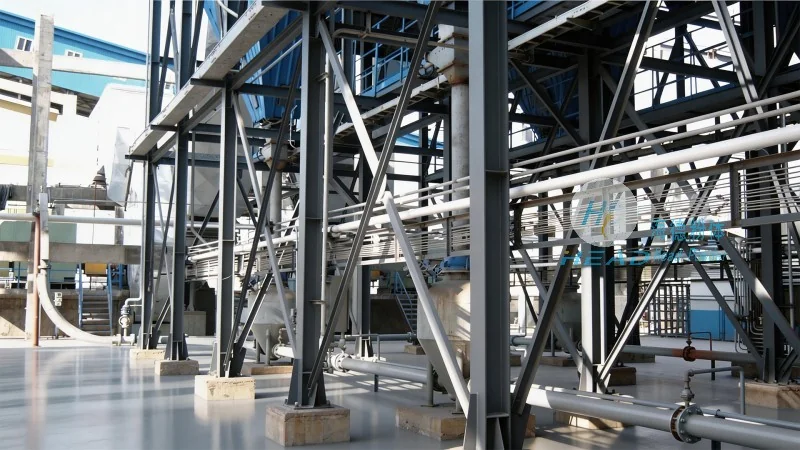
Pneumatic conveying systems are widely used in industries dealing with bulk materials, including minerals, powders, and granules. For soapstone material, which is often processed as a fine powder or granular substance, these systems offer a flexible and efficient method for transporting the material from one location to another without the need for mechanical components like belts or buckets. The system combines the use of air pressure or vacuum to move the material through a pipeline network, making it suitable for applications where traditional conveyor systems may be impractical or inefficient.
Key Components of the Pneumatic Conveying System
The soapstone material pneumatic conveying system consists of several critical components that work in tandem to ensure smooth operation. These components include the material feed hopper, the air supply unit (either a blower or a vacuum pump), the conveying pipeline, the separation and collection equipment, and the control system. Each component plays a vital role in the overall functionality of the system.
Material Feed Hopper and Feeder
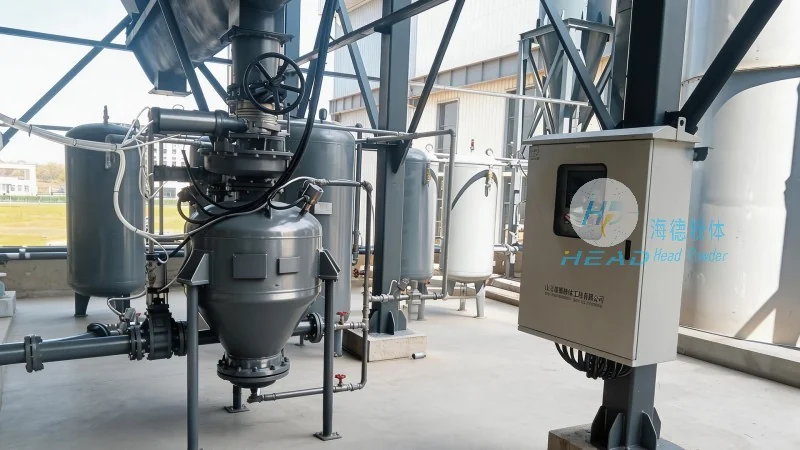
The material feed hopper is the initial component where the soapstone material is stored before it is fed into the conveying system. It is designed to hold a sufficient quantity of material to maintain a consistent flow rate. The feeder, typically a rotary valve or a screw feeder, regulates the amount of material released into the pipeline. This ensures that the material is introduced at a controlled rate, preventing overloading or underloading of the system, which could lead to inefficiencies or equipment damage.
Air Supply Unit: Blower or Vacuum Pump
The air supply unit is responsible for generating the necessary airflow to move the soapstone material through the pipeline. There are two primary types of air supply units: blowers and vacuum pumps. A blower operates by forcing air into the system, creating positive pressure that pushes the material forward. A vacuum pump, on the other hand, creates a negative pressure that pulls the material into the pipeline. The choice between a blower and a vacuum pump depends on the specific application requirements, such as the distance to be covered, the material characteristics, and the desired flow rate.
Conveying Pipeline and Material Transport
The conveying pipeline is the main channel through which the soapstone material is transported. It is typically made of materials like stainless steel, plastic, or metal, depending on the material's corrosiveness and the operating conditions. The pipeline is designed with appropriate bends and elbows to accommodate changes in direction without causing excessive pressure drops or material degradation. The air and material mixture travels through the pipeline at a controlled velocity, ensuring that the material is carried efficiently without settling or clogging.
Separation and Collection Equipment
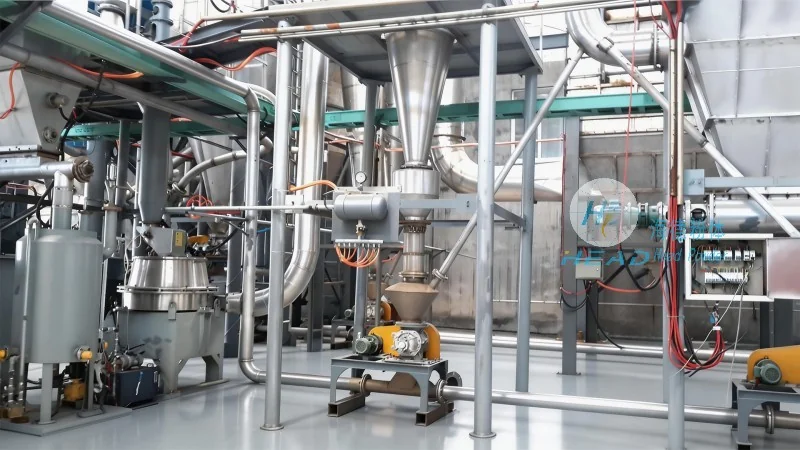
At the end of the conveying pipeline, the soapstone material needs to be separated from the air stream and collected. This is achieved using a separator, which can be a cyclone separator or a bag filter. The separator uses centrifugal force to separate the solid material from the air, allowing the air to be recirculated or vented while the material is collected in a storage bin or hopper. The design of the separator is crucial to ensure high efficiency in material recovery and to minimize air pollution.
Control System and Operational Monitoring
The control system is responsible for monitoring and regulating the operation of the pneumatic conveying system. It includes sensors and controllers that track parameters such as pressure, flow rate, and material level. These sensors provide real-time data to the control system, which adjusts the air supply or feeder speed as needed to maintain optimal operating conditions. The control system also includes safety features to prevent overpressure or vacuum conditions that could damage the equipment or pose a safety risk.
Operation Process: Step-by-Step Overview
The operation of the soapstone material pneumatic conveying system follows a systematic process that ensures consistent and reliable material transport. The steps involved are as follows:
Step 1: Material Loading and Preparation
The soapstone material is loaded into the feed hopper from a storage silo or container. The hopper is then filled to a level that allows the feeder to operate efficiently. The material is prepared by ensuring it is free from large clumps or debris that could cause blockages in the system.
Step 2: Air Supply Activation
The air supply unit is activated, either by starting the blower or the vacuum pump, depending on the system configuration. The air flow is adjusted to the desired pressure or vacuum level to initiate the conveying process.
Step 3: Material Feeding and Conveying
The feeder starts to release the soapstone material into the pipeline at a controlled rate. The material is entrained by the air stream and transported through the pipeline to the destination point. The system monitors the flow rate and pressure to ensure that the material is conveyed at the optimal velocity.
Step 4: Material Separation and Collection
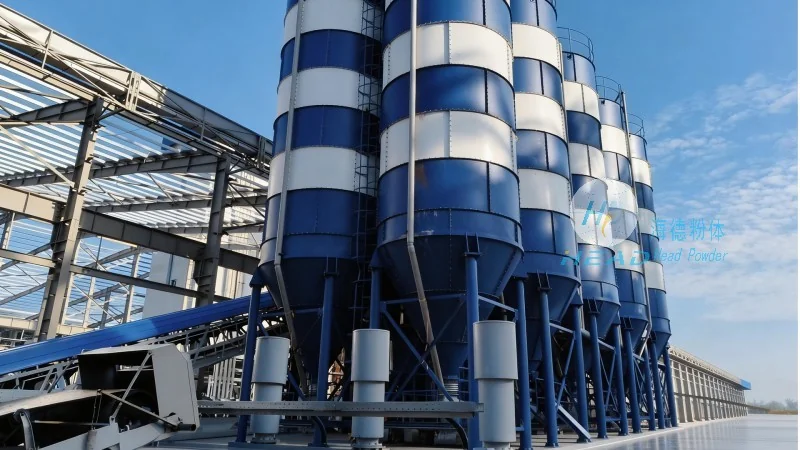
At the receiving end, the separator separates the soapstone material from the air. The material is collected in a storage bin or hopper, while the air is either recirculated back to the system or vented to the atmosphere. The collected material is then ready for further processing or use.
Step 5: System Shutdown and Maintenance
When the material transport is complete, the system is shut down by stopping the air supply and feeder. The system is then inspected for any signs of wear or damage, and routine maintenance tasks are performed to ensure that it remains in good working condition.
Working Principle: How the System Transports Soapstone Material
The working principle of the pneumatic conveying system for soapstone material is based on the principle of fluidization and suspension. The air stream creates a fluidized bed of the material in the pipeline, where the particles are suspended and carried forward by the air flow. The key to efficient transport is maintaining the material in a suspended state, which requires a sufficient air velocity to overcome the gravitational force acting on the particles. The system's design ensures that the air velocity is maintained at a level that prevents material settling and clogging.
Advantages of Using Pneumatic Conveying Systems for Soapstone Material
There are several advantages to using pneumatic conveying systems for soapstone material handling. These include:
1. Flexibility in Layout
The system can be configured to follow a flexible layout, allowing the material to be transported over long distances or around obstacles. This is particularly useful in industrial settings where space is limited or the layout is complex.
2. Reduced Maintenance
Compared to traditional mechanical conveyor systems, pneumatic conveying systems have fewer moving parts, which reduces the risk of wear and tear and lowers maintenance requirements.
3. Improved Material Quality
The system minimizes material degradation and contamination, as the material is not in direct contact with mechanical components. This is important for soapstone material, which may be sensitive to abrasion or contamination.
4. Energy Efficiency
Modern pneumatic conveying systems are designed to be energy-efficient, with optimized air flow and pressure control that reduces energy consumption while maintaining high transport efficiency.
5. Safety and Hygiene
The system operates in a closed environment, which helps to prevent dust emissions and maintain a clean and safe working environment. This is particularly important for soapstone material, which may generate dust during processing.
Conclusion
The operation process and working principle of the soapstone material pneumatic conveying system, as described above, highlight the advanced engineering and design that goes into creating efficient material handling solutions. HeadPowder, with its expertise in this field, provides high-quality systems that meet the specific needs of industrial applications, ensuring reliable and cost-effective material transport for soapstone material. By understanding the key components, operational steps, and technical principles, users can appreciate the benefits of using pneumatic conveying systems for their soapstone material handling requirements.