

Operation Process and Working Principle of Small Bean Material Pneumatic Conveying System
Shandong HeadPowder Engineering Co., Ltd., commonly known as HeadPowder, specializes in the design, manufacturing, and installation of advanced pneumatic conveying systems tailored for various industrial applications. The company, headquartered in Shandong, China, leverages decades of expertise to deliver efficient and reliable solutions for transporting small bean materials, such as soybeans, mung beans, or similar bulk commodities. This article delves into the operational process and underlying principles of a typical small bean material pneumatic conveying system, highlighting its key components, working mechanisms, and practical applications.
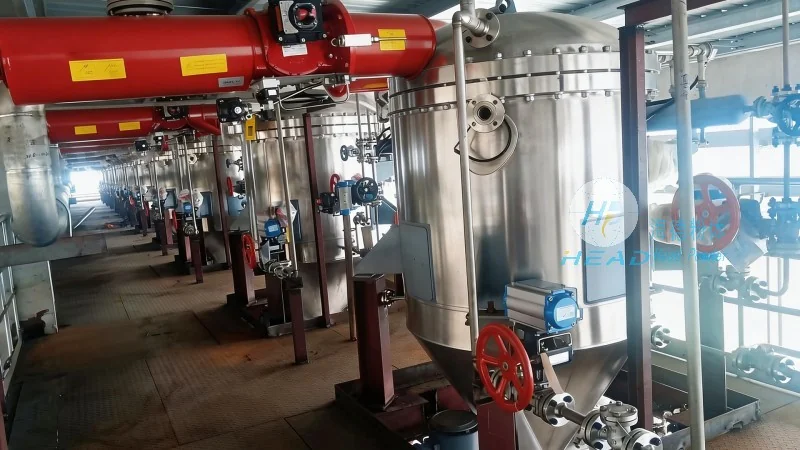
Key Components of the Pneumatic Conveying System
The pneumatic conveying system for small bean materials typically consists of several core components that work in tandem to ensure smooth material transport. These components include a hopper for material storage, a rotary valve or feeder to control the flow rate, a conveying pipeline network, a pressure vessel or receiver to collect the conveyed material, and a blower or air compressor to generate the necessary airflow. Each component plays a critical role in maintaining the system's efficiency and preventing material degradation or blockages. The hopper is designed to hold the small bean material, providing a consistent feed to the feeder. The rotary valve or feeder regulates the material discharge rate, ensuring a steady flow into the pipeline. The conveying pipeline, often made of stainless steel or other corrosion-resistant materials, transports the material through the system. The pressure vessel or receiver collects the material at the end of the pipeline, allowing for easy discharge. The blower or air compressor supplies the high-pressure air needed to move the material through the system, with the air pressure and flow rate being carefully controlled to match the material's characteristics and the system's requirements.
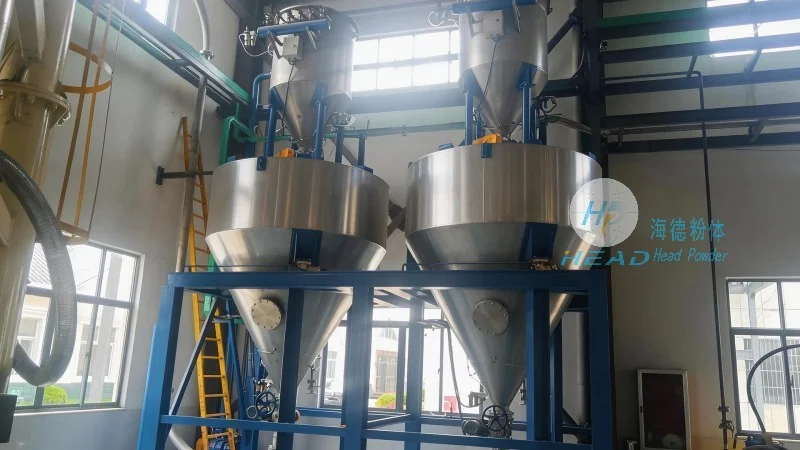
Working Principle of the Pneumatic Conveying System
The working principle of a small bean material pneumatic conveying system is based on the use of air as the conveying medium. The system operates by creating a pressure differential between the inlet and outlet of the conveying pipeline. The blower or air compressor generates a high-pressure airflow, which is introduced into the pipeline at the inlet. As the small bean material is fed into the pipeline from the hopper, it is entrained by the airflow and carried along the pipeline to the receiver. The air and material mixture travels through the pipeline, with the air pressure maintaining the material in suspension and preventing it from settling or clogging the pipeline. At the receiver, the material is separated from the air through a cyclone or other separation device. The separated material is collected in the receiver, while the air is either recirculated back to the blower or discharged to the atmosphere, depending on the system design. The key to the system's efficiency lies in the balance between the air pressure, flow rate, and material feed rate. Properly adjusting these parameters ensures that the material is conveyed smoothly without excessive pressure loss or material degradation. The system's design also considers factors such as material density, particle size, and moisture content, as these characteristics can affect the conveying performance and require adjustments to the air flow and pressure.
Operation Process of the Pneumatic Conveying System
The operation process of a small bean material pneumatic conveying system involves several sequential steps that ensure the system runs efficiently and safely. The process begins with the loading of the small bean material into the hopper. The material is then fed into the conveying pipeline through the rotary valve or feeder, which controls the flow rate to match the system's capacity. The blower or air compressor is started, generating the high-pressure airflow that entrains the material. As the material is conveyed through the pipeline, it travels to the receiver, where it is collected. The system may include additional components such as a filter or separator to remove any air contaminants or material fines before the air is recirculated. The operation process is typically automated, with sensors and controls monitoring the system's performance and adjusting parameters as needed. For example, if the material feed rate increases, the system may automatically adjust the air flow rate to maintain the pressure differential and prevent blockages. Similarly, if the air pressure drops, the system may increase the blower speed to maintain the required airflow. The operation process is designed to be continuous, allowing for 24/7 operation in industrial settings, with minimal downtime for maintenance or material changes. The system's controls also include safety features such as pressure relief valves and emergency shut-off switches to prevent over-pressurization or other hazards.
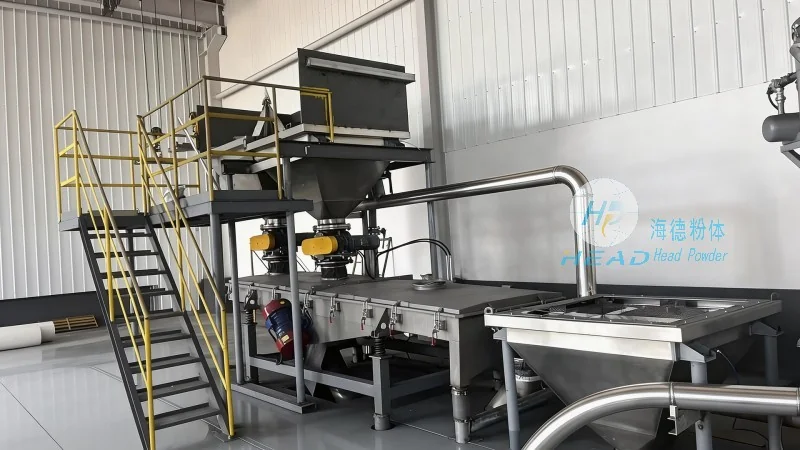
Advantages of Using Pneumatic Conveying for Small Bean Materials
There are several advantages to using a pneumatic conveying system for small bean materials compared to traditional methods such as belt conveyors or bucket elevators. One of the primary advantages is the ability to transport the material in a closed system, which prevents contamination from dust, moisture, or other environmental factors. This is particularly important for small bean materials, which are often used in food processing or pharmaceutical applications where hygiene and purity are critical. The closed system also reduces the risk of material spillage or loss, improving overall material handling efficiency. Another advantage is the flexibility of the system, which can be easily reconfigured to accommodate changes in material flow rates or pipeline layout. The system can handle a wide range of material characteristics, including different particle sizes, densities, and moisture contents, without requiring significant modifications. Additionally, pneumatic conveying systems are generally more energy-efficient than other methods, as the air flow can be optimized to minimize energy consumption while maintaining the required conveying capacity. The system also reduces labor costs by automating the material transport process, allowing workers to focus on other tasks. Finally, the system's compact design and low maintenance requirements make it suitable for installation in limited spaces and reduce the overall operational costs.