

Operation Process and Working Principle of High-Alumina Fly Ash Material Pneumatic Conveying System
HeadPowder, a leading engineering company based in Shandong, China, specializes in the design and implementation of advanced pneumatic conveying systems for high-alumina fly ash. This article provides a detailed exploration of the operation process and working principle of such systems, highlighting the technical aspects and practical applications that make them essential in industrial settings.
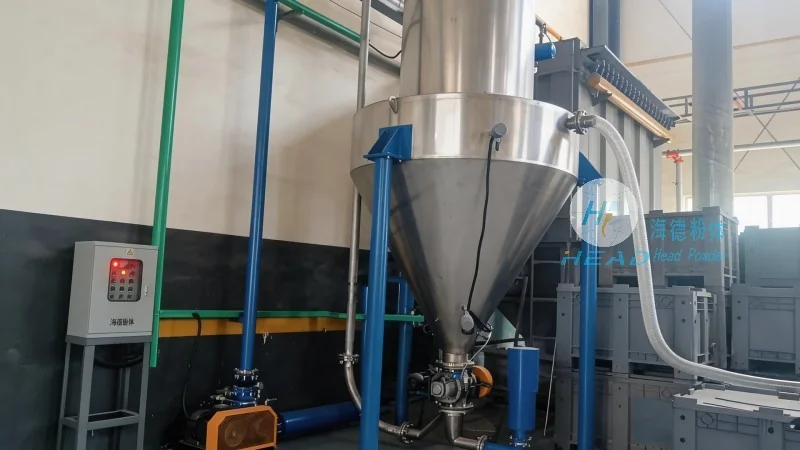
About HeadPowder: Leading Pneumatic Conveying Solutions Provider
Shandong HeadPowder Engineering Co., Ltd., commonly known as HeadPowder, is a reputable engineering firm headquartered in Shandong, China. With a strong focus on innovation and quality, the company has established itself as a key player in the field of material handling solutions. HeadPowder's expertise lies in the development of efficient and reliable pneumatic conveying systems, particularly for handling high-alumina fly ash—a byproduct commonly found in power plants. The company's commitment to technological advancement ensures that their systems meet the highest standards of performance, safety, and environmental compliance.
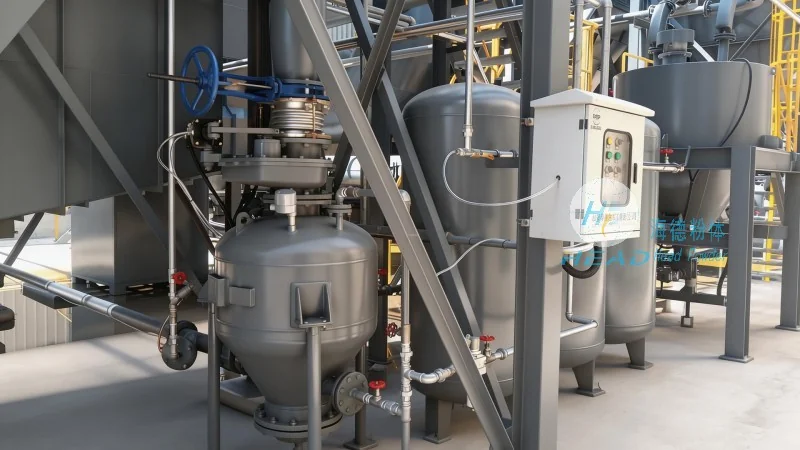
Overview of High-Alumina Fly Ash Pneumatic Conveying System
High-alumina fly ash, a fine particulate material resulting from the combustion of coal in thermal power plants, poses unique challenges in material handling due to its abrasive nature and potential for dust generation. Traditional methods like belt conveyors or bucket elevators may not be suitable for such applications, as they can lead to equipment wear, maintenance issues, and environmental pollution. Pneumatic conveying systems offer a superior alternative by transporting the material using air pressure, eliminating the need for mechanical contact and reducing operational risks. The system typically consists of several key components, including a material hopper, feeder, air compressor, conveying pipeline, and discharge unit, all working in tandem to ensure smooth and continuous material transport.
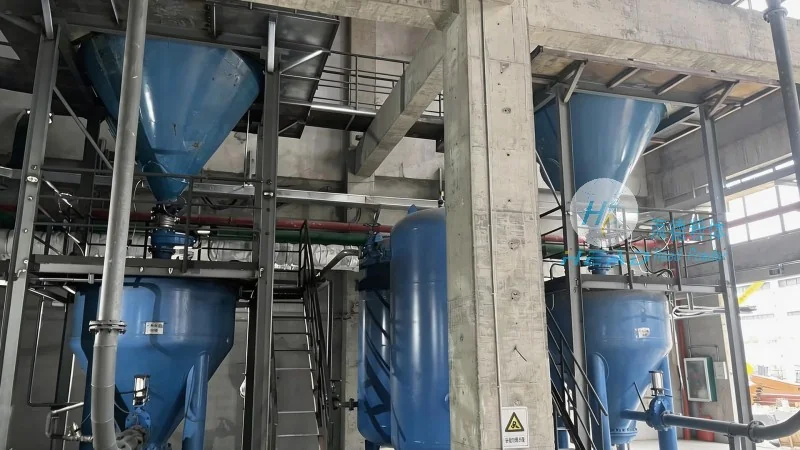
Working Principle of the System
The core working principle of a high-alumina fly ash pneumatic conveying system is based on the movement of material particles suspended in a stream of air. There are two primary types of pneumatic conveying systems: positive pressure (or pressure) systems and negative pressure (or vacuum) systems. In a positive pressure system, air is forced through the conveying pipeline at a high velocity, carrying the fly ash particles along with it. The air pressure is maintained at a level slightly above atmospheric pressure, ensuring that the material is continuously propelled through the system. Conversely, a negative pressure system uses a vacuum to draw the material into the pipeline, with the air flow directed away from the material to prevent clogging and ensure efficient transport. For high-alumina fly ash, positive pressure systems are often preferred due to their ability to handle abrasive materials and maintain consistent flow rates.
Operation Process of the System
The operation process of a high-alumina fly ash pneumatic conveying system involves several sequential steps, each critical to the overall efficiency and reliability of the system. The process begins with the storage of fly ash in a hopper, where the material is collected and prepared for transport. A feeder, such as a rotary valve or a screw feeder, then regulates the flow of fly ash from the hopper into the conveying pipeline. Simultaneously, an air compressor generates the necessary air pressure, which is introduced into the pipeline through a venturi or a pressure regulator. As the air flows through the pipeline, it picks up the fly ash particles, forming a slurry-like mixture that is propelled towards the discharge point. The conveying pipeline is typically made of durable materials like stainless steel or high-density polyethylene to withstand the abrasive nature of the fly ash and resist corrosion. At the discharge end, a separator or a cyclone unit is used to separate the air from the material, allowing the fly ash to be deposited into a storage bin or a processing unit. The system is equipped with sensors and control panels that monitor parameters such as pressure, flow rate, and temperature, ensuring that any deviations are immediately detected and corrected. This closed-loop control system enhances the stability of the operation and minimizes downtime.

Advantages and Applications
The high-alumina fly ash pneumatic conveying system developed by HeadPowder offers numerous advantages over traditional material handling methods. Firstly, it provides a dust-free and enclosed transport process, significantly reducing the risk of environmental contamination and improving workplace safety. Secondly, the system minimizes equipment wear and tear, as there is no mechanical contact between the material and the conveying components, leading to lower maintenance costs and longer equipment lifespan. Thirdly, the system allows for flexible and scalable solutions, with the ability to adjust the conveying capacity based on the production requirements. This adaptability makes it suitable for various industrial applications, including power plants, cement factories, and chemical processing facilities. The system's efficiency in handling high-alumina fly ash also contributes to the overall sustainability of industrial operations, as it enables the reuse of fly ash in concrete production or other applications, reducing waste and promoting circular economy principles.