

Operation Process and Working Principle of Potassium Chloride Material Pneumatic Conveying System
For industrial applications involving the handling of potassium chloride, an efficient and reliable material conveying system is essential. The pneumatic conveying system designed by Shandong HeadPowder Engineering Co., Ltd. offers a robust solution for transporting potassium chloride, ensuring smooth operation and minimal downtime. This article explores the operation process and working principle of the system, highlighting its key components and the steps involved in the material transfer process.
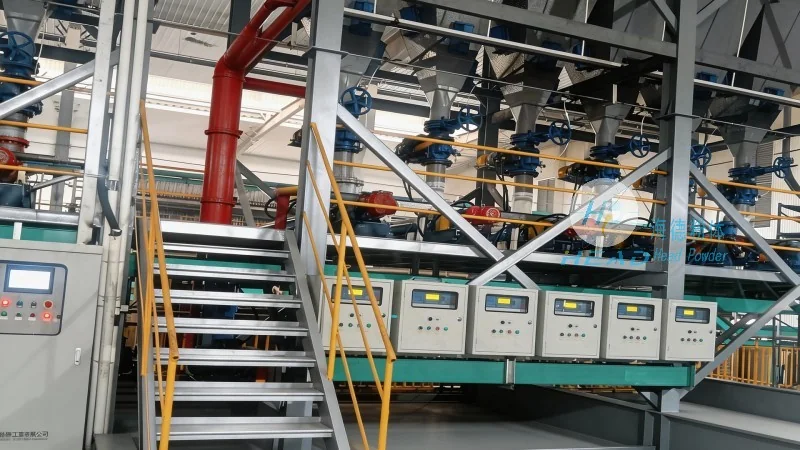
Overview of the Pneumatic Conveying System
The pneumatic conveying system for potassium chloride material is engineered to handle bulk materials with precision and efficiency. It consists of several critical components, including a material hopper, a rotary valve, a conveyor pipe, a pressure vessel, and a dust collector. Each component plays a vital role in the overall operation, working in tandem to ensure the safe and effective transfer of potassium chloride from the storage area to the processing or packaging units.
Key Components and Their Functions
1. Material Hopper: The hopper is the initial storage unit where bulk potassium chloride is loaded. It is designed with a sloped bottom to facilitate the flow of material into the system. The hopper is equipped with a level indicator to monitor the material volume, ensuring that the system operates at optimal capacity.
2. Rotary Valve: Positioned at the bottom of the hopper, the rotary valve acts as a gate control mechanism. It regulates the flow of potassium chloride into the conveyor pipe, preventing backflow and maintaining a consistent feed rate. The valve is typically made of durable materials to withstand the abrasive nature of the material.
3. Conveyor Pipe: The main conduit for transporting potassium chloride, the conveyor pipe is constructed from corrosion-resistant materials such as stainless steel or high-density polyethylene. It is designed with a smooth interior to minimize friction and material buildup, ensuring efficient air and material flow. The pipe is connected to a series of bends and straight sections, which are strategically placed to guide the material along the desired path.
4. Pressure Vessel: The pressure vessel, also known as a receiver or surge tank, is used to store the conveyed material under pressure. It helps to stabilize the flow rate and prevent fluctuations in the system. The vessel is equipped with pressure sensors and safety valves to monitor and regulate the internal pressure, ensuring safe operation.
5. Dust Collector: To maintain a clean and safe working environment, a dust collector is integrated into the system. It captures any airborne particles of potassium chloride during the conveying process, preventing dust accumulation and potential health hazards. The collector is equipped with filtration systems that efficiently separate the material from the air, allowing for safe disposal or reuse of the collected dust.
Operation Process of the Pneumatic Conveying System
The operation of the potassium chloride pneumatic conveying system follows a systematic sequence of steps, ensuring the smooth transfer of material from the hopper to the destination point. The process begins with the loading of bulk potassium chloride into the material hopper. Once the hopper is filled to the desired level, the rotary valve is activated to allow the material to flow into the conveyor pipe.
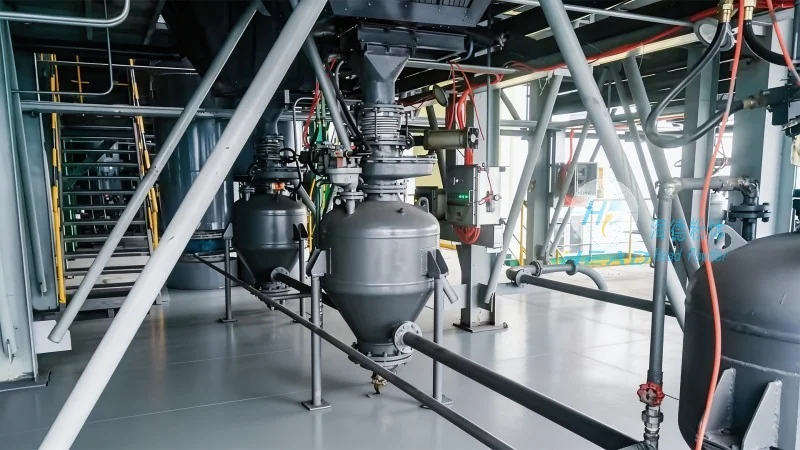
Simultaneously, a high-pressure air blower or compressor is started, generating the necessary airflow to transport the material through the pipe. The air and material mixture travels through the conveyor pipe, with the air providing the force to move the material. As the mixture reaches the pressure vessel, the material is separated from the air, and the air is directed to the dust collector for filtration.
The separated potassium chloride is then discharged from the pressure vessel into the processing or packaging equipment. The system continuously monitors the flow rate and pressure, adjusting the air supply as needed to maintain optimal performance. The rotary valve and hopper level indicator are also monitored to ensure consistent material feed and prevent overloading or underloading of the system.
Working Principle of the Pneumatic Conveying System
The working principle of the pneumatic conveying system for potassium chloride is based on the principle of fluidization and air movement. The system utilizes compressed air to create a flow of material through the conveyor pipe. The air pressure is sufficient to overcome the gravitational force and frictional resistance of the material, allowing it to be transported efficiently.
When the rotary valve opens, potassium chloride enters the conveyor pipe along with the high-pressure air. The air and material mixture forms a slurry-like flow, which is propelled through the pipe by the air pressure. The velocity of the air is carefully controlled to ensure that the material particles are suspended and transported without causing excessive wear on the pipe or other components.
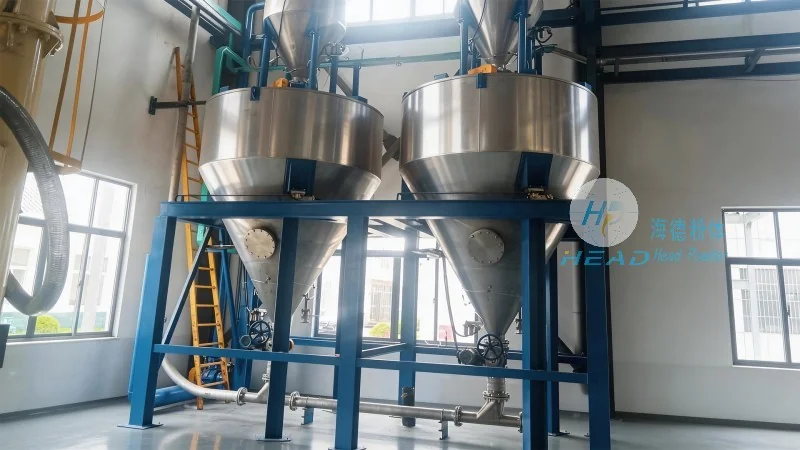
The pressure vessel acts as a buffer, maintaining a consistent pressure and flow rate. As the material enters the vessel, the air is separated and directed to the dust collector. The vessel's design allows for the storage of a sufficient amount of material to meet the demand of downstream processes, ensuring a continuous supply.
The dust collector plays a crucial role in maintaining air quality and system efficiency. It captures any fine particles of potassium chloride that may be carried by the air, preventing them from being released into the environment. The collected dust is either disposed of or recycled, depending on the specific requirements of the application.
Benefits and Advantages of the System
The pneumatic conveying system for potassium chloride offers several advantages over traditional conveying methods, such as belt conveyors or bucket elevators. These benefits include:
1. Reduced Labor Costs: The system automates the material handling process, reducing the need for manual labor and minimizing the risk of human error.
2. Improved Safety: By eliminating the need for manual handling of bulk materials, the system reduces the risk of accidents and injuries associated with material handling.
3. Enhanced Efficiency: The system operates continuously, with minimal downtime, ensuring a steady supply of potassium chloride to the processing units.
4. Lower Maintenance Costs: The system is designed with durable components that require minimal maintenance, reducing the overall operational costs.
5. Environmentally Friendly: The dust collector ensures that the system operates in an environmentally friendly manner, minimizing the impact on the surrounding environment.
Conclusion
Shandong HeadPowder Engineering Co., Ltd. has developed a reliable and efficient pneumatic conveying system for potassium chloride material. The system operates based on a well-defined process and working principle, utilizing key components to ensure the smooth and safe transfer of material. With its numerous benefits, the system is an ideal solution for industrial applications requiring bulk material handling. By adhering to the operation guidelines and maintaining the system regularly, users can ensure optimal performance and longevity of the equipment.