

Operation Process and Working Principle of Pneumatic Conveying for Ammonia Fertilizer Materials
For industries dealing with ammonia fertilizer materials, efficient material handling is crucial to maintain production efficiency and safety standards. Pneumatic conveying systems have emerged as a reliable solution, offering a seamless way to transport these materials from one location to another. This article delves into the operation process and working principle of such systems, highlighting the key components and the role of specialized engineering companies like Shandong HeadPowder Engineering Co., Ltd. in implementing these solutions.
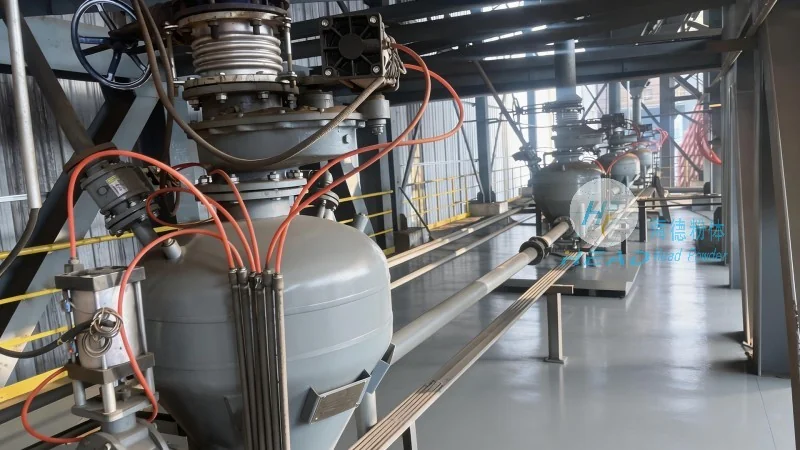
Key Components of Pneumatic Conveying Systems
Pneumatic conveying systems for ammonia fertilizer materials typically consist of several critical components that work in tandem to ensure smooth material transport. The primary components include the hopper or feeder, which holds the bulk material; the air compressor or blower that generates the necessary airflow; the conveying line, which can be either a flexible hose or a rigid pipe; and the receiver or discharge point where the material is deposited. Additionally, control valves, filters, and dust collection systems are often integrated to manage pressure, prevent contamination, and ensure environmental compliance.
The Working Principle of Pneumatic Conveying
The operation of a pneumatic conveying system for ammonia fertilizer materials is based on the principle of using air to move solid particles. The process begins when the material is fed into the hopper. The air compressor then generates a high-pressure or low-pressure airflow, depending on the system design. This airflow is directed into the conveying line, creating a flow that lifts and transports the fertilizer particles. The velocity of the air is carefully controlled to ensure that the material is conveyed without causing excessive wear or degradation. The system may use either positive pressure (where air is forced into the line) or negative pressure (where air is drawn out), with positive pressure being more common for ammonia fertilizer applications due to its ability to handle abrasive materials and maintain consistent flow rates.
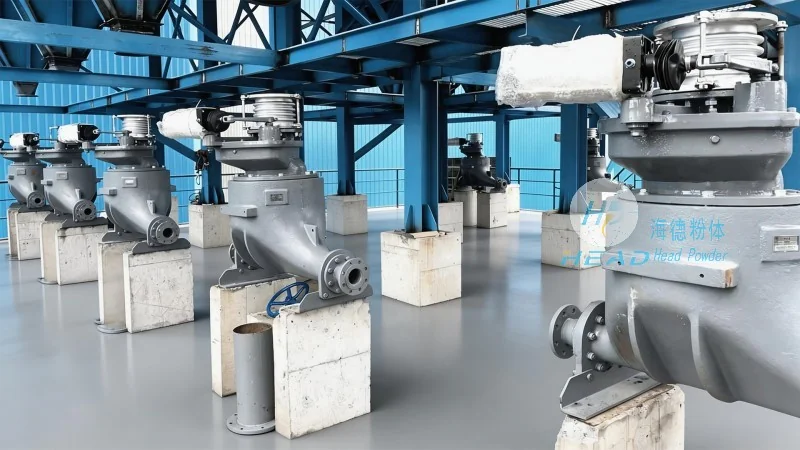
Operation Process: From Material Loading to Discharge
The operation process of a pneumatic conveying system for ammonia fertilizer materials involves several sequential steps. First, the bulk fertilizer is loaded into the hopper. The feeder then regulates the flow of material into the conveying line. Simultaneously, the air compressor starts, and the airflow is introduced into the system. As the material is drawn into the line by the air current, it is transported to the discharge point. The receiver is designed to collect the material and may include features such as a silo or storage tank. The entire process is automated, with sensors and control systems monitoring pressure, flow rates, and material levels to ensure optimal performance. This automation minimizes human intervention, reduces operational errors, and enhances overall efficiency.
Role of Shandong HeadPowder Engineering Co., Ltd. in Implementing Pneumatic Conveying Solutions
Shandong HeadPowder Engineering Co., Ltd., operating under the brand name headpowder, specializes in the design, installation, and maintenance of pneumatic conveying systems tailored for ammonia fertilizer industries. With a deep understanding of the unique challenges associated with handling ammonia-based materials, such as their corrosive nature and the need for precise control, the company employs advanced engineering techniques to develop customized solutions. Their expertise includes selecting the appropriate air compressor type, determining the optimal conveying line configuration, and integrating necessary safety and environmental controls. By leveraging years of experience in the field, headpowder ensures that their systems not only meet but exceed industry standards, providing clients with reliable and efficient material handling solutions.
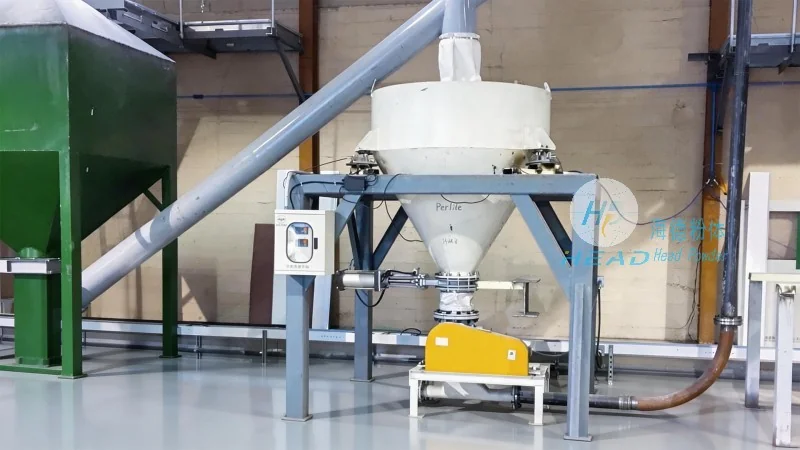
Advantages of Pneumatic Conveying for Ammonia Fertilizer Materials
Implementing pneumatic conveying systems for ammonia fertilizer materials offers several advantages over traditional methods like belt conveyors or manual handling. One of the key benefits is the ability to handle abrasive and corrosive materials without significant wear on equipment. The enclosed system also minimizes dust emissions, improving workplace safety and environmental compliance. Additionally, pneumatic conveying allows for flexible layout designs, as the conveying line can be routed around obstacles, and can handle both horizontal and vertical transport with ease. The automated nature of these systems reduces labor costs and increases production throughput, making them a cost-effective choice for fertilizer manufacturers. Furthermore, the consistent flow rates and reduced material degradation contribute to higher product quality and lower waste.
Conclusion: Ensuring Efficient and Safe Material Handling
In conclusion, pneumatic conveying systems represent a sophisticated and efficient method for transporting ammonia fertilizer materials. The operation process, which involves precise control of airflow and material feeding, coupled with the working principle of using air to move solid particles, ensures reliable and safe material handling. Companies like Shandong HeadPowder Engineering Co., Ltd. play a vital role in delivering these solutions, leveraging their expertise to design systems that meet the specific needs of fertilizer producers. By adopting pneumatic conveying, industries can enhance operational efficiency, improve safety standards, and maintain high product quality, ultimately contributing to their long-term success in the market.