

The Operation Process and Working Principle of Limestone Material Pneumatic Conveying
HeadPowder, a leading engineering firm based in Shandong, China, specializes in the design and implementation of pneumatic conveying systems for bulk materials like limestone. This article delves into the operational workflow and underlying principles of such systems, offering insights into how they efficiently transport limestone from source to destination.
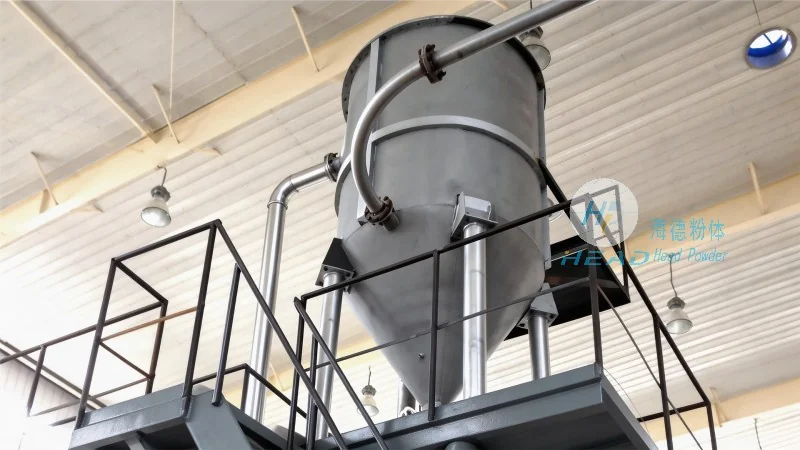
Overview of Limestone Pneumatic Conveying Systems
Limestone, a widely used industrial material in construction, manufacturing, and chemical processes, often requires reliable and efficient transportation methods. Pneumatic conveying systems provide an effective solution by utilizing air pressure to move dry bulk materials through pipelines. For limestone, which can be abrasive and have varying particle sizes, a well-designed system ensures minimal material degradation and consistent flow rates.
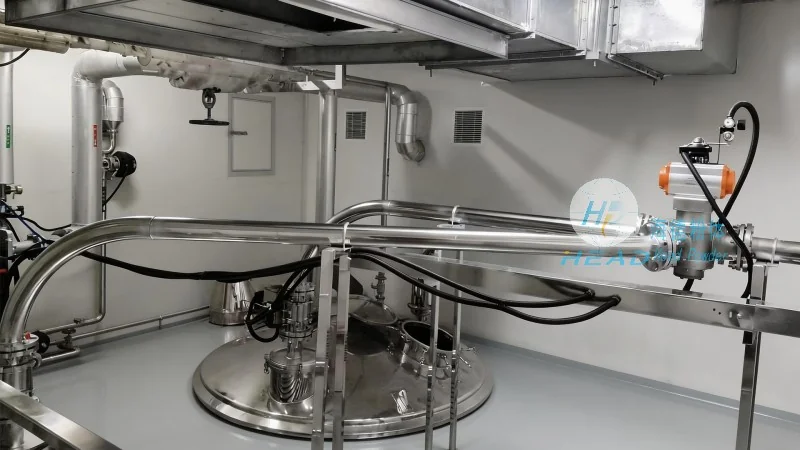
The Operational Workflow of Limestone Pneumatic Conveying
The operation of a limestone pneumatic conveying system involves several key stages, each critical to the overall efficiency and safety of the process. The workflow typically begins with the material feeding stage, where limestone is introduced into the system. This is often done using a hopper or a feeder that maintains a consistent flow of material into the conveying line. The material then moves into the conveying section, where it is carried by a high-pressure air stream. The air, usually supplied by a blower or a compressor, creates a vacuum or pressure differential that propels the limestone particles through the pipeline. The system may include intermediate vessels or silos to store and buffer the material, ensuring a steady supply to downstream processes. Finally, the limestone is discharged at the receiving end, where it is collected and prepared for further use. Throughout this process, the system monitors pressure, flow rate, and other parameters to maintain optimal performance and prevent blockages or other issues.
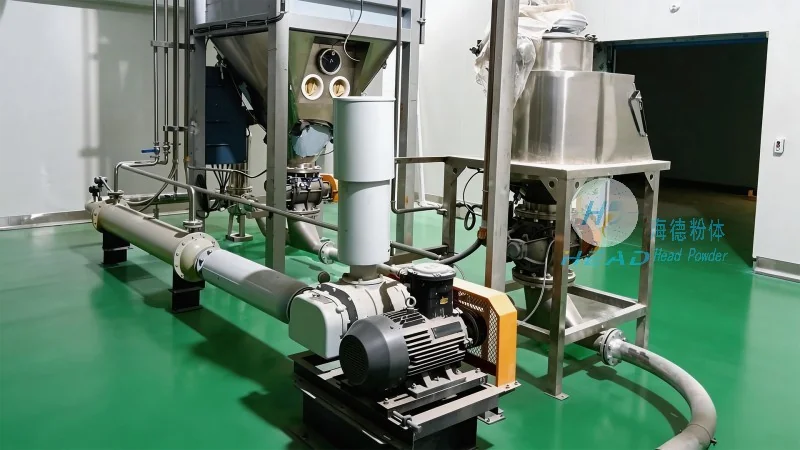
Working Principle of Pneumatic Conveying for Limestone
The core of a pneumatic conveying system lies in its air dynamics and material-air interaction. The system operates on the principle of creating a flow of air that is sufficient to lift and transport the limestone particles. There are two main types of pneumatic conveying: dilute-phase and dense-phase. Dilute-phase systems use low air velocities to transport material, while dense-phase systems use higher air velocities and lower air volumes to move material more gently, reducing particle breakage. For limestone, which can be sensitive to impact and abrasion, a dense-phase system is often preferred to minimize damage and ensure the material reaches its destination in good condition. The blower or compressor generates the necessary air pressure, which is regulated to maintain a stable flow. The pipeline design, including bends, valves, and filters, is crucial to prevent air leakage and ensure the material moves smoothly. Filters are also used to remove any fine particles from the air stream, protecting downstream equipment and maintaining air quality.
Key Components and Their Roles in Limestone Pneumatic Conveying
A pneumatic conveying system for limestone consists of several essential components, each playing a vital role in the overall operation. The feed hopper is the first component, where limestone is stored and fed into the system. It typically includes a level indicator and a discharge valve to control the flow rate. The conveying line is the main pipeline that transports the material, made from materials like stainless steel or plastic to withstand the abrasive nature of limestone. The blower or compressor provides the air pressure, with the choice depending on the system type (dilute or dense-phase). The air filter removes dust and particles from the air stream, preventing clogging and maintaining system efficiency. The receiver or silo is the final component, where the limestone is collected after being discharged from the pipeline. It may include a discharge valve and a level indicator to monitor the material level. Additionally, the system may include control valves and pressure sensors to regulate the air flow and monitor system performance. These components work together to ensure the smooth and efficient transport of limestone, minimizing downtime and maintenance costs.
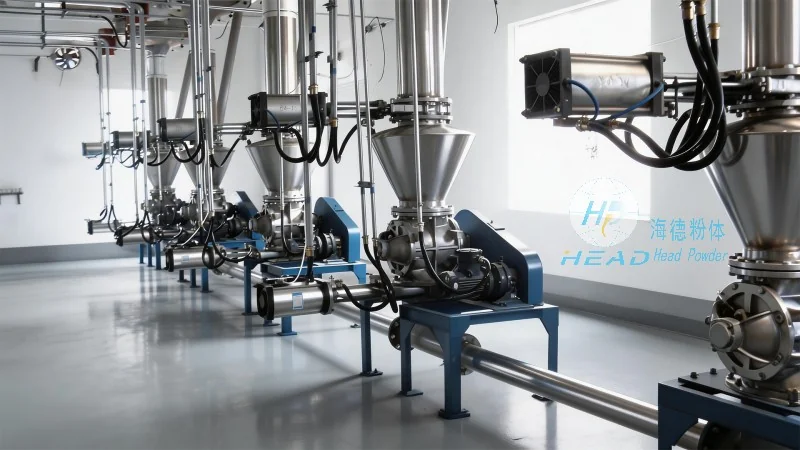
Benefits of Using Pneumatic Conveying for Limestone Transport
Implementing a pneumatic conveying system for limestone offers numerous advantages over traditional methods like belt conveyors or truck transport. One of the primary benefits is the ability to transport material over long distances without the need for multiple transfer points. This reduces the risk of material spillage and contamination, which is crucial for limestone used in food or pharmaceutical applications. Additionally, pneumatic conveying systems are more flexible, as they can be easily reconfigured to accommodate changes in production volume or layout. The system also provides better control over the material flow rate, ensuring consistent delivery to downstream processes. Another advantage is the reduced labor costs, as the system operates automatically with minimal human intervention. Furthermore, pneumatic conveying systems are more hygienic and cleaner, as they keep the material enclosed within the pipeline, preventing dust and debris from entering the environment. These benefits make pneumatic conveying an attractive option for industries that require reliable and efficient transport of limestone.