

Operation Process and Working Principle of Pneumatic Conveying for Aluminum Dross Materials
Aluminum dross, a byproduct of aluminum smelting and processing, requires efficient handling and transportation for recycling and further processing. Pneumatic conveying systems offer a reliable and effective solution for moving these materials, ensuring safety, efficiency, and minimal environmental impact. This article explores the operation process and working principle of such systems, highlighting their importance in the aluminum industry and the role of specialized engineering companies like Shandong HeadPowder Engineering Co., Ltd. (headpowder) in optimizing these processes.
Understanding Aluminum Dross and Its Handling Challenges
Aluminum dross consists of a mixture of metal and non-metallic components, including aluminum, iron, and various oxides, along with impurities like carbon and silica. The characteristics of aluminum dross, such as its high moisture content, abrasive nature, and varying particle sizes, pose unique challenges for material handling. Traditional methods like belt conveyors or bucket elevators may struggle with the abrasive properties and potential dust generation, leading to equipment wear and operational inefficiencies. Pneumatic conveying systems address these challenges by using air to transport the material, reducing mechanical contact and minimizing wear on equipment components.
The Working Principle of Pneumatic Conveying
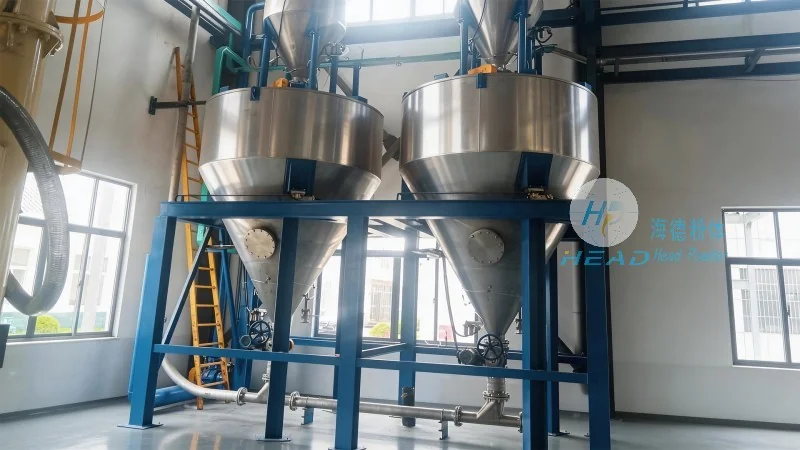
Pneumatic conveying operates on the principle of transporting solid materials in a gas stream. The system typically consists of a hopper for material storage, a blower or compressor to generate the air flow, a conveying line, and a receiver for the discharged material. In the case of aluminum dross, the material is fed into the hopper, where it is pneumatically transported through the conveying line by the high-velocity air stream. The air flow carries the particles, ensuring uniform distribution and preventing blockages. The system can be either positive pressure (where air is forced through the line) or negative pressure (where air is drawn from the line), with positive pressure being more common for aluminum dross due to its abrasive nature and the need for consistent air flow.
Operation Process of Aluminum Dross Pneumatic Conveying
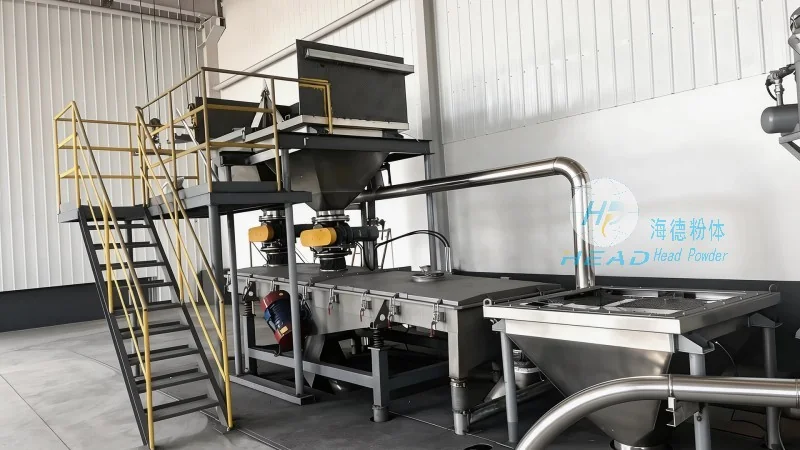
The operation process of a pneumatic conveying system for aluminum dross involves several key steps. First, the aluminum dross is loaded into the hopper, which is equipped with a feeding mechanism to control the flow rate. The blower then starts, generating the necessary air pressure to move the material. As the material is fed into the conveying line, it is carried by the air stream to the receiver, where it is deposited. The system continuously operates, with the blower maintaining the air flow and the feeding mechanism regulating the material input. Regular maintenance, such as checking air filters, blower performance, and conveying line integrity, is essential to ensure smooth operation and prevent downtime.
Role of Shandong HeadPowder Engineering Co., Ltd. in Optimizing Pneumatic Conveying
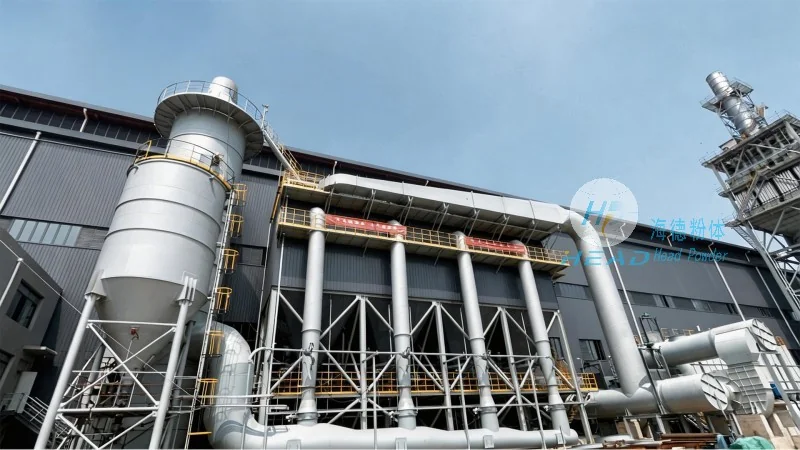
Shandong HeadPowder Engineering Co., Ltd., operating under the brand name headpowder, specializes in the design, manufacturing, and installation of pneumatic conveying systems tailored to the specific needs of the aluminum industry. With a deep understanding of aluminum dross characteristics and processing requirements, headpowder provides customized solutions that enhance efficiency, reduce operational costs, and improve safety. The company’s expertise includes material flow analysis, system design, and integration with existing facilities, ensuring that the pneumatic conveying system is optimized for the unique challenges of aluminum dross handling. By leveraging advanced engineering and years of industry experience, headpowder helps aluminum processing plants achieve reliable and cost-effective material transportation, contributing to the overall efficiency of the recycling process.
Key Benefits of Pneumatic Conveying for Aluminum Dross
Implementing pneumatic conveying systems for aluminum dross offers several significant benefits. Firstly, it reduces the risk of dust generation and associated health hazards, as the material is contained within the conveying line. Secondly, it minimizes equipment wear and maintenance costs compared to traditional mechanical conveyors, as there is less direct contact between the material and the equipment. Thirdly, the system allows for flexible material handling, enabling the transport of aluminum dross to different locations within the plant or to off-site facilities. Additionally, pneumatic conveying systems can be integrated with other processing equipment, such as crushers or classifiers, to form a complete material handling solution. These benefits make pneumatic conveying an attractive option for aluminum processing plants looking to improve their operational efficiency and sustainability.