

Operation Process and Working Principle of Lime Powder Material Pneumatic Conveying
Understanding the operation process and working principle of pneumatic conveying systems is crucial for industries dealing with bulk materials like lime powder. This article provides a detailed overview of how such systems function, focusing on the technical aspects and practical applications in material handling.
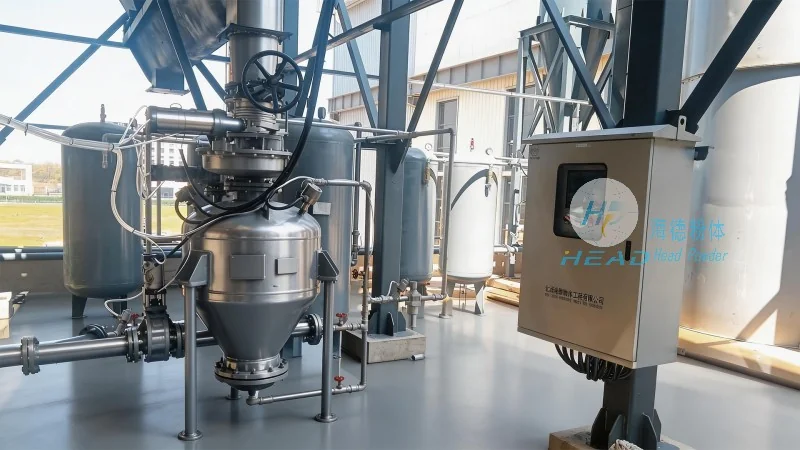
Introduction to Pneumatic Conveying for Lime Powder
Pneumatic conveying is a method used to transport dry bulk materials, including lime powder, through a pipeline using air or gas as the conveying medium. This technology offers several advantages over traditional mechanical conveying systems, such as reduced equipment wear, lower maintenance costs, and the ability to handle materials in a dust-free environment. For companies like Shandong HeadPowder Engineering Co., Ltd., based in China, mastering the nuances of pneumatic conveying is essential for optimizing material transport in industrial settings.
Key Components of a Pneumatic Conveying System
A typical pneumatic conveying system for lime powder consists of several key components that work in tandem to ensure efficient material transport. These components include the material hopper, feeder, conveying line, and receiver. The material hopper is designed to store the lime powder and provide a consistent feed to the system. The feeder, often a rotary valve or a screw feeder, regulates the flow of material into the conveying line. The conveying line, usually made of stainless steel or other corrosion-resistant materials, transports the material through the system. The receiver is where the material is deposited after being conveyed.
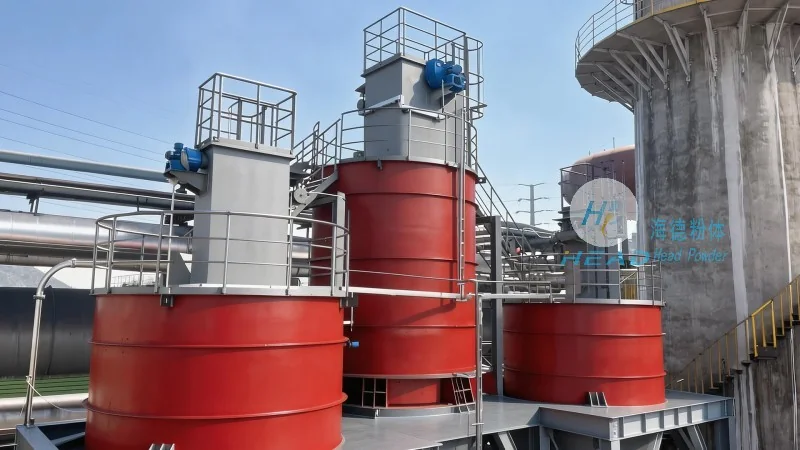
The Working Principle of Pneumatic Conveying
The core principle of pneumatic conveying involves creating a pressure differential within the conveying line. Air is introduced into the system, either by a positive displacement blower or a rotary lobe blower, which generates the necessary pressure to move the material. As air and material mix, the material is suspended and carried through the pipeline. The velocity of the air and the design of the conveying line determine the efficiency of the process. For lime powder, which is a fine, dry material, the system must be designed to handle low to medium pressure and maintain a consistent flow to prevent blockages or material degradation.
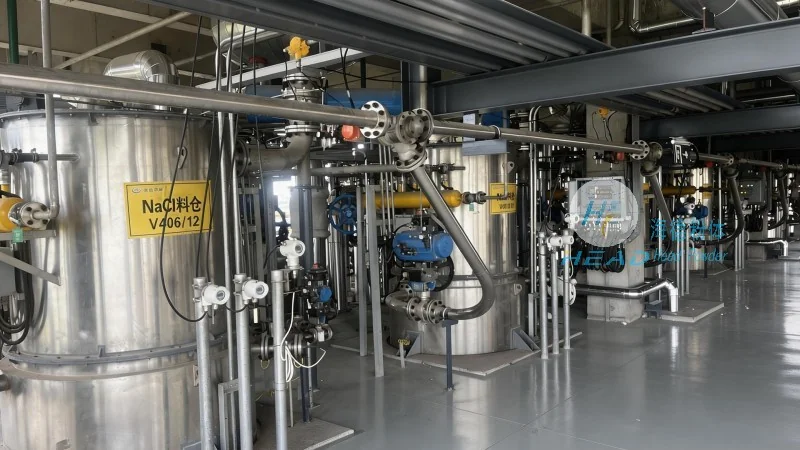
Operation Process of a Lime Powder Pneumatic Conveying System
The operation process of a pneumatic conveying system for lime powder involves several sequential steps. First, the lime powder is loaded into the material hopper. The feeder then regulates the flow of material into the conveying line, ensuring a steady supply. The blower or compressor generates the required air pressure, which is introduced into the system. As the air flows through the conveying line, it picks up the lime powder and transports it to the receiver. The receiver is typically equipped with a dust collection system to capture any fine particles that may escape during the process. The entire operation is controlled by a programmable logic controller (PLC), which monitors the system parameters and adjusts the flow rates as needed to maintain optimal performance.
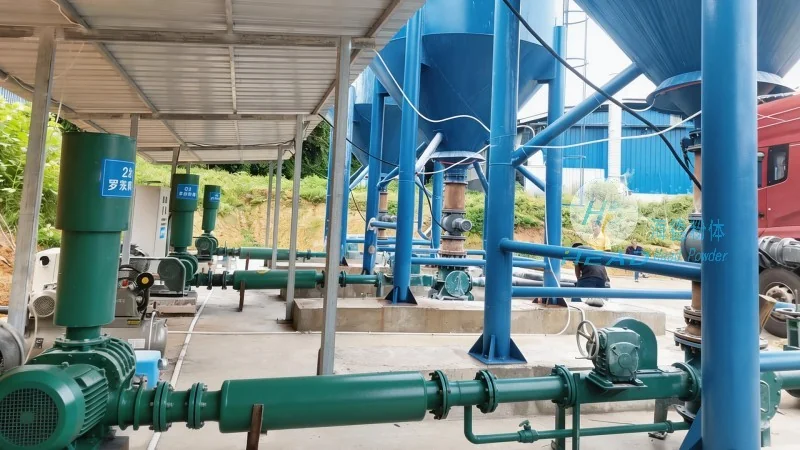
Advantages and Considerations for Lime Powder Pneumatic Conveying
Implementing a pneumatic conveying system for lime powder offers several benefits. These include reduced labor costs due to automated material handling, improved safety by minimizing manual handling of bulk materials, and enhanced product quality by preventing contamination or degradation. However, there are also considerations to keep in mind. For example, the system must be designed to handle the specific properties of lime powder, such as its fineness and moisture content. Additionally, the system requires regular maintenance to ensure consistent performance and prevent equipment failure. Companies like Shandong HeadPowder Engineering Co., Ltd. specialize in designing and manufacturing customized pneumatic conveying systems tailored to the unique needs of their clients, ensuring that the system operates efficiently and reliably.
Conclusion
In conclusion, the operation process and working principle of pneumatic conveying systems for lime powder are complex but highly effective for material handling. By understanding the key components, the working principle, and the operation process, industries can optimize their material transport systems. For businesses seeking reliable and efficient pneumatic conveying solutions, Shandong HeadPowder Engineering Co., Ltd., with its expertise and experience, offers tailored solutions that meet the specific requirements of their clients. With a focus on quality and performance, the company ensures that its systems deliver consistent results, helping businesses improve their operational efficiency and productivity.