

Operation Process and Working Principle of Silica Powder Material Pneumatic Conveying
Silica powder, a common industrial material, often requires efficient and reliable transportation methods for processing and handling. Pneumatic conveying offers a solution that integrates the material transport with air flow, providing a closed system that minimizes dust exposure and ensures product integrity. This article explores the operational process and working principles of pneumatic conveying systems specifically designed for silica powder, highlighting the technical aspects and practical applications.
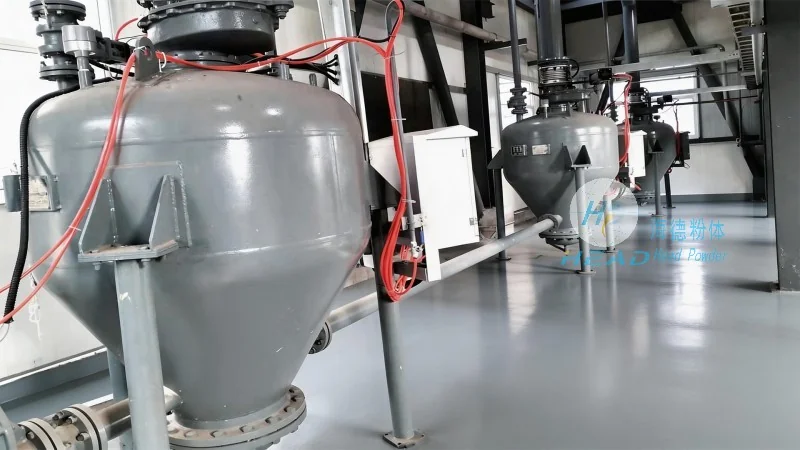
About Shandong HeadPowder Engineering Co., Ltd.
HeadPowder, a leading manufacturer in the field of material handling equipment, specializes in the design, development, and production of pneumatic conveying systems. With a strong commitment to quality and innovation, the company has established itself as a trusted partner for industries dealing with fine powders like silica. HeadPowder's expertise lies in creating customized solutions that meet the unique demands of each application, ensuring optimal performance and durability.
The Working Principle of Pneumatic Conveying for Silica Powder
Pneumatic conveying operates on the principle of using air to transport solid particles through a pipeline. In the case of silica powder, the system typically involves a blower or compressor that generates the necessary air pressure to move the material. The process begins with the material being fed into a hopper or feeder, where it is then introduced into the conveying line. As the air flows through the pipe, it lifts and propels the silica powder particles, transporting them from the source to the destination. This method eliminates the need for mechanical components like belts or buckets, reducing maintenance and increasing safety.
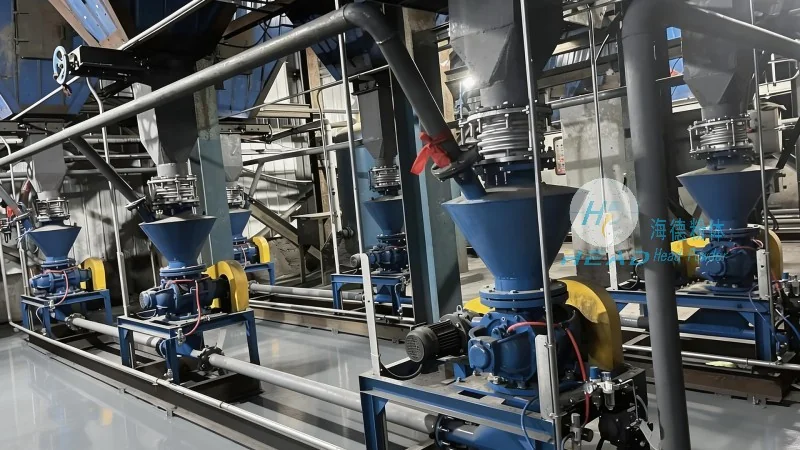
Key Components and Their Roles in the System
The pneumatic conveying system for silica powder consists of several critical components, each playing a vital role in the overall operation. The blower or air compressor provides the motive force, generating the air pressure required to move the material. The hopper or feeder is responsible for storing and feeding the silica powder into the conveying line, ensuring a consistent flow. The conveying line itself, usually made of stainless steel or other corrosion-resistant materials, transports the material and air mixture. Additionally, filters and cyclones are used to separate the powder from the air, allowing for recycling of the air and collection of the material. These components work in tandem to create an efficient and reliable system for transporting silica powder.
The Operational Process: From Loading to Delivery
The operational process of a pneumatic conveying system for silica powder involves several steps that ensure smooth and continuous transport. First, the silica powder is loaded into the hopper, where it is stored until needed. The feeder then regulates the flow of material into the conveying line, controlling the rate of transport. The blower then activates, generating the air pressure that lifts the powder particles and moves them through the pipeline. As the material travels, it may pass through various sections, such as bends or expansions, which are designed to maintain the flow and prevent blockages. At the destination, the material is discharged into a collection bin or silo, while the air is filtered and recycled back to the blower. This cycle repeats continuously, providing a steady supply of silica powder to the processing equipment.
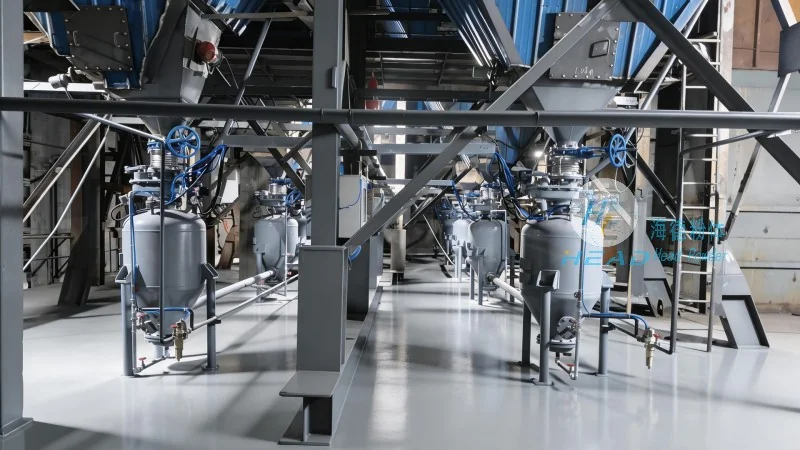
Advantages of Pneumatic Conveying for Silica Powder Handling
Compared to traditional methods like belt conveyors or bucket elevators, pneumatic conveying offers several advantages when handling silica powder. One of the primary benefits is the ability to transport the material in a closed system, which minimizes dust exposure and improves workplace safety. This is particularly important for silica powder, as it can be a respiratory hazard if inhaled. Additionally, the system is more hygienic and easier to clean, making it suitable for food and pharmaceutical applications. The lack of mechanical parts also reduces maintenance requirements and downtime, leading to lower operational costs. Furthermore, pneumatic conveying can handle a wide range of particle sizes and moisture content, making it versatile for various silica powder applications.
Customization and Application Flexibility
HeadPowder understands that each industrial application has unique requirements, and therefore, offers customized pneumatic conveying solutions tailored to the specific needs of clients. The company works closely with customers to assess their material handling challenges and design systems that optimize performance, efficiency, and cost-effectiveness. Whether it's a short-distance transport within a facility or a long-distance transfer between plants, HeadPowder's engineers can design a system that meets the exact specifications. The flexibility of pneumatic conveying allows for integration with existing equipment and processes, ensuring a seamless transition to the new system.