

Operation Process and Working Principle of Tote Bag Dust-Free Loading Station Material Conveying Sys
HeadPowder, a leading manufacturer based in Shandong, China, specializes in providing advanced material handling solutions for industries requiring high purity and dust control. The tote bag dust-free loading station is a critical component in such systems, designed to facilitate the safe and efficient transfer of bulk materials while maintaining a clean environment. This article explores the operational process and underlying principles of the equipment, highlighting its key features and benefits.
Key Components of the Material Conveying System
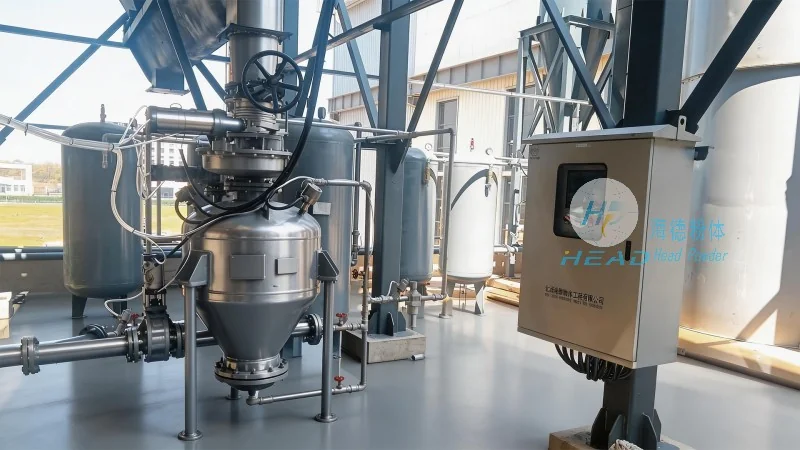
The tote bag dust-free loading station typically consists of several integrated components that work in tandem to ensure smooth material flow. The primary elements include the tote bag handling mechanism, dust extraction system, material transfer conveyor, and control panel. Each component plays a vital role in the overall functionality of the system. The tote bag handling unit is responsible for lifting, positioning, and securing the tote bags, ensuring they are properly aligned for material transfer. The dust extraction system, equipped with high-efficiency filters and vacuum pumps, continuously removes airborne particles to maintain a clean workspace. The material transfer conveyor, often a flexible or rigid tube system, transports the material from the tote bag to the processing equipment. The control panel allows operators to monitor and adjust the system parameters, ensuring optimal performance.
Operation Process of the Material Conveying System
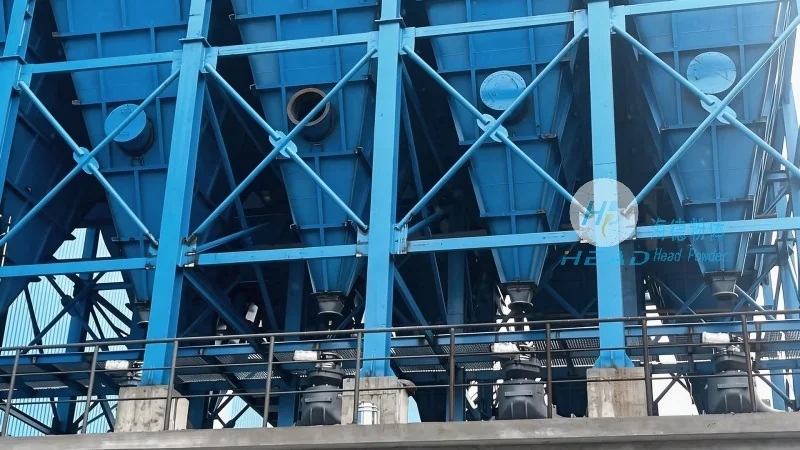
The operation of the tote bag dust-free loading station begins with the preparation of the tote bags, which are typically filled with bulk materials and sealed to prevent contamination. The system then proceeds through several sequential steps. First, the tote bag is placed on the loading platform, and the handling mechanism lifts and positions it over the material transfer line. The dust extraction system is activated to capture any loose particles from the tote bag's interior. Next, the material is discharged from the tote bag into the conveyor system. The conveyor transports the material to the processing equipment, such as a mixer or reactor. Throughout the process, the dust extraction system continues to operate, ensuring that the environment remains dust-free. The control panel provides real-time feedback on the system's status, allowing operators to intervene if any issues arise. Once the material transfer is complete, the tote bag is removed from the system, and the process can be repeated for the next batch.
Working Principle of the Dust-Free Conveying Mechanism
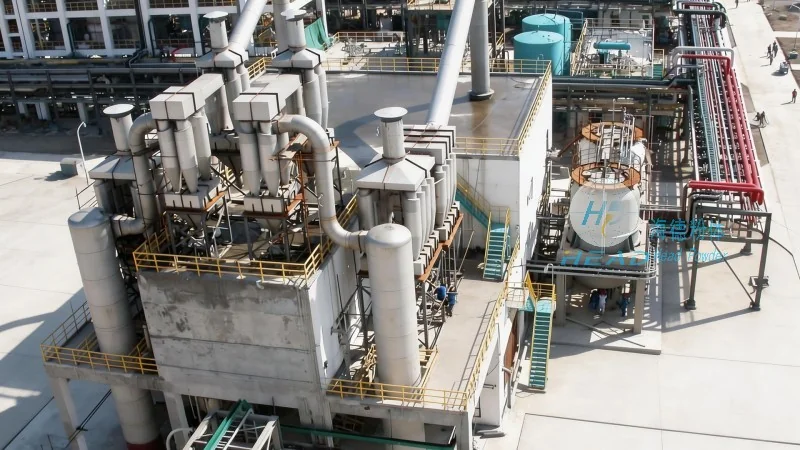
The working principle of the tote bag dust-free loading station is centered on the integration of mechanical, pneumatic, and filtration technologies. The mechanical handling system uses hydraulic or electric actuators to lift and position the tote bags with precision. The material discharge is facilitated by a controlled opening mechanism, which may include a valve or a rotary seal to prevent backflow and maintain material integrity. The dust extraction system operates on the principle of negative pressure, drawing air and particles from the tote bag and the transfer line into a filtration unit. The filtration unit typically consists of multiple stages, including pre-filters, HEPA filters, and activated carbon filters, to remove particulate matter and odors. The extracted air is then released into the environment after purification. The control system uses sensors and feedback loops to regulate the speed of the conveyor, the pressure of the dust extraction, and the position of the tote bag, ensuring consistent and reliable operation. This integrated approach ensures that the material is transferred without contamination and that the working environment remains safe and compliant with industry standards.
Benefits and Applications of the System
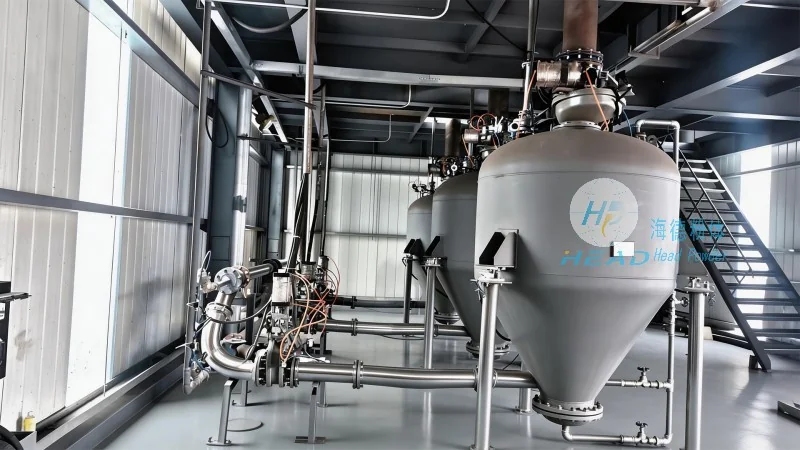
The tote bag dust-free loading station material conveying system offers numerous benefits for industries that handle sensitive or hazardous materials. The primary advantage is the maintenance of a dust-free environment, which is crucial for processes that require high purity, such as pharmaceutical manufacturing, food processing, and chemical production. The system also enhances safety by reducing the risk of dust explosions and respiratory hazards. Additionally, the efficient material transfer reduces downtime and increases productivity, as the process is automated and requires minimal manual intervention. The system is widely used in various applications, including the handling of powders, granules, and other bulk materials. Its versatility allows it to be adapted to different industries and material types, making it a valuable asset for any facility seeking to improve its material handling capabilities.