

Operation Process and Working Principle of Barley Powder Conveying Line
Barley powder conveying lines are critical components in the processing and handling of barley-derived products. These systems are engineered to efficiently transport barley powder from one stage of production to another, ensuring smooth and continuous operation in industrial settings. The following content will delve into the operation process and working principles of such lines, providing insights into their functionality and importance in the industry.
About the Manufacturer
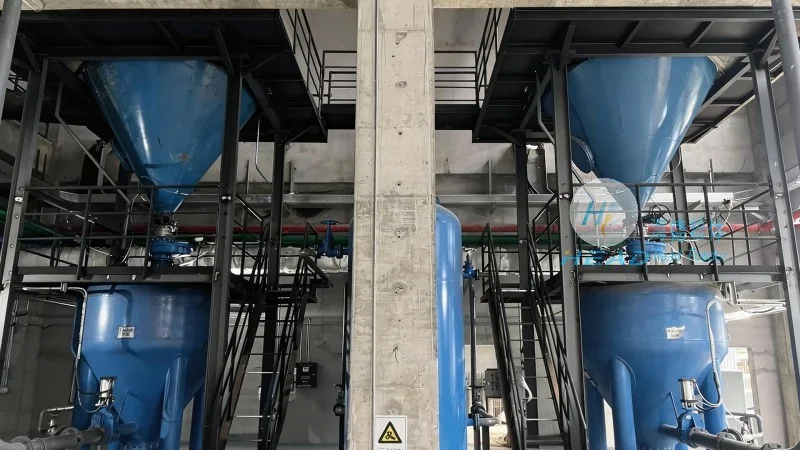
HeadPowder, a leading provider in the field, specializes in engineering and manufacturing high-quality conveying solutions. With a strong presence in Shandong, China, the company, known as Shandong HeadPowder Engineering Co., Ltd., has established itself as a trusted partner for businesses requiring reliable powder handling systems. Their expertise lies in designing customized conveying lines that meet specific operational needs, ensuring durability, efficiency, and compliance with industry standards.
Product Overview: Barley Powder Conveying Line
The barley powder conveying line is a comprehensive system engineered to handle the transportation of barley powder with precision and reliability. This line typically integrates various components, including feeders, conveyors, and control systems, to ensure seamless material flow. The design is tailored to handle the unique characteristics of barley powder, such as its fine texture and potential for dust generation, by incorporating features like dust suppression and material containment. The system is built to maintain product integrity while minimizing waste and operational disruptions.
Operation Process of the Barley Powder Conveying Line
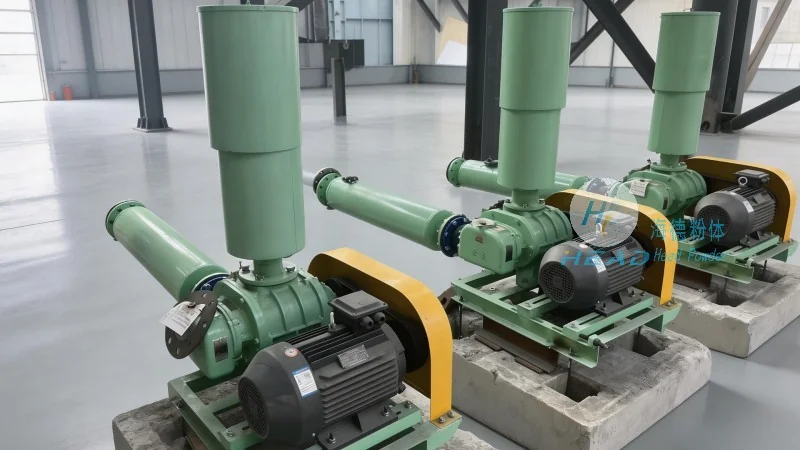
The operation of a barley powder conveying line begins with the initial feeding of barley powder into the system. This is usually done using a hopper or a bulk material feeder, which ensures a consistent and controlled flow of material into the conveyor. The conveyor then transports the powder through a series of stages, such as vertical or horizontal sections, depending on the layout of the production facility. Along the way, the line may include components like rotary valves, which regulate the flow rate and prevent backflow, and dust collectors to manage airborne particles. The control system plays a crucial role in monitoring and adjusting the operation in real-time, ensuring that the conveying process remains stable and efficient.
Working Principle of the Conveying Line
The working principle of the barley powder conveying line is based on the principles of mechanical transport. The system utilizes either pneumatic or mechanical means to move the powder. In pneumatic systems, compressed air is used to create a flow that carries the powder through the line, while mechanical systems rely on rotating blades or belts to push the material forward. The choice of system depends on factors such as the volume of material to be conveyed, the distance, and the required speed. The line is designed to maintain a consistent pressure and flow rate, which is essential for preventing clogging and ensuring the smooth movement of the powder. Additionally, the system incorporates safety features, such as emergency stop buttons and overload protection, to safeguard both the equipment and the personnel operating it.
Key Features and Benefits
HeadPowder's barley powder conveying lines are equipped with several key features that enhance their performance and reliability. These include advanced control systems that allow for precise adjustment of flow rates, ensuring optimal operation under varying conditions. The lines are also designed with robust materials to withstand the abrasive nature of barley powder, reducing wear and tear and extending the lifespan of the equipment. Furthermore, the systems are equipped with dust suppression mechanisms, which help maintain a clean and safe working environment by minimizing airborne particles. The benefits of using such a conveying line include improved productivity, reduced labor costs, and enhanced product quality due to the consistent handling of the powder.
Application Scenarios
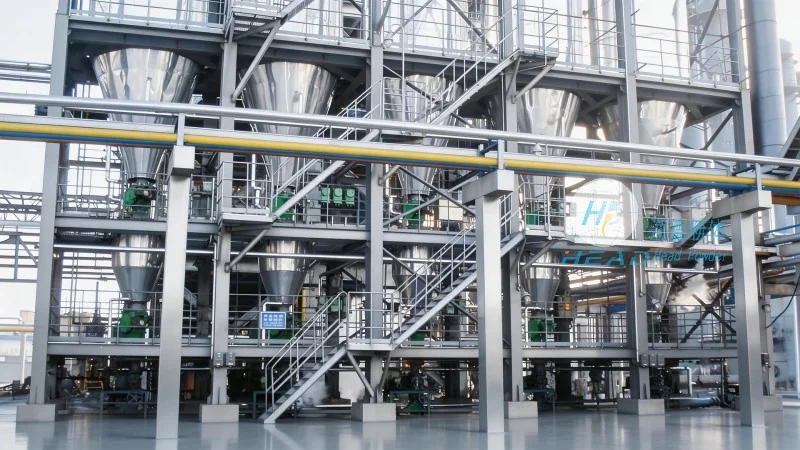
The barley powder conveying line is widely used in various industries, including food processing, pharmaceuticals, and chemical manufacturing. In the food industry, it is commonly employed in the production of barley-based products like malt, barley flour, and barley extract. The line ensures that the powder is transported safely and efficiently from storage to processing equipment, maintaining the quality and freshness of the product. In pharmaceutical applications, the conveying line is used to handle barley powder used in the formulation of supplements and medications, where purity and consistency are critical. The system's ability to maintain a sterile and controlled environment makes it suitable for such applications. In chemical manufacturing, the line is used to transport barley-derived powders used in the production of various chemicals, ensuring that the material is handled without contamination or degradation.
Conclusion
Barley powder conveying lines are essential systems that play a vital role in the efficient processing and handling of barley-derived products. The operation process and working principles of these lines are designed to ensure smooth and reliable material transport, while maintaining product integrity and safety. With the expertise of manufacturers like Shandong HeadPowder Engineering Co., Ltd., businesses can benefit from high-quality conveying solutions that meet their specific needs. By understanding the operation and principles of these lines, companies can optimize their production processes, improve efficiency, and enhance overall productivity.