

Operation Process and Working Principle of Wheat Flour Powder Conveying Line
Wheat flour powder conveying lines are essential systems in the food processing and grain handling industries, designed to efficiently transport wheat flour and other fine powders from storage to processing or packaging areas. These systems are engineered to maintain product quality, ensure consistent flow, and minimize dust generation, making them critical for maintaining operational efficiency and product integrity. The design and operation of such lines are tailored to meet the specific requirements of flour mills, bakeries, and related food production facilities.
About HeadPowder Engineering
HeadPowder Engineering, a leading provider of grain and flour handling solutions, specializes in designing and manufacturing high-quality wheat flour powder conveying lines. With years of experience in the industry, HeadPowder has developed advanced systems that meet the demanding requirements of modern food processing facilities. The company’s headquarters is located in Shandong, China, where it operates a state-of-the-art manufacturing facility and a technical support team dedicated to customer service and innovation.
Key Components of a Wheat Flour Powder Conveying Line
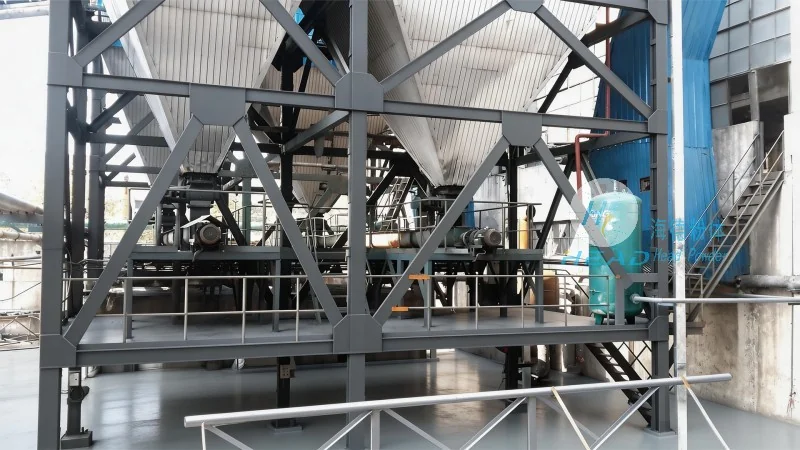
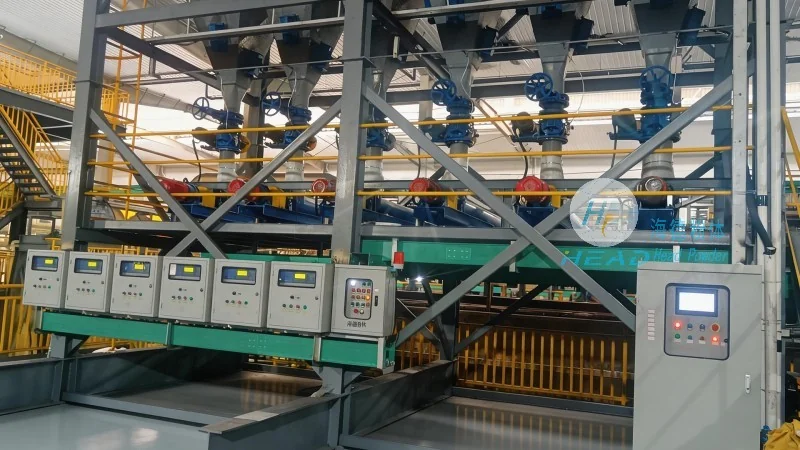
At the core of a wheat flour powder conveying line are several key components that work in tandem to ensure smooth and reliable operation. These components include: hopper and feeding mechanisms, which control the flow of flour from storage bins to the conveyor system; conveying equipment, such as screw conveyors, pneumatic conveyors, or bucket elevators, which transport the flour through the system; control systems, which monitor and regulate the flow rate, pressure, and other parameters to maintain optimal performance; and dust control systems, which capture and filter airborne particles to protect both the product and the environment.
Operation Process of Wheat Flour Powder Conveying Lines
The operation of a wheat flour powder conveying line typically follows a sequential process, starting with the loading of flour into the hopper. The feeding mechanism then regulates the flow of flour into the conveying equipment. For example, in a screw conveyor system, the flour is pushed through a rotating screw, which moves it along the conveyor path. In a pneumatic conveyor system, the flour is carried by a stream of air, often under pressure, through a pipeline network. The conveying equipment transports the flour to the desired destination, such as a silo, mixer, or packaging machine. Throughout this process, the control system continuously monitors key parameters, such as flow rate and pressure, to ensure that the system operates within safe and efficient limits. Any deviations are automatically adjusted to maintain consistent performance.
Working Principle of Wheat Flour Powder Conveying Lines
The working principle of a wheat flour powder conveying line is based on the physical properties of the material being handled—specifically, its fine particle size and low bulk density. These characteristics make traditional bulk handling methods, such as gravity flow, inefficient for transporting flour. Instead, specialized equipment is used to overcome the challenges posed by these properties. For instance, screw conveyors utilize the friction between the screw and the material to move the flour, while pneumatic conveyors use air pressure to create a flow. The control system plays a crucial role in managing these processes, ensuring that the conveying speed, pressure, and other variables are optimized for the specific material and system configuration. This ensures that the flour is transported without degradation, maintaining its quality and preventing issues like caking or segregation.
Benefits of Using Wheat Flour Powder Conveying Lines
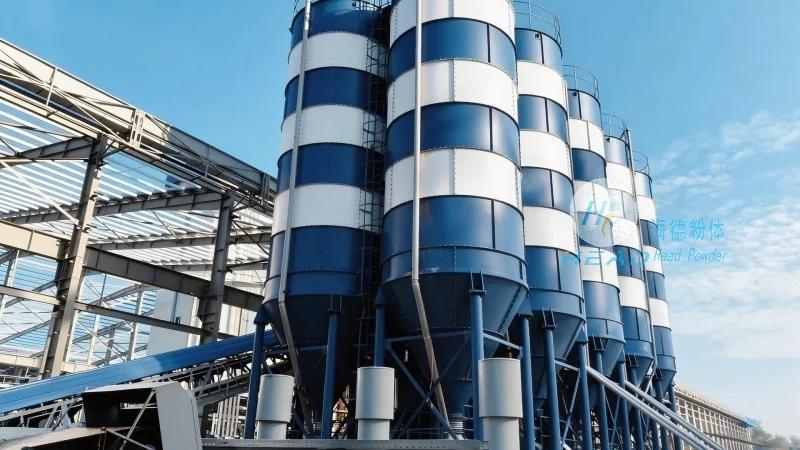
Implementing a wheat flour powder conveying line offers several significant benefits for food processing facilities. First, it enhances operational efficiency by automating the transport of flour, reducing the need for manual handling and labor. This leads to cost savings and improved productivity. Second, the systems are designed to minimize product loss and contamination, ensuring that the flour remains in pristine condition from storage to processing. Third, the dust control systems integrated into the design help maintain a clean and safe working environment, reducing the risk of respiratory issues and improving overall workplace safety. Finally, the flexibility of these systems allows for easy integration with existing production lines, enabling facilities to adapt to changing production needs without major modifications.
Application Examples in Food Processing
Wheat flour powder conveying lines are widely used in various applications within the food industry. In flour mills, these systems are used to transport freshly milled flour from the grinding and sifting stages to storage silos or packaging lines. In bakeries, they are employed to move flour from storage to mixing and kneading equipment, ensuring a consistent supply of raw material for bread and other baked goods. Additionally, in the production of confectionery products, such as cakes and pastries, conveying lines are used to transport flour to mixing machines, where it is combined with other ingredients. The versatility of these systems makes them suitable for a wide range of applications, from small-scale artisan bakeries to large-scale industrial food production facilities.