

Operation Process and Working Principle of Small Bag Quantitative Feeding Powder Material Conveying
Small bag quantitative feeding powder conveying equipment is a specialized system designed for the precise and efficient handling of bulk powder materials. This equipment is widely used in various industrial sectors, including pharmaceuticals, food processing, chemical manufacturing, and more. The primary function of such systems is to automate the process of weighing, feeding, and transporting powder from small bags into processing lines or storage containers. By integrating advanced technology and robust engineering, these devices ensure consistent material flow, minimal waste, and enhanced operational safety.
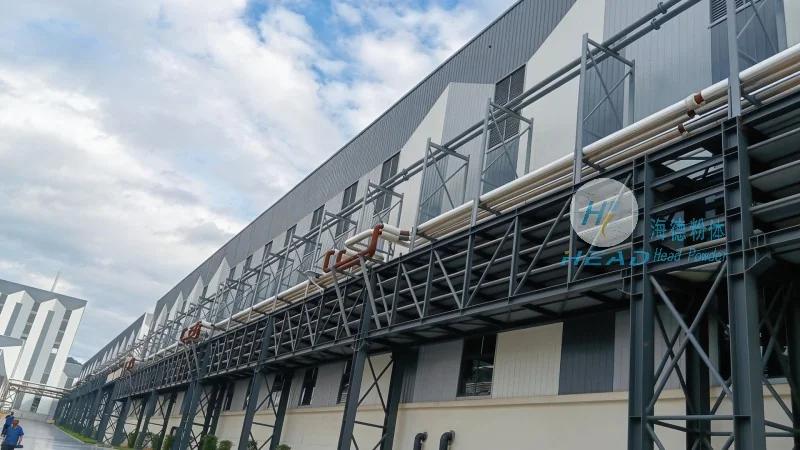
Company Profile: Shandong HeadPowder Engineering Co., Ltd.
HeadPowder, a leading manufacturer in the field of powder handling solutions, specializes in the design, development, and production of high-quality conveying equipment. With a strong commitment to innovation and customer satisfaction, the company has established itself as a trusted partner for industries requiring reliable and efficient powder processing systems. HeadPowder's products are engineered to meet stringent industry standards, ensuring durability, accuracy, and long-term performance. The company's headquarters is located in Shandong, China, where a team of experienced engineers and technicians work tirelessly to deliver cutting-edge solutions tailored to specific client needs.
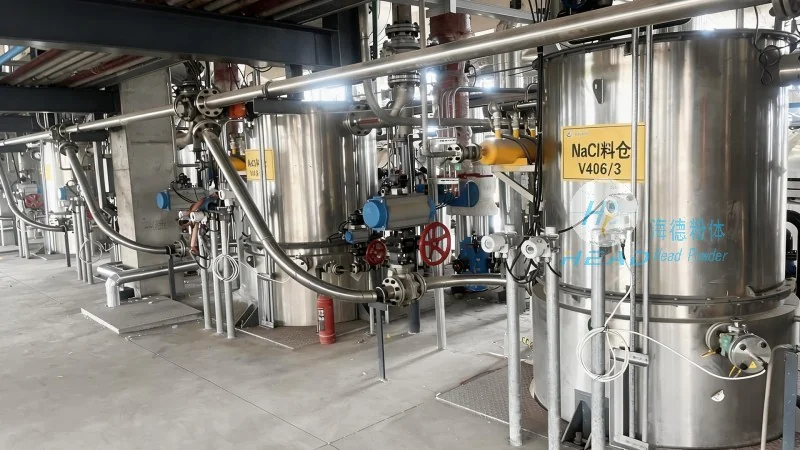
Key Components and Structure of the Equipment
The small bag quantitative feeding powder conveying system typically consists of several critical components that work in harmony to achieve precise material handling. The main parts include a bag opening mechanism, a weighing scale, a feeding hopper, a conveyor system, and a control unit. The bag opening mechanism is responsible for safely and efficiently opening the small bags, allowing the powder to be released into the feeding hopper. The weighing scale provides real-time measurement of the material quantity, ensuring that the exact amount required for the process is delivered. The feeding hopper then regulates the flow of powder, preventing overfeeding or underfeeding. The conveyor system transports the powder from the hopper to the target destination, such as a mixer, reactor, or storage tank. The control unit manages all operational parameters, including weighing accuracy, feeding speed, and system safety features.
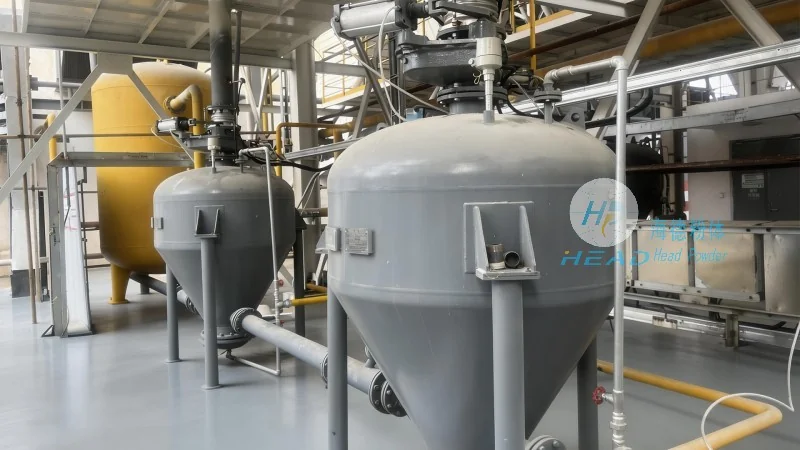
Operation Process of the Small Bag Quantitative Feeding System
The operation of the small bag quantitative feeding powder conveying equipment follows a systematic sequence to ensure accurate and consistent material transfer. The process begins with the placement of a small bag containing the powder onto the bag opening platform. The system then activates the bag opening mechanism, which may involve cutting or tearing the bag to release the contents. Once the bag is opened, the powder falls into the feeding hopper. The weighing scale measures the weight of the powder in the hopper, and the control unit compares this measurement against the target weight. If the weight is below the target, the system continues to feed the powder until the desired amount is reached. Once the target weight is achieved, the feeding mechanism stops, and the control unit signals the next step. The conveyor system then transports the measured powder from the hopper to the processing line or storage container. The entire process is automated, minimizing human intervention and reducing the risk of errors. The system can also be programmed to handle multiple batches sequentially, ensuring continuous operation and efficient production.
Working Principle of the Equipment
The working principle of the small bag quantitative feeding powder conveying equipment is based on a combination of mechanical, electrical, and electronic systems that work together to achieve precise material handling. The mechanical components, such as the bag opening mechanism and conveyor, provide the physical movement and transfer of the powder. The weighing scale, often an electronic load cell, converts the weight of the powder into an electrical signal, which is then processed by the control unit. The control unit uses this signal to calculate the actual weight and compare it with the set target weight. If the actual weight is less than the target, the control unit activates the feeding mechanism to add more powder. This feedback loop ensures that the system maintains the desired weight accuracy. The electronic control system also includes safety features, such as overload protection and emergency stop buttons, to prevent accidents and ensure operator safety. Additionally, the system may include sensors to detect the presence of the bag or the level of powder in the hopper, further enhancing operational reliability.
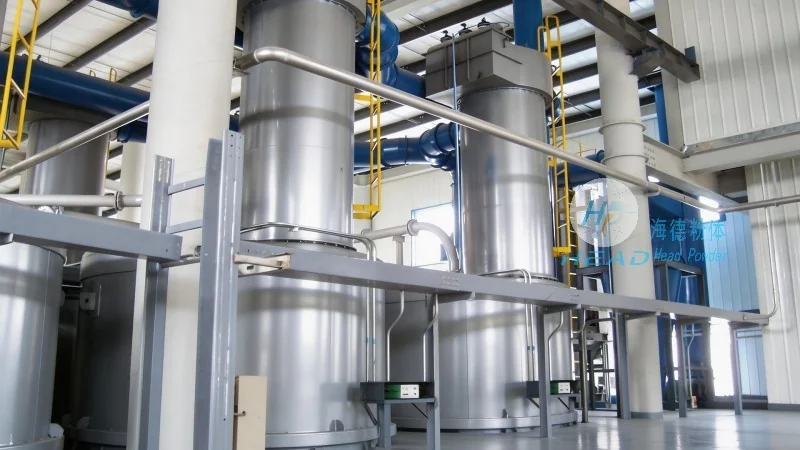
Advantages and Applications of the Equipment
Small bag quantitative feeding powder conveying equipment offers numerous advantages that make it an ideal choice for industries requiring precise powder handling. Some of the key benefits include high accuracy in material measurement, which reduces waste and improves product consistency. The automated operation minimizes human error and labor costs, leading to increased productivity and efficiency. The robust design ensures durability and long service life, even in harsh industrial environments. Additionally, the equipment can be easily integrated with existing production lines, allowing for seamless operation and minimal downtime. The applications of this equipment are diverse, covering sectors such as pharmaceutical manufacturing, where precise dosing is critical for drug formulation; food processing, where consistent quality control is essential for consumer safety; and chemical manufacturing, where accurate material handling is necessary for reaction control and product quality. In each of these applications, the small bag quantitative feeding system plays a vital role in ensuring that the right amount of powder is delivered at the right time, contributing to overall process efficiency and product quality.