

Operation Process and Working Principle of Automatic Powder Feeding and Conveying Equipment
Shandong HeadPowder Engineering Co., Ltd., commonly known as headpowder, specializes in the design and manufacturing of advanced powder handling systems. The company is headquartered in Shandong, China, and has established itself as a leading provider of automated solutions for powder feeding and conveying applications across various industries. The following article delves into the operation process and working principle of their automatic powder feeding and conveying equipment, highlighting the key components and functional mechanisms that enable efficient and reliable material handling.
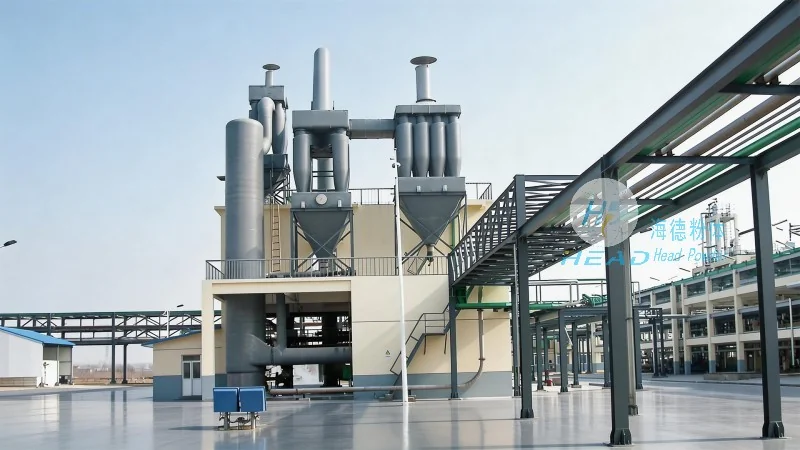
Key Components of the Automatic Powder Feeding System
The automatic powder feeding and conveying equipment typically consists of several core components that work in tandem to ensure precise and controlled material flow. These components include a powder hopper or storage bin, a feeder mechanism (such as a screw feeder, vibratory feeder, or rotary valve), a conveying system (e.g., pneumatic or mechanical conveyor), and a control unit. The powder hopper serves as the primary storage container, holding the bulk powder material. The feeder mechanism is responsible for regulating the flow rate of the powder from the hopper to the conveying system, ensuring consistent and accurate dosing. The conveying system then transports the powder to the target destination, such as a processing unit or storage vessel. The control unit, often equipped with programmable logic controllers (PLCs) or advanced software, monitors and adjusts the operation of all components to maintain optimal performance.
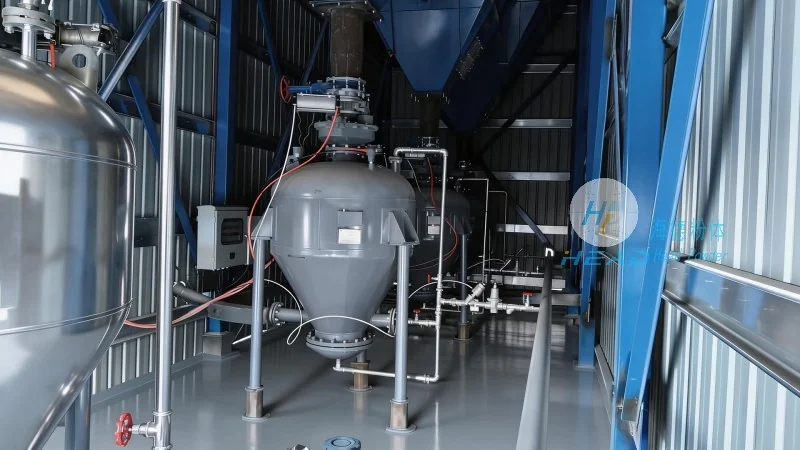
Operation Process of the Equipment
The operation process of the automatic powder feeding and conveying equipment begins with the loading of the powder into the hopper. Once the hopper is filled, the control system activates the feeder mechanism, which starts the material flow. The feeder adjusts its speed or rotation rate based on the desired feed rate, which is typically set by the operator or a pre-programmed recipe. As the powder is fed, it enters the conveying system, which may use air pressure (pneumatic) or mechanical force (e.g., belt or screw) to move the material. The conveying system ensures that the powder is transported smoothly and without blockages, maintaining a consistent flow rate. The control unit continuously monitors parameters such as flow rate, pressure, and temperature, and adjusts the feeder or conveyor settings as needed to maintain stability. When the target amount of powder has been delivered, the control system stops the feeder and conveyor, completing the cycle. The equipment may also include safety features, such as overload protection or dust suppression systems, to ensure safe operation and prevent material loss or contamination.
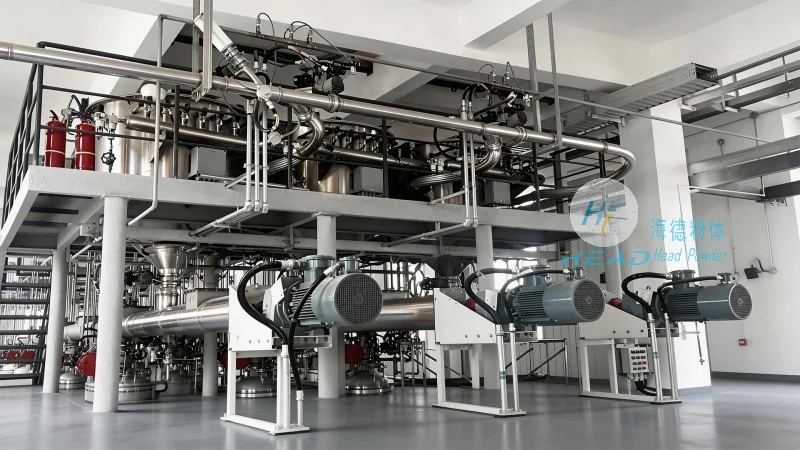
Working Principle of the Equipment
The working principle of the automatic powder feeding and conveying equipment is based on the principles of material flow control and mechanical/ pneumatic transmission. The feeder mechanism, for example, uses a screw or vibratory motion to push the powder from the hopper into the conveying line. The screw feeder works by rotating a helical screw, which creates a pressure gradient that moves the powder forward. The vibratory feeder uses an oscillating motion to cause the powder to flow, while the rotary valve acts as a gate to control the flow of powder into the conveyor. The conveying system, whether pneumatic or mechanical, relies on the movement of air or mechanical components to transport the powder. In pneumatic conveying, compressed air is used to create a pressure differential that pulls the powder through the pipeline. In mechanical conveying, a conveyor belt or screw transports the powder along a fixed path. The control unit integrates sensors and feedback mechanisms to regulate the flow, ensuring that the powder is delivered at the correct rate and quantity. This closed-loop control system allows for precise and repeatable operation, minimizing variations in feed rate and ensuring consistent product quality.
Advantages of Using Automatic Powder Feeding and Conveying Equipment
Automated powder feeding and conveying systems offer numerous advantages over traditional manual or semi-automated methods. Firstly, they provide high accuracy and repeatability in material dosing, reducing the risk of over or under feeding. This is crucial in applications where precise material ratios are required, such as in pharmaceuticals, food processing, or chemical manufacturing. Secondly, the equipment enhances operational efficiency by automating the feeding and conveying process, reducing labor costs and increasing production throughput. The automated systems also improve safety by minimizing human exposure to dust and hazardous materials, as well as reducing the risk of accidents caused by manual handling. Additionally, the equipment can be integrated with other processing systems, allowing for seamless material transfer and improved overall process control. The advanced control systems enable real-time monitoring and data logging, facilitating process optimization and troubleshooting.
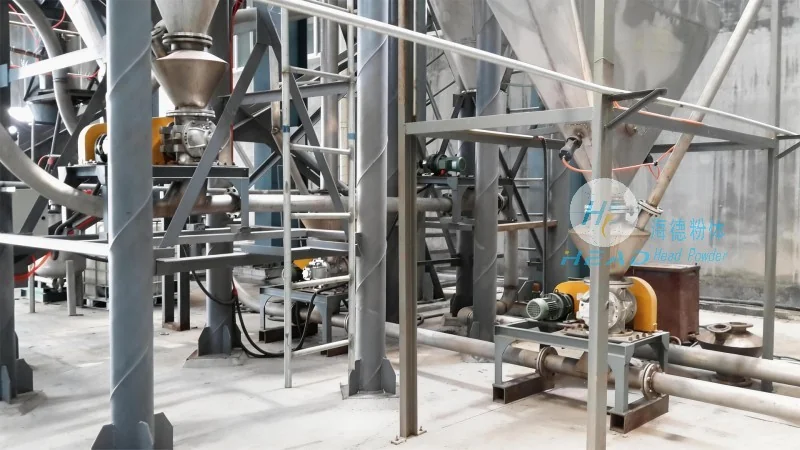
Applications and Industries
The automatic powder feeding and conveying equipment is widely used in various industries that handle bulk powders. These include the pharmaceutical industry, where precise dosing of active ingredients is critical for drug formulation. The food and beverage industry also utilizes these systems for handling ingredients like flour, sugar, and spices. In the chemical industry, the equipment is used for transporting raw materials and intermediates in production processes. Additionally, the equipment is applied in the plastics and rubber industries for feeding raw materials into extruders or mixers. The automotive and aerospace industries also benefit from these systems for handling powders used in coatings and composites. The versatility of the automatic powder feeding and conveying equipment makes it suitable for a wide range of applications, from small-scale laboratory operations to large-scale industrial production lines.