

Operation Process and Working Principle of Polyvinylidene Fluoride (PVDF) Pneumatic Conveying Line
For industrial applications requiring the safe and efficient transport of polyvinylidene fluoride (PVDF) materials, pneumatic conveying systems offer a reliable solution. These systems are designed to handle the unique properties of PVDF, a high-performance fluoropolymer known for its excellent chemical resistance, thermal stability, and mechanical strength. The operation of a PVDF pneumatic conveying line involves a series of steps that ensure material is transferred from a source to a destination with minimal loss and maximum efficiency. Understanding both the operational process and the underlying working principles is crucial for optimizing performance and maintaining system integrity.
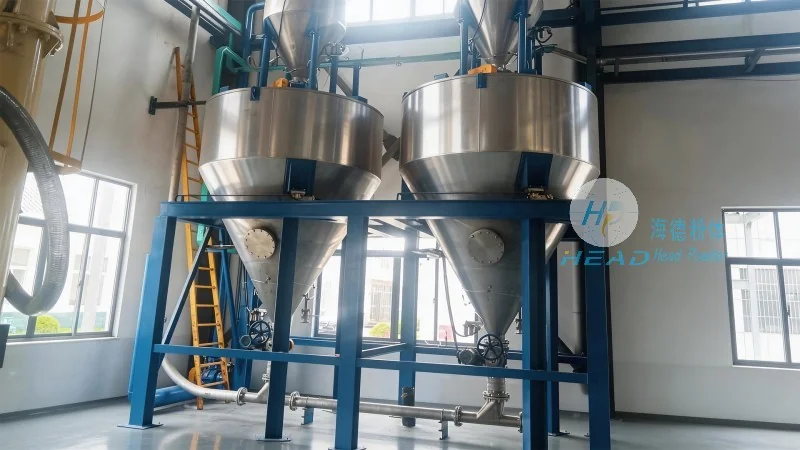
Key Components of a PVDF Pneumatic Conveying Line
The PVDF pneumatic conveying system typically consists of several key components, each playing a vital role in the overall process. These components include the material hopper or feed bin, a rotary airlock valve, a conveying line (often equipped with bends and straight sections), a dust collector or filter system, and a discharge hopper or receiver. The material hopper stores the PVDF powder and provides a controlled feed to the system. The rotary airlock valve acts as a gate, regulating the flow of material into the conveying line while preventing backflow of air. The conveying line, usually made of corrosion-resistant materials such as stainless steel or specialized polymers, transports the PVDF particles through the system. The dust collector ensures that any airborne particles are captured and returned to the system, maintaining air quality and preventing contamination. The discharge hopper collects the material at the end of the line, ready for further processing or storage.
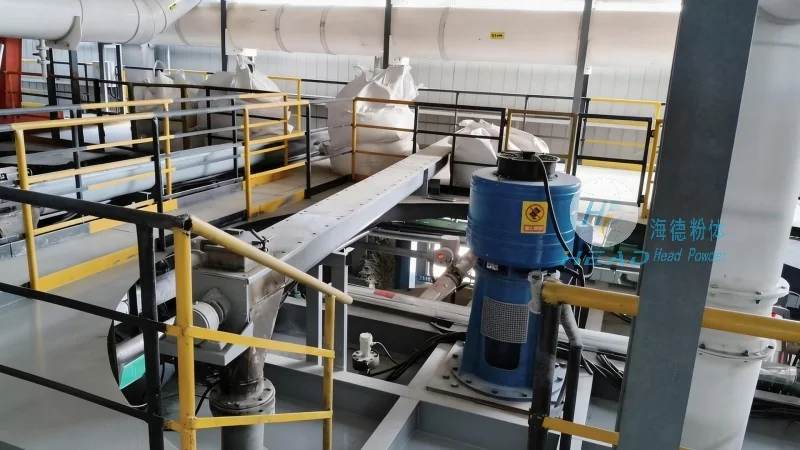
Operation Process of the PVDF Pneumatic Conveying Line
The operation of a PVDF pneumatic conveying line begins with the loading of the material hopper. The PVDF powder is fed into the hopper, and the system is prepared for operation. The first step is the start-up of the air compressor, which generates the necessary air pressure to drive the conveying process. Once the air compressor is running, the rotary airlock valve opens, allowing the PVDF material to enter the conveying line. As the material is introduced, the air flow from the compressor propels the particles through the system. The conveying line may include various components such as elbows, tees, and straight sections, which are designed to guide the material and maintain consistent air velocity. The system is typically operated at a pressure of 4 to 6 bar, depending on the distance and volume of material being transported. The material travels through the line at high velocity, often reaching speeds of 20 to 30 meters per second, ensuring efficient transport. At the receiving end, the material is discharged into the receiving hopper. The air flow continues to carry any remaining particles, which are then captured by the dust collector and returned to the system. The entire process is controlled by a programmable logic controller (PLC), which monitors parameters such as pressure, flow rate, and material level, ensuring optimal operation. The system can be operated continuously or in batch mode, depending on the production requirements. Regular maintenance, including cleaning of the conveying line and replacement of filters, is essential to maintain system performance and prevent clogging or blockages.
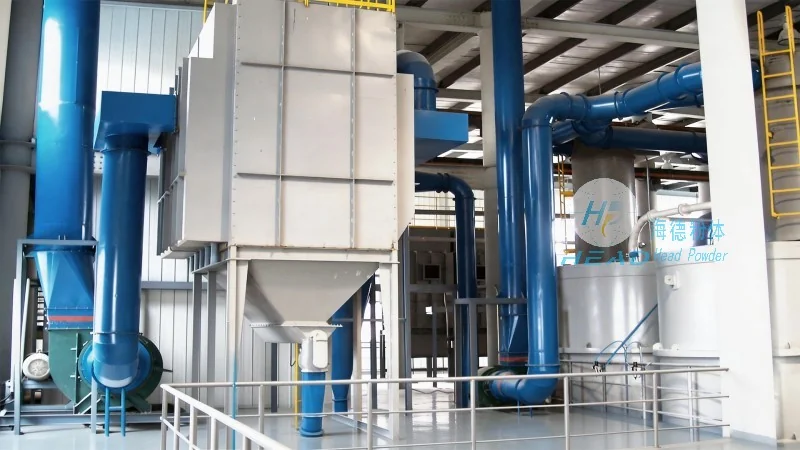
Working Principle of the PVDF Pneumatic Conveying Line
The working principle of a PVDF pneumatic conveying line is based on the use of compressed air to transport solid particles. The system operates on the principle of fluidization, where the air flow creates a suspension of the PVDF particles in the conveying line. As the air velocity exceeds the terminal velocity of the particles, they are carried along with the air stream. The key to efficient operation is maintaining a consistent air velocity throughout the system. If the air velocity is too low, the particles may settle and cause blockages. If the air velocity is too high, excessive wear on the conveying line components may occur. The system uses a combination of positive pressure and negative pressure (or a combination of both) to transport the material. Positive pressure systems use compressed air to push the material forward, while negative pressure systems use suction to draw the material. For PVDF, a positive pressure system is commonly used due to the material's density and the need for a reliable, continuous flow. The air compressor provides the necessary pressure, and the system is designed to minimize pressure losses through the use of smooth bends and straight sections. The rotary airlock valve plays a critical role in controlling the flow of material, ensuring that the air flow is not interrupted and that the material is conveyed smoothly. The dust collector is an integral part of the system, as it prevents the release of airborne particles and maintains the quality of the material being transported. The system's efficiency is also influenced by the particle size and shape of the PVDF material. Smaller particles require higher air velocities to maintain suspension, while larger particles may settle more easily. Proper sizing of the conveying line and adjustment of the air flow are essential to accommodate different particle characteristics. The working principle also involves the use of appropriate materials for the conveying line components, as PVDF is a corrosive material that can degrade certain metals and polymers. The use of stainless steel or specialized PVDF-coated materials ensures that the system is durable and long-lasting.