

Design Calculation and Equipment Selection for Resin Particle Pneumatic Conveying
Resin particle pneumatic conveying is a critical process in many industrial applications, enabling the efficient transport of resin materials from one location to another. Proper design and equipment selection are essential to ensure reliable operation, minimize downtime, and optimize performance. This article provides a comprehensive overview of the design calculation methods and equipment selection guidelines for resin particle pneumatic conveying systems, with a focus on the expertise of Shandong HeadPowder Engineering Co., Ltd., a leading provider in the field.
Understanding Resin Particle Pneumatic Conveying
Resin particles, commonly used in manufacturing processes such as polymer production and composite material fabrication, often require specialized handling due to their size, density, and flow characteristics. Pneumatic conveying offers a non-contact method of transporting these materials, reducing the risk of contamination and wear compared to mechanical conveyors. The process involves using compressed air to move resin particles through a pipeline system, which can be either positive pressure or negative pressure (suction) systems. Each type has its own advantages and is selected based on the specific application requirements.
Key Design Considerations for Resin Particle Pneumatic Conveying
Designing an effective resin particle pneumatic conveying system involves several critical steps. The first step is to determine the material characteristics of the resin particles, including their particle size distribution, bulk density, and moisture content. These parameters directly impact the air velocity and pressure requirements for the system. Accurate measurement of these properties is essential to avoid system inefficiencies or equipment damage.

Next, the system layout must be carefully planned. This includes determining the pipeline length, number of bends, and elevation changes, as these factors affect the pressure drop and energy consumption. The design must also consider the required conveying capacity, which is typically expressed in terms of material flow rate (e.g., tons per hour). The selection of the appropriate air velocity is a key design parameter; too low a velocity may cause particle deposition, while too high a velocity can lead to excessive energy consumption and equipment wear.
Equipment Selection for Resin Particle Pneumatic Conveying
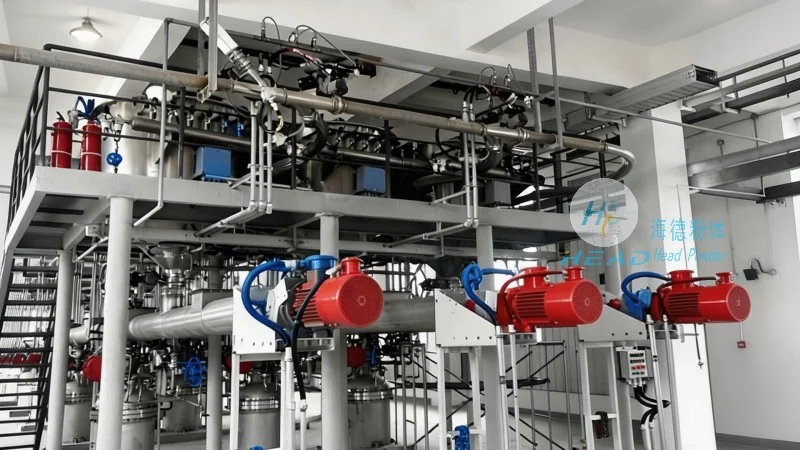
Choosing the right equipment for a resin particle pneumatic conveying system is crucial for optimal performance and longevity. The primary components include the air compressor, material feeders, conveying lines, and receiving hoppers. The air compressor must be capable of delivering the required pressure and volume of air. For resin particles, positive pressure systems often use rotary lobe or screw compressors, while suction systems may employ vacuum pumps.
Material feeders are responsible for introducing resin particles into the conveying line. For resin particles, screw feeders or rotary valves are commonly used to ensure a consistent and controlled feed rate. The conveying lines are typically made of stainless steel or other corrosion-resistant materials to handle the abrasive nature of resin particles. The line diameter and wall thickness are selected based on the particle size and flow rate to minimize pressure drop and prevent clogging.
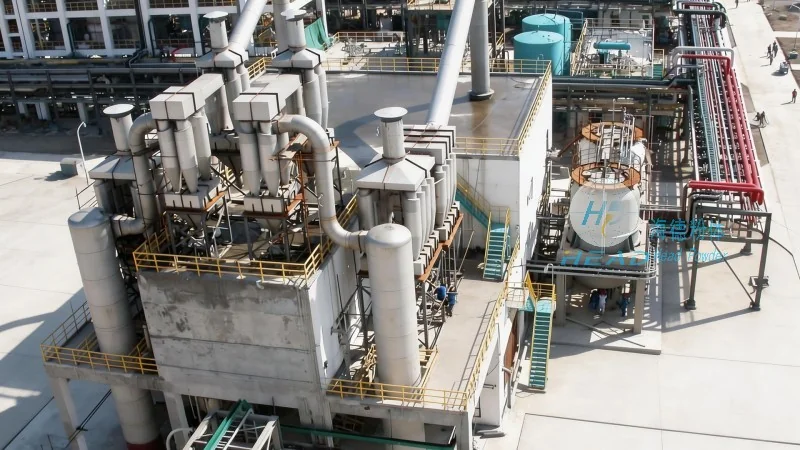
Receiving hoppers are used to collect the conveyed resin particles at the destination. These hoppers must be designed to prevent material buildup and ensure smooth discharge. The design of the hopper and its discharge mechanism is critical to avoid particle segregation and ensure uniform material flow.
Role of Shandong HeadPowder Engineering Co., Ltd.
Shandong HeadPowder Engineering Co., Ltd., operating under the brand name headpowder, is a leading provider of pneumatic conveying solutions for resin particle applications. With years of experience in the industry, the company specializes in designing and manufacturing customized pneumatic conveying systems tailored to the specific needs of its clients. The company's team of engineers utilizes advanced design software and methodologies to ensure that each system is optimized for efficiency, reliability, and cost-effectiveness.
headpowder offers comprehensive services, including system design, equipment selection, installation, and maintenance. The company's expertise in resin particle handling allows it to address the unique challenges associated with these materials, such as particle size variability and moisture sensitivity. By leveraging its deep understanding of pneumatic conveying principles, headpowder provides solutions that enhance production efficiency and reduce operational costs for its clients.
Advantages of Properly Designed Resin Particle Pneumatic Conveying Systems
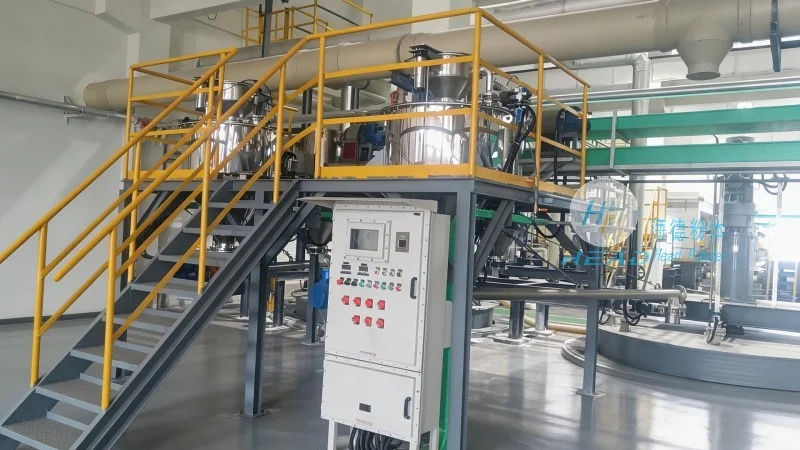
Implementing a well-designed resin particle pneumatic conveying system offers numerous benefits. Firstly, it improves material handling efficiency by eliminating the need for manual or mechanical handling, reducing labor costs and the risk of human error. Secondly, it enhances product quality by minimizing contamination and particle degradation during transport. Thirdly, it increases system reliability by reducing downtime due to equipment wear or blockages. Finally, it optimizes energy consumption by selecting the most efficient equipment and operating parameters.
Conclusion
Resin particle pneumatic conveying is a sophisticated process that requires careful design and equipment selection to achieve optimal performance. By following the guidelines outlined in this article and leveraging the expertise of companies like Shandong HeadPowder Engineering Co., Ltd., industries can implement reliable and efficient conveying systems for their resin particle applications. The key to success lies in understanding the material characteristics, planning the system layout, and selecting the appropriate equipment, all of which contribute to a long-lasting and cost-effective solution.