

Design and Calculation for Coking Coal Particle Pneumatic Conveying and Equipment Selection
HeadPowder, a leading engineering firm based in Shandong, China, specializes in the design and selection of equipment for pneumatic conveying of coking coal particles. This article provides a comprehensive overview of the key considerations and technical aspects involved in the process, ensuring efficient and reliable material handling solutions for industrial applications.
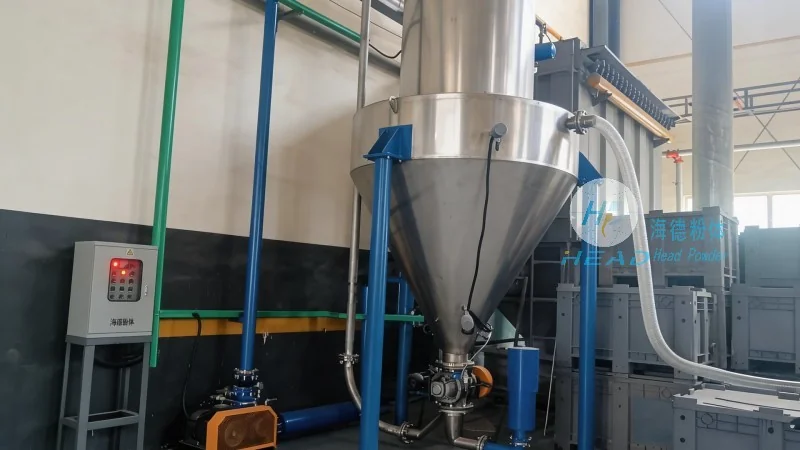
Understanding Pneumatic Conveying for Coking Coal
Pneumatic conveying is a critical technology in the handling of bulk materials like coking coal, offering advantages such as reduced labor costs, minimized material degradation, and enhanced safety compared to traditional methods like belt conveyors or bucket elevators. The process involves transporting solid particles through a pipeline using a gas stream, typically air or a combination of air and other gases. For coking coal, which is characterized by its high density and abrasive properties, selecting the right conveying system is essential to prevent equipment wear and ensure consistent performance.
Key Design Considerations in Pneumatic Conveying Systems
The successful design of a coking coal pneumatic conveying system requires careful consideration of several technical parameters. First, the material's physical properties, including particle size distribution, density, and moisture content, must be accurately characterized. These properties directly influence the required air velocity, pressure drop, and equipment sizing. For example, larger or more irregularly shaped particles may necessitate higher air velocities to maintain flow, while high moisture content can affect the material's flowability and increase the risk of blockages.
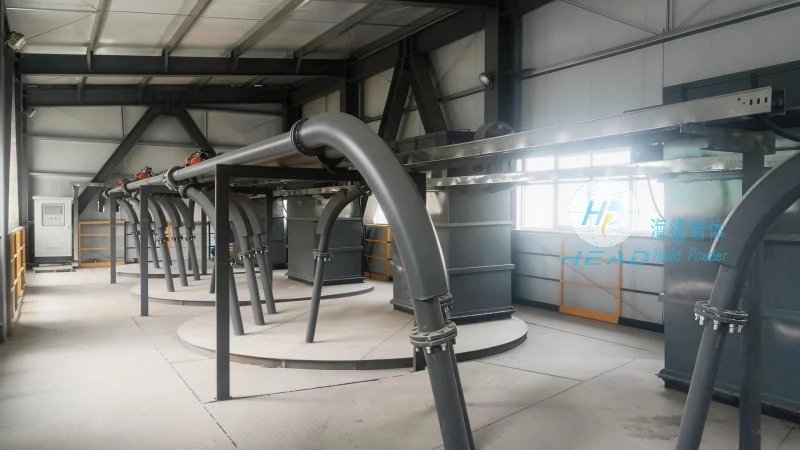
Second, the system's operating conditions, such as the required conveying distance, elevation change, and desired flow rate, play a crucial role in determining the type of conveying system. There are two primary categories of pneumatic conveying systems: dilute-phase and dense-phase. Dilute-phase systems operate at higher air velocities, typically 20-30 m/s, and are suitable for short distances or low-pressure applications. Dense-phase systems, on the other hand, use lower air velocities (5-15 m/s) and higher pressure to move material in a more compacted state, making them ideal for longer distances or when gentle handling is required. The choice between these systems depends on the specific application and the characteristics of the coking coal being handled.
Equipment Selection for Coking Coal Pneumatic Conveying
HeadPowder offers a range of equipment tailored to the unique demands of coking coal pneumatic conveying. The selection process involves evaluating various components, including the feeder, air compressor, pipeline, and control system. The feeder is responsible for introducing the coking coal into the pipeline at a consistent rate, and its design must accommodate the material's flow characteristics. For coking coal, which can be abrasive, feeders with wear-resistant liners and robust mechanisms are recommended to ensure long service life. The air compressor provides the necessary pressure and volume of air to move the material through the pipeline. Depending on the system design, either positive displacement or centrifugal compressors may be used, with the choice influenced by factors like flow rate, pressure, and efficiency.
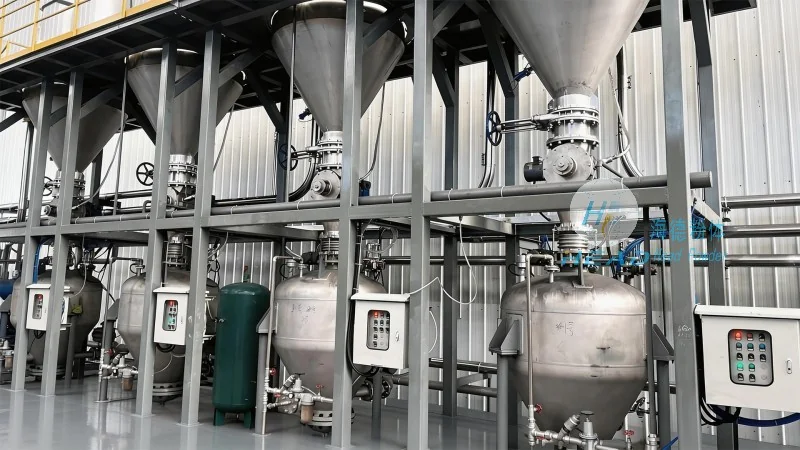
The pipeline itself is a critical component, as it must withstand the pressure and abrasion from the coking coal particles. Materials such as stainless steel or high-grade carbon steel are commonly used, with internal coatings or linings to reduce wear. The pipeline layout, including bends and vertical sections, must be carefully designed to minimize pressure drop and prevent blockages. For longer conveying distances, the use of booster fans or pressure vessels may be necessary to maintain the required pressure. The control system ensures that the conveying process operates smoothly, monitoring parameters like pressure, flow rate, and temperature, and adjusting the system as needed to maintain optimal performance.
Calculation Methods for Pneumatic Conveying System Design
Accurate calculation is essential to ensure the efficiency and reliability of a coking coal pneumatic conveying system. Several methods are used to determine the required air velocity, pressure drop, and equipment sizing. The most common approach is the "pressure drop method," which calculates the pressure required to overcome friction losses in the pipeline and lift the material to the desired elevation. The formula for pressure drop includes terms for friction loss, elevation change, and acceleration of the material. For example, the pressure drop (ΔP) can be calculated using the Darcy-Weisbach equation, which accounts for the pipe diameter, length, material roughness, and flow velocity. Additionally, the required air volume (Q) is determined based on the material's flow rate and the air velocity, ensuring that the system can handle the desired throughput.
Another important calculation is the determination of the air compressor's capacity. This involves estimating the total pressure required by the system and the volume of air needed to achieve the desired flow rate. The compressor's power and efficiency are also considered to ensure that the system operates within economic and environmental constraints. HeadPowder employs advanced computational tools and software to perform these calculations, leveraging data from material testing and system simulations to optimize the design and minimize operational costs.
Benefits of Professional Engineering for Coking Coal Conveying
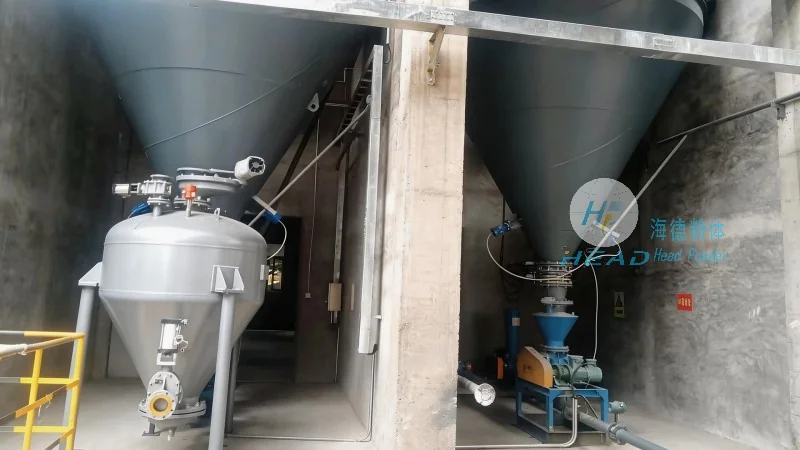
For industrial facilities handling coking coal, partnering with a specialized engineering firm like HeadPowder offers significant advantages. The company's expertise in material handling and pneumatic conveying ensures that the system is designed to meet the specific needs of the application, taking into account factors such as the material's properties, operational requirements, and budget constraints. By conducting thorough calculations and selecting appropriate equipment, HeadPowder helps clients achieve higher efficiency, lower maintenance costs, and improved safety compared to systems designed without professional guidance.
The comprehensive approach of HeadPowder includes not only the design and selection of equipment but also the provision of technical support and after-sales service. This ensures that the pneumatic conveying system operates reliably over its lifespan, with minimal downtime and maximum productivity. Clients can trust that their coking coal handling needs are addressed by a team with extensive experience in the industry, based in Shandong, China, and committed to delivering high-quality solutions.