

Design and Equipment Selection for Sintered Dust Pneumatic Conveying
When managing sintered dust in industrial settings, the choice of a pneumatic conveying system is a critical decision that impacts overall operational performance. The process of designing and selecting the right equipment involves a thorough analysis of several key factors, including the physical properties of the dust, the required conveying distance, and the desired system pressure. Shandong HeadPowder Engineering Co., Ltd., commonly known as HeadPowder, leverages decades of experience to provide tailored solutions that meet the specific needs of clients across various industries.
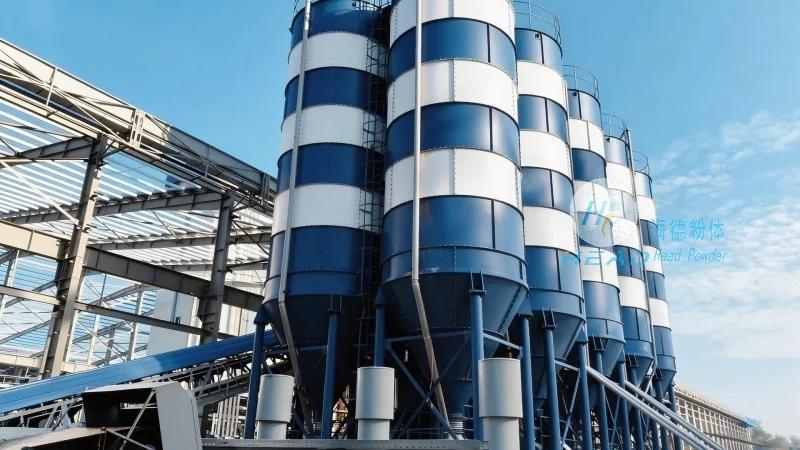
Key Design Considerations for Sintered Dust Pneumatic Conveying
The successful design of a sintered dust pneumatic conveying system begins with a detailed understanding of the material being handled. Sintered dust typically exhibits unique characteristics such as particle size distribution, moisture content, and flowability, which directly influence the system's performance. Engineers at HeadPowder conduct comprehensive material tests to determine these properties, ensuring that the design calculations are based on accurate data. Other critical design considerations include the required conveying velocity, which must be sufficient to prevent particle deposition in the pipeline, and the system pressure, which is determined by the distance the material needs to travel and the height to which it must be elevated. The selection of appropriate air flow rates and pressure levels is essential to maintain system efficiency and minimize energy consumption.
Equipment Selection for Sintered Dust Pneumatic Conveying
HeadPowder offers a range of equipment options tailored to the specific requirements of sintered dust applications. The primary types of pneumatic conveying systems include positive pressure systems, which use a blower to generate pressure and push the material through the pipeline, and negative pressure systems, which use a vacuum to draw the material into the system. For sintered dust, positive pressure systems are often preferred due to their ability to handle abrasive materials and maintain consistent flow rates. The company's selection process involves evaluating factors such as the system's capacity, the need for flexibility in material handling, and the environmental constraints of the operation. HeadPowder's engineers recommend the use of high-quality, durable components, such as stainless steel pipelines and specialized valves, to ensure long-term reliability and minimize maintenance costs.
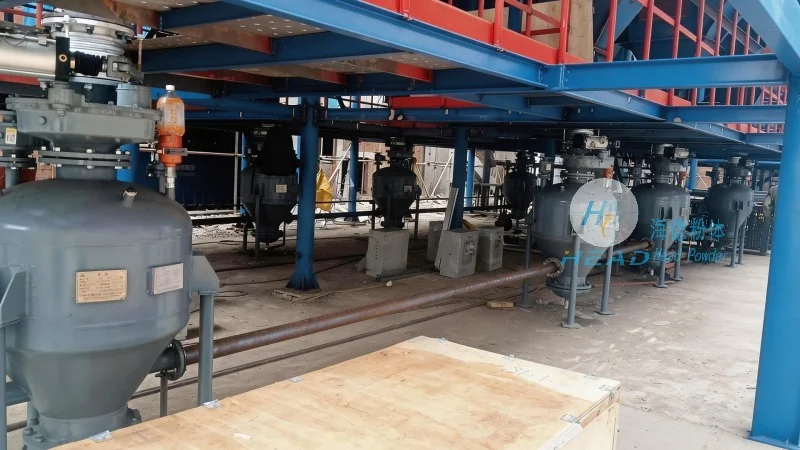
Design Calculations and System Optimization
Accurate design calculations are fundamental to the success of any pneumatic conveying system. HeadPowder employs advanced computational methods to model the behavior of sintered dust in the pipeline, taking into account variables such as particle size, air velocity, and pressure drop. These calculations help determine the optimal equipment specifications, including the size of the air compressor, the diameter of the pipeline, and the number of bends or fittings required. By optimizing these parameters, the system can achieve maximum efficiency while reducing energy consumption and operational costs. HeadPowder's team of experts also considers the impact of system variables on the overall performance, such as the effect of temperature changes on dust properties and the need for dust collection systems to comply with environmental regulations.
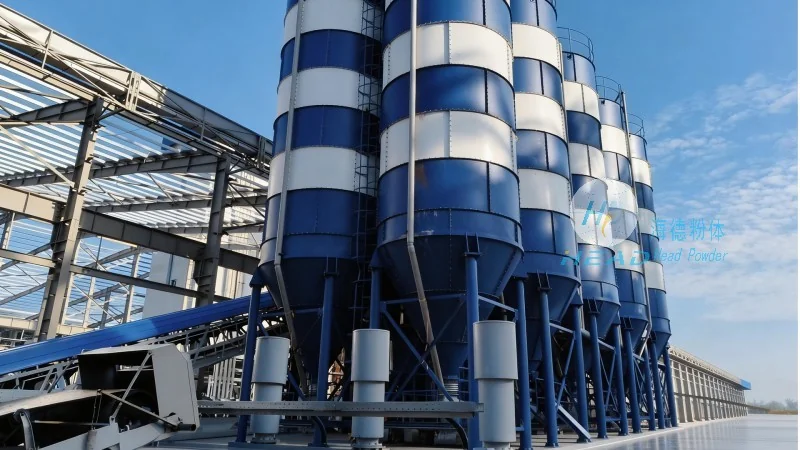
Case Studies and Real-World Applications
HeadPowder has successfully implemented sintered dust pneumatic conveying systems in various industrial sectors, including steel production, mining, and chemical processing. These case studies demonstrate the effectiveness of the company's design and equipment selection processes. For example, in a steel plant, the company designed a positive pressure system to transport sintered dust from a storage silo to a processing unit over a distance of 500 meters. The system was optimized to handle abrasive dust particles and maintain a consistent flow rate, resulting in a 20% reduction in energy consumption compared to traditional methods. Another application involved a mining operation where HeadPowder designed a negative pressure system to collect dust from a conveyor belt and transport it to a filtration unit. The system was tailored to handle high volumes of dust and maintain low operating pressures, ensuring compliance with environmental standards.
Conclusion and Contact Information
Shandong HeadPowder Engineering Co., Ltd. provides comprehensive solutions for sintered dust pneumatic conveying, combining expert design calculations with high-quality equipment selection. By focusing on the unique characteristics of sintered dust and the specific needs of each client, HeadPowder ensures that its systems are efficient, reliable, and cost-effective. For businesses seeking to improve their dust handling processes, HeadPowder offers a partnership that delivers tailored solutions backed by decades of industry experience. Located in Shandong, China, HeadPowder is committed to providing innovative and sustainable solutions for industrial material handling challenges.