

Design and Equipment Selection for Pneumatic Conveying of Seasonings
For businesses in the food processing industry, especially those handling seasonings and spices, efficient material handling is crucial to maintaining product quality and operational efficiency. Pneumatic conveying systems offer a reliable solution for transporting these delicate and often abrasive materials. This article explores the design calculations and equipment selection process for pneumatic conveying systems tailored to the needs of seasoning manufacturers, with a focus on the expertise of Shandong HeadPowder Engineering Co., Ltd., a leading provider in this field.
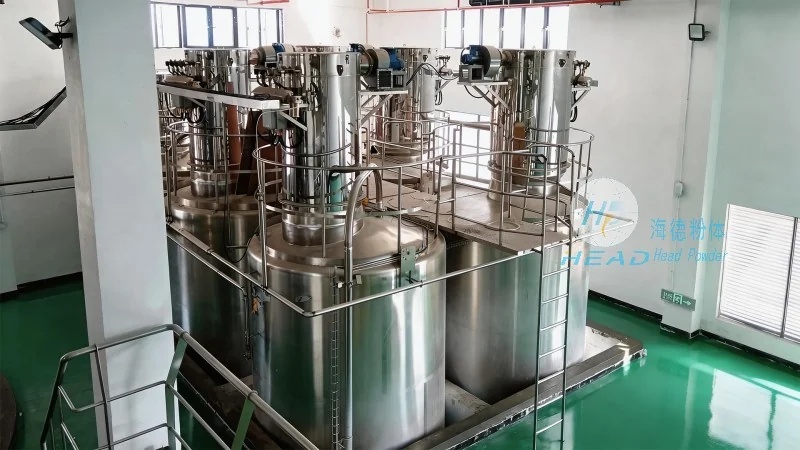
Understanding Pneumatic Conveying Systems for Seasonings
Pneumatic conveying systems use air to transport bulk materials like seasonings, spices, and other food additives. These systems are preferred over traditional methods like belt conveyors or screw conveyors due to their ability to handle fine powders without generating dust or causing product degradation. The core components of a pneumatic conveying system include a feeder, a conveying line, a separator, and a dust collector. Each component must be carefully selected and sized to ensure optimal performance and minimize operational costs.
Key Design Considerations for Seasoning Conveying
The design of a pneumatic conveying system for seasonings involves several critical calculations to ensure safety, efficiency, and product integrity. These calculations typically include determining the required air velocity, pressure drop, and material flow rate. The air velocity must be high enough to prevent material settling but low enough to avoid excessive wear on the system components. Pressure drop calculations help in selecting the appropriate pump or blower capacity, ensuring the system operates within the desired pressure range. Material flow rate calculations are essential to match the production capacity with the conveying system's throughput, preventing bottlenecks or overloading.
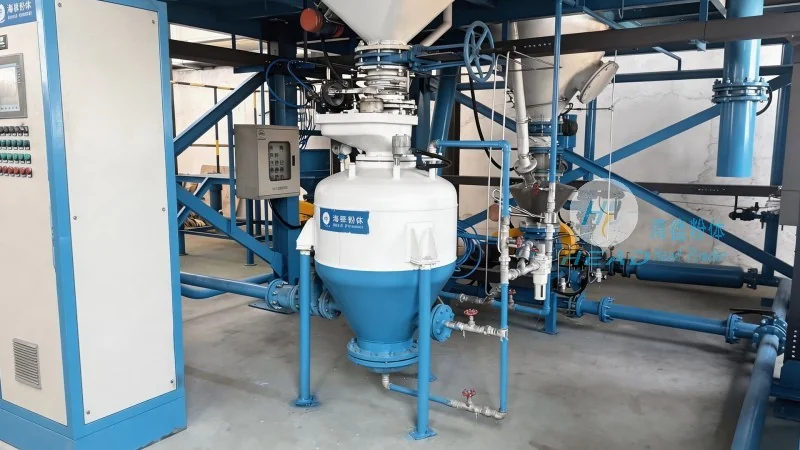
Equipment Selection for Pneumatic Conveying
Choosing the right equipment for a seasoning pneumatic conveying system is a critical step that directly impacts system performance and longevity. The selection process should consider factors such as material properties, conveying distance, and desired throughput. For example, rotary valves or star feeders are commonly used as feeders to provide a consistent material flow into the conveying line. The conveying line itself can be made of stainless steel or other corrosion-resistant materials to handle the acidic or moisture-rich properties of some seasonings. Separators, such as cyclones or bag filters, are essential to separate the conveyed material from the air stream, preventing product loss and maintaining air quality. Dust collectors, often equipped with HEPA filters, ensure compliance with environmental regulations and protect the surrounding environment.
Role of Shandong HeadPowder Engineering Co., Ltd.
Shandong HeadPowder Engineering Co., Ltd., operating under the brand name HeadPowder, specializes in designing and manufacturing customized pneumatic conveying systems for the food industry. With years of experience in handling sensitive materials like seasonings, the company provides comprehensive solutions that meet the unique requirements of each client. Their team of engineers uses advanced design software and industry best practices to develop systems that are not only efficient but also compliant with food safety standards. The company's expertise extends from initial design calculations to on-site installation and commissioning, ensuring that the final system meets all operational and regulatory requirements.
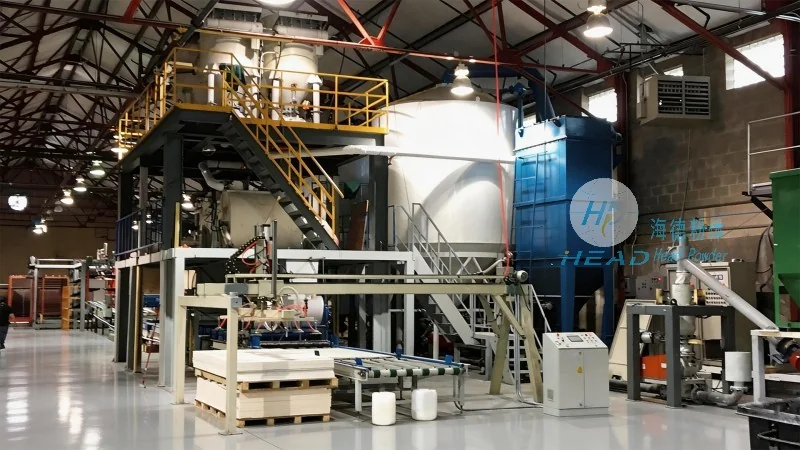
Benefits of Professional Design and Equipment Selection
Investing in a professionally designed and equipped pneumatic conveying system offers numerous benefits for seasoning manufacturers. These systems enhance product quality by minimizing dust and contamination, which is critical for maintaining the purity and flavor of seasonings. They also improve operational efficiency by reducing downtime and increasing throughput. Additionally, well-designed systems lower maintenance costs by using durable components and optimizing energy consumption. By partnering with a reputable company like HeadPowder, businesses can ensure that their pneumatic conveying system is tailored to their specific needs, providing long-term reliability and performance.
Conclusion
Pneumatic conveying systems are an essential component of modern seasoning production facilities, offering a reliable and efficient method for material handling. The design and equipment selection process requires careful consideration of material properties, operational requirements, and industry standards. With the expertise of companies like Shandong HeadPowder Engineering Co., Ltd., manufacturers can achieve optimal performance and cost-effectiveness in their pneumatic conveying systems. By investing in a well-designed system, businesses can enhance product quality, improve operational efficiency, and maintain a competitive edge in the market.