

Design and Calculation of Diatomite Powder Pneumatic Conveying and Equipment Selection
Diatomite powder, a natural sedimentary rock composed of fossilized diatoms, is widely used in various industries due to its high porosity, lightweight, and excellent filtering properties. The efficient handling and transportation of diatomite powder are critical for industrial processes, and pneumatic conveying systems have emerged as a preferred solution for this application. This article provides a comprehensive overview of the design and calculation principles for diatomite powder pneumatic conveying systems, along with equipment selection guidelines, tailored for professionals in the field.
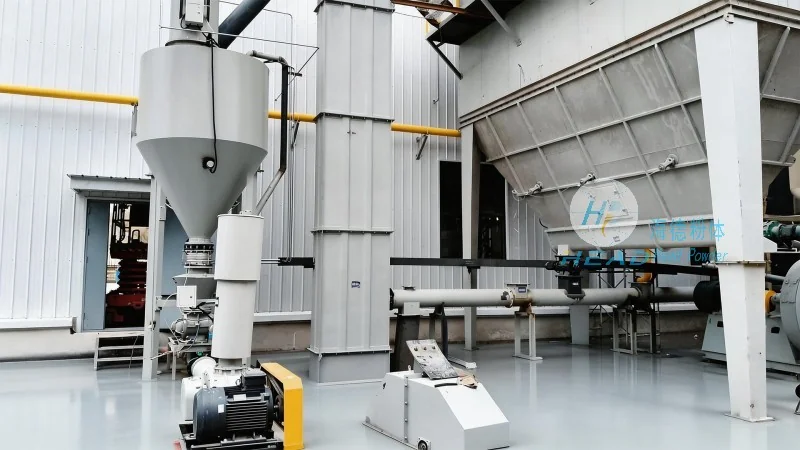
Understanding Diatomite Powder Characteristics for Pneumatic Conveying
Diatomite powder exhibits unique physical and chemical properties that influence the design of pneumatic conveying systems. Its fine particle size, typically ranging from 0.1 to 100 microns, and low bulk density (around 0.2 to 0.5 g/cm³) require specialized considerations. The high surface area and hygroscopic nature of diatomite can affect flowability and dust generation, making it essential to account for these factors during system design. Additionally, diatomite's abrasive properties may impact the wear of conveying components, necessitating the selection of durable materials such as stainless steel or special alloys.
Key Design Parameters and Calculation Methods
The design of a diatomite powder pneumatic conveying system involves several critical parameters, including flow rate, pressure drop, and system layout. The first step is to determine the required material handling capacity, which is calculated based on the production rate and material characteristics. For example, if a plant processes 10 tons of diatomite per hour, the conveying system must be designed to handle this volume efficiently. The air velocity in the pipeline is a key parameter, as it must be sufficient to suspend the powder particles and prevent blockages. Typically, air velocities of 20 to 30 m/s are recommended for diatomite powder, depending on particle size and density. The pressure drop across the system is calculated using the Darcy-Weisbach equation, considering factors such as pipe diameter, length, and fittings. The pressure drop is crucial for determining the required blower or compressor capacity, which is a major cost component in pneumatic conveying systems.
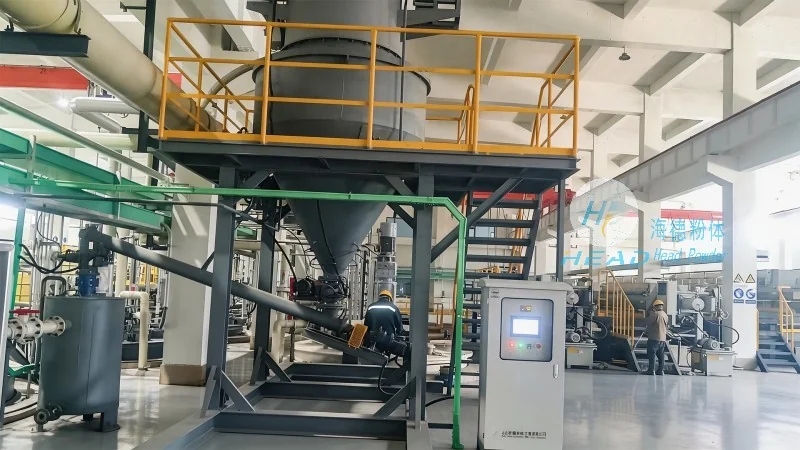
Equipment Selection for Diatomite Powder Pneumatic Conveying
Choosing the right equipment is vital for the reliable operation of a diatomite powder pneumatic conveying system. The primary components include the feed system, conveying pipeline, separation and collection equipment, and the air supply unit. The feed system, such as a rotary valve or a star feeder, is responsible for introducing the powder into the pipeline at a controlled rate. The pipeline material must be selected based on the abrasive nature of diatomite; stainless steel or high-density polyethylene (HDPE) are common choices. The separation equipment, such as cyclones or bag filters, is used to separate the powder from the air stream, ensuring that the powder is recovered and the air is cleaned before release. The air supply unit, typically a positive displacement blower or a centrifugal fan, must be capable of delivering the required air volume and pressure. The selection of the blower type depends on the system's pressure requirements and flow rate. For high-pressure applications, positive displacement blowers are preferred, while centrifugal fans are suitable for lower pressure systems.
System Layout and Installation Considerations
The layout of the pneumatic conveying system significantly impacts its performance and efficiency. The pipeline should be designed to minimize bends and fittings, as each bend introduces additional pressure drop and potential for particle accumulation. The elevation of the pipeline should be considered to ensure that the system operates under gravity-assisted conditions when possible, reducing the energy consumption of the air supply unit. The distance between the feed point and the collection point is another critical factor, as longer pipelines require higher air velocities and more powerful blowers. Additionally, the system should be equipped with pressure relief valves and check valves to prevent overpressure and backflow, respectively. Proper installation and maintenance of the system are essential to ensure long-term reliability and minimize downtime.
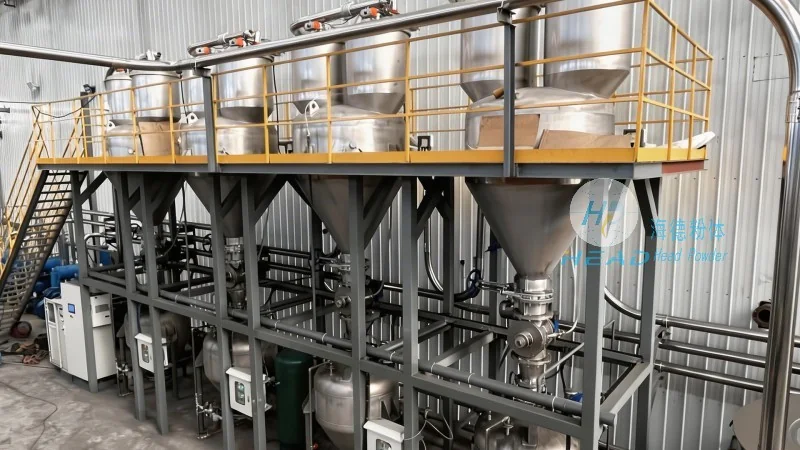
Case Study: HeadPowder's Pneumatic Conveying Solution for Diatomite Powder
Shandong HeadPowder Engineering Co., Ltd., a leading provider of industrial engineering solutions, specializes in designing and manufacturing pneumatic conveying systems for diatomite powder applications. With years of experience in the field, HeadPowder has developed a comprehensive approach to system design, incorporating advanced calculation methods and equipment selection guidelines. The company's engineers work closely with clients to understand their specific requirements, including material handling capacity, system layout, and operational constraints. For example, a client in the filtration industry required a pneumatic conveying system to transport diatomite powder from a storage silo to a processing plant. HeadPowder's team conducted a detailed analysis of the material properties and system requirements, then designed a system with a rotary valve feed system, stainless steel pipeline, and cyclone separator. The system was successfully installed and commissioned, achieving the required flow rate and pressure drop while minimizing energy consumption. The client reported significant improvements in operational efficiency and reduced maintenance costs, highlighting the effectiveness of HeadPowder's solution.
Conclusion and Future Trends
Pneumatic conveying systems offer an efficient and reliable method for handling diatomite powder, and proper design and equipment selection are essential for optimal performance. The key to a successful system lies in understanding the material properties, accurately calculating system parameters, and selecting high-quality equipment. As the demand for diatomite powder continues to grow, the importance of efficient handling systems will only increase. HeadPowder Engineering remains committed to providing innovative solutions for diatomite powder pneumatic conveying, leveraging its expertise and experience to meet the evolving needs of the industry. By adhering to the principles outlined in this article, professionals can design and implement effective pneumatic conveying systems that enhance productivity and reduce operational costs.