

Sweet Potato Pneumatic Conveying Design Calculation and Equipment Selection
For agricultural processing enterprises, especially those involved in sweet potato processing, the selection and design of pneumatic conveying systems are critical to ensuring efficient material handling and processing. This article focuses on the key aspects of sweet potato pneumatic conveying design calculations and equipment selection, providing a comprehensive guide for engineers and technicians in the industry. The content is tailored to help professionals understand the technical principles, calculation methods, and practical considerations for selecting appropriate equipment to meet production requirements.
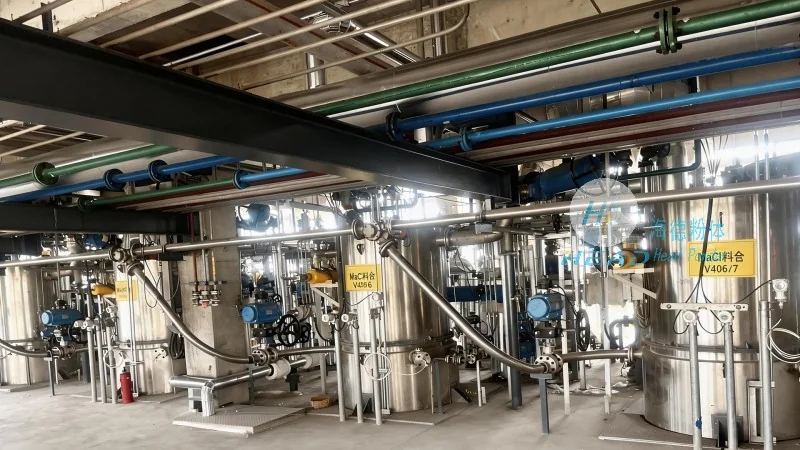
HeadPowder, as a professional engineering company based in Shandong, China, specializes in the design, manufacturing, and installation of pneumatic conveying systems for various bulk materials, including sweet potatoes. With years of experience in the field, our team of experts provides customized solutions that optimize material flow, reduce operational costs, and enhance overall system efficiency. This article will delve into the essential steps of design calculation and equipment selection, integrating practical examples and technical insights to assist in making informed decisions.
Key Design Considerations for Sweet Potato Pneumatic Conveying Systems
When designing a sweet potato pneumatic conveying system, several key factors must be considered to ensure optimal performance and reliability. The first step is to assess the material characteristics of sweet potatoes, such as moisture content, particle size distribution, and bulk density. These properties directly influence the selection of conveying velocity, pressure, and equipment type. For instance, sweet potatoes are typically larger and more irregularly shaped compared to other agricultural products, which may require higher conveying velocities and more robust equipment to prevent blockages or material degradation.
Another critical consideration is the system layout and operational requirements. The distance between the loading and discharge points, the number of transfer points, and the required conveying capacity all impact the design. Engineers must calculate the required air volume and pressure to achieve the desired flow rate while maintaining energy efficiency. This involves using established formulas for pneumatic conveying, such as the pressure drop calculations for horizontal and vertical sections of the pipeline, as well as the power consumption for the air compressor.
Equipment Selection for Sweet Potato Pneumatic Conveying
Equipment selection is a crucial step in the design process, as it directly affects the system's performance, cost, and longevity. The primary components of a pneumatic conveying system include the material feeder, air compressor, pipeline system, and material separator. For sweet potato processing, the material feeder must be capable of handling irregularly shaped and potentially sticky materials without clogging. Options include rotary valves, star feeders, or screw feeders, each with its advantages and limitations depending on the specific application.
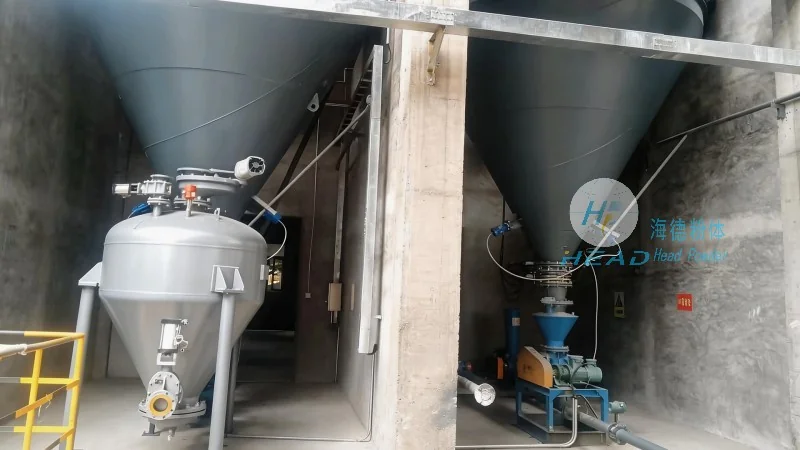
The air compressor is another critical component, as it provides the necessary pressure and volume of air to move the material through the pipeline. The choice between positive displacement compressors (such as rotary lobe or screw compressors) and dynamic compressors (such as centrifugal or axial fans) depends on the system's pressure requirements and flow rate. For sweet potato conveying, where high pressure is often needed to overcome the resistance of the pipeline and material, positive displacement compressors are commonly preferred due to their ability to maintain consistent pressure and flow.
The pipeline system, including the main pipeline and any branch lines, must be designed to handle the specific characteristics of sweet potatoes. Materials like stainless steel or PVC are commonly used for the pipeline to prevent corrosion and material contamination. The pipeline diameter and length are determined based on the required conveying velocity and pressure drop calculations. Additionally, the inclusion of features like expansion joints, bends, and filters is essential to ensure smooth operation and prevent material buildup or air leakage.
Design Calculation Process for Sweet Potato Pneumatic Conveying
The design calculation process involves several steps to determine the optimal system parameters. The first step is to calculate the material flow rate, which is based on the production capacity and the required processing time. This is typically expressed in terms of mass per hour or volume per hour. Next, the conveying velocity is determined, which is the speed at which the material is transported through the pipeline. For sweet potatoes, a typical conveying velocity ranges from 10 to 20 meters per second, depending on the system design and material characteristics.
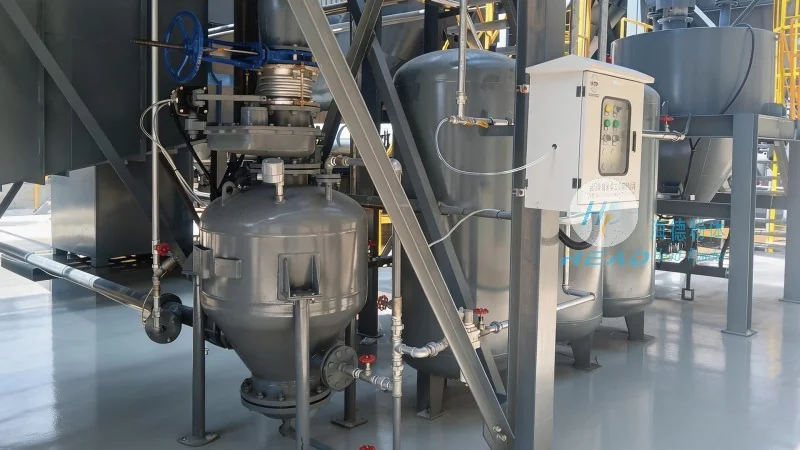
Following the velocity determination, the pressure drop along the pipeline is calculated. This involves considering the friction losses in the horizontal and vertical sections, as well as the losses at bends, valves, and other components. The pressure drop is a critical factor in selecting the appropriate air compressor and ensuring that the system operates within its pressure limits. Engineers use empirical formulas or software tools to accurately calculate the pressure drop, taking into account the material's properties and the pipeline dimensions.
Once the pressure drop is determined, the required air volume and power consumption are calculated. The air volume is the amount of air needed to move the material at the specified velocity, while the power consumption is the energy required to operate the air compressor. These calculations help in selecting the appropriate compressor size and ensuring that the system operates efficiently. Additionally, the system's capacity to handle variations in material flow, such as fluctuations in production or changes in material characteristics, must be considered to ensure reliability and avoid system failures.
HeadPowder's Expertise in Sweet Potato Pneumatic Conveying Solutions
HeadPowder Engineering Co., Ltd., based in Shandong, China, offers comprehensive solutions for sweet potato pneumatic conveying systems. Our team of experienced engineers utilizes advanced design software and methodologies to develop customized systems that meet the specific needs of each client. We provide detailed design calculations, equipment selection recommendations, and installation services to ensure that the final system is efficient, reliable, and cost-effective.
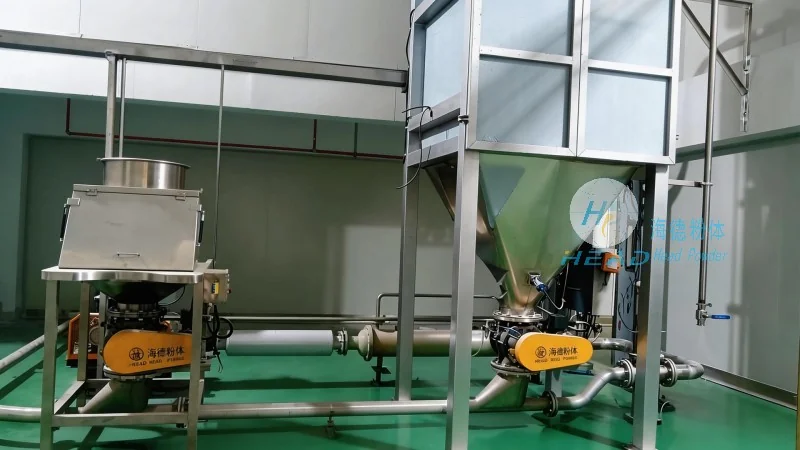
Our approach to sweet potato pneumatic conveying design involves a thorough analysis of the client's requirements, including production capacity, material characteristics, and operational constraints. We then develop a detailed design plan that includes the calculation of conveying velocity, pressure drop, and air volume, as well as the selection of appropriate equipment such as feeders, compressors, and pipelines. This comprehensive approach ensures that the final system meets all performance criteria while minimizing operational costs.
HeadPowder's commitment to quality and customer satisfaction is reflected in our rigorous testing and validation processes. Before delivery, all components are tested to ensure they meet the required specifications, and the entire system is tested under simulated operating conditions to verify its performance. This ensures that clients receive a reliable and efficient system that can be integrated seamlessly into their existing processing lines.
Conclusion and Practical Recommendations
Sweet potato pneumatic conveying systems are an essential part of modern agricultural processing, offering efficient and cost-effective material handling solutions. The design and selection of these systems require a deep understanding of material properties, system dynamics, and equipment capabilities. By following the design calculation steps and considering the key factors outlined in this article, engineers can develop systems that optimize performance, reduce costs, and enhance overall operational efficiency.
For those involved in sweet potato processing, partnering with a professional engineering company like HeadPowder can provide the expertise and support needed to design and implement an effective pneumatic conveying system. Our team of experts is dedicated to providing customized solutions that meet the unique challenges of sweet potato handling, ensuring that clients achieve their production goals while maintaining high standards of quality and efficiency.