

Operation Process and Working Principle of Mixed Positive and Negative Pressure Pneumatic Conveying
HeadPowder, a leading manufacturer based in Shandong, China, specializes in advanced pneumatic conveying solutions. This article provides a detailed overview of the operation process and working principle of mixed positive and negative pressure pneumatic conveying systems, highlighting their efficiency and versatility in material handling applications.
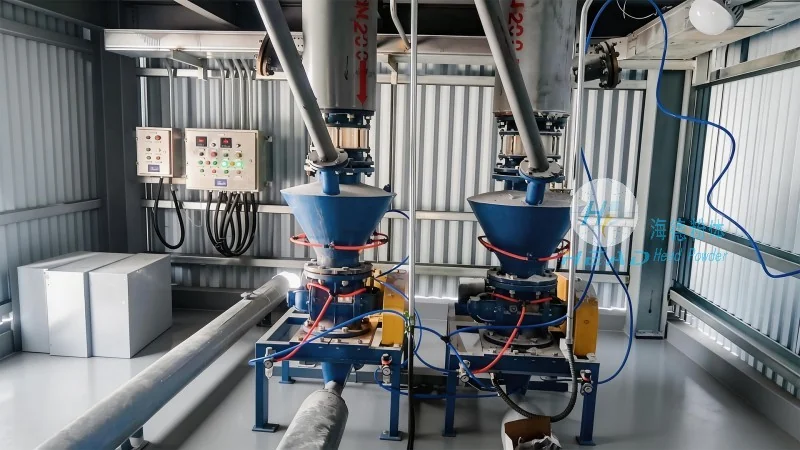
Understanding the Core Concept of Mixed Positive and Negative Pressure Pneumatic Conveying
Mixed positive and negative pressure pneumatic conveying systems represent a sophisticated approach to material transport, combining the advantages of both positive and negative pressure conveying methods. This hybrid system is designed to handle a wide range of materials, from fine powders to bulk solids, with minimal maintenance and high operational efficiency. The system operates by utilizing a combination of pressure differentials to move materials through a pipeline network, ensuring reliable and continuous material flow.
Key Components and Their Functions in the System
The mixed positive and negative pressure pneumatic conveying system consists of several critical components, each playing a vital role in the overall operation. These components include the material feed hopper, the air supply system (including blowers and compressors), the conveying pipeline, the control valves, and the discharge unit. The material feed hopper is responsible for storing and feeding the material into the system, while the air supply system generates the necessary pressure or vacuum to move the material through the pipeline. The control valves regulate the flow of air and material, ensuring smooth operation and preventing blockages. The discharge unit collects the material at the end of the conveying line, completing the process.
Operation Process: Step-by-Step Breakdown
The operation of a mixed positive and negative pressure pneumatic conveying system involves several sequential steps, each contributing to the efficient transport of materials. The process begins with the material being fed into the hopper from the source. The system then activates the air supply, which can operate in either positive or negative pressure mode depending on the material and application requirements. In positive pressure mode, compressed air is introduced into the pipeline, creating a pressure differential that pushes the material forward. Conversely, in negative pressure mode, a vacuum is created at the discharge end, pulling the material through the pipeline. The system may switch between these modes or operate simultaneously to optimize material transport, especially in complex conveying routes with multiple branches or elevation changes.
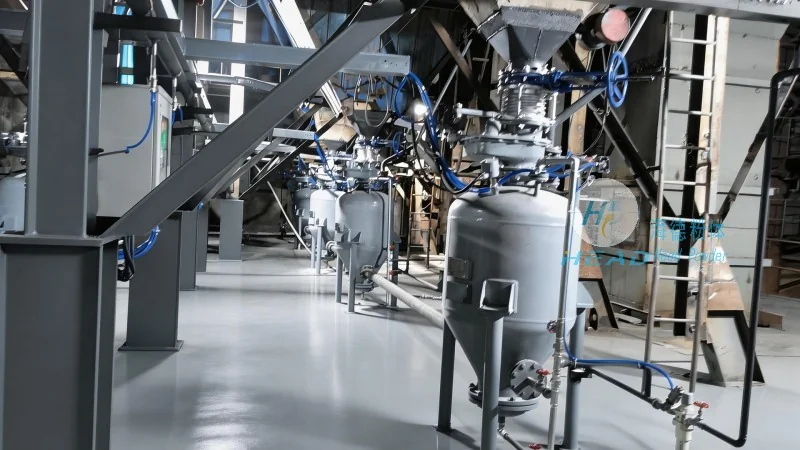
Working Principle: How the System Transfers Material
The working principle of the mixed positive and negative pressure pneumatic conveying system is based on the principles of fluid dynamics and air movement. When the system operates in positive pressure mode, the compressed air creates a high-pressure environment within the pipeline, which forces the material particles to move along with the air stream. The air acts as a carrier, suspending the material particles and transporting them to the discharge point. In negative pressure mode, the vacuum at the discharge end creates a low-pressure area, which draws the material particles into the pipeline. The air flow then carries the material particles to the collection point. The mixed mode combines these two approaches, allowing the system to handle both upward and downward conveying, as well as horizontal transport, with high efficiency. This dual-mode operation ensures that the system can adapt to various material characteristics and conveying distances, making it suitable for a wide range of industrial applications.
Advantages of Mixed Positive and Negative Pressure Pneumatic Conveying Systems
Compared to traditional positive or negative pressure systems, mixed positive and negative pressure pneumatic conveying systems offer several advantages that make them ideal for modern industrial applications. One of the key benefits is their ability to handle a broader range of materials, including abrasive, corrosive, or temperature-sensitive substances, without causing damage or degradation. The system's flexibility in operating modes allows for efficient transport over long distances and through complex layouts, reducing the need for multiple transfer points and minimizing material loss. Additionally, the mixed pressure approach results in lower energy consumption compared to single-mode systems, as the system can adjust the pressure levels to match the specific requirements of the material and the conveying route. This energy efficiency translates into cost savings for the end-user and a more sustainable operation.
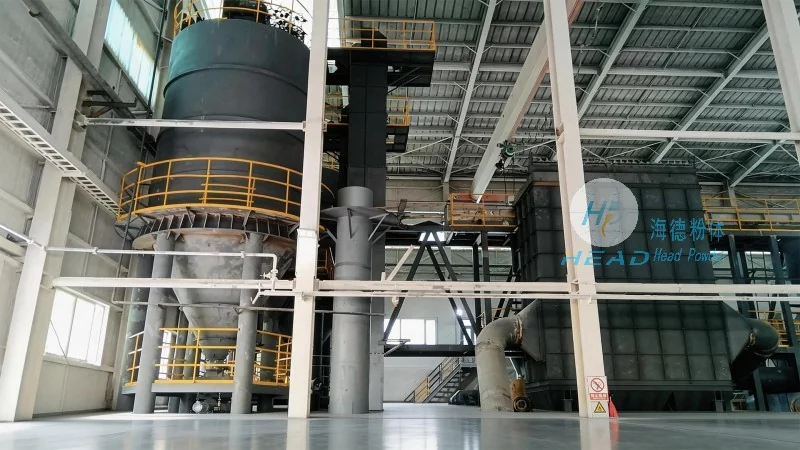
Applications and Industries Where This Technology Is Used
Mixed positive and negative pressure pneumatic conveying systems are widely used in various industries that require reliable and efficient material handling solutions. These industries include pharmaceuticals, food processing, chemical manufacturing, and mining. In the pharmaceutical industry, the system is used to transport powders and granules with high purity requirements, ensuring that the materials are handled in a sterile and controlled environment. In food processing, the system is employed to convey ingredients such as flour, sugar, and spices, maintaining the quality and freshness of the products. In chemical manufacturing, the system handles a variety of chemicals, including powders and slurries, while adhering to strict safety and environmental regulations. In the mining industry, the system is used to transport bulk materials such as coal, ore, and minerals over long distances, improving operational efficiency and reducing labor costs.
Maintenance and Operational Considerations
To ensure the long-term performance and reliability of a mixed positive and negative pressure pneumatic conveying system, proper maintenance and operational considerations are essential. Regular maintenance tasks include checking the air supply system for leaks or pressure drops, inspecting the conveying pipeline for blockages or wear, and cleaning the material feed hopper and discharge unit to prevent material buildup. The system's control valves should be checked for proper operation and adjusted as needed to maintain optimal flow rates. Additionally, the system should be monitored for any signs of abnormal operation, such as excessive pressure or vacuum, which may indicate a problem with the material or the system components. By following these maintenance procedures and operational guidelines, the system can operate efficiently and reliably, minimizing downtime and maximizing productivity.
Conclusion: The Future of Material Handling with Mixed Positive and Negative Pressure Pneumatic Conveying
HeadPowder's mixed positive and negative pressure pneumatic conveying systems represent a significant advancement in material handling technology, offering a versatile and efficient solution for a wide range of industrial applications. By combining the benefits of both positive and negative pressure conveying methods, the system provides superior performance, lower energy consumption, and enhanced material handling capabilities. As industries continue to demand more efficient and sustainable solutions, mixed positive and negative pressure pneumatic conveying systems are poised to play a crucial role in the future of material transport. With its commitment to quality and innovation, HeadPowder remains at the forefront of developing advanced pneumatic conveying solutions that meet the evolving needs of modern industry.