

Operation Process and Working Principle of Intelligent Pneumatic Conveying Machine for Ingredient Fe
HeadPowder, a leading manufacturer based in Shandong, China, specializes in the design and production of advanced pneumatic conveying systems. The intelligent ingredient feeding pneumatic conveying machine is a core product in our portfolio, engineered to meet the precise demands of modern industrial applications.
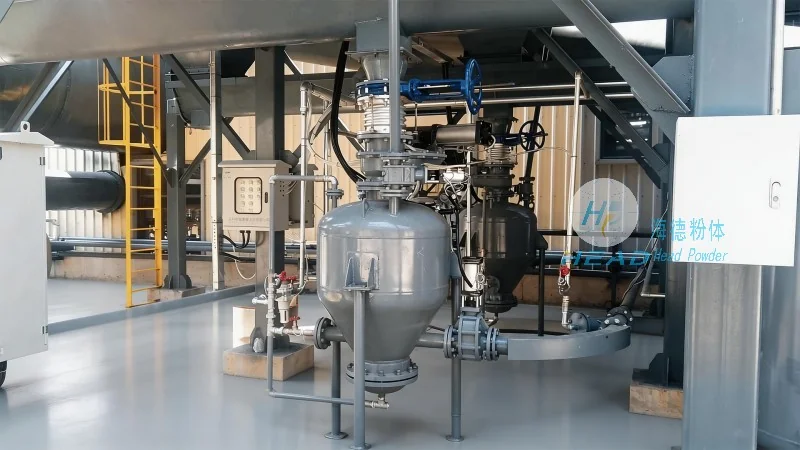
Overview of the Intelligent Pneumatic Conveying Machine
This equipment is specifically designed for the efficient and controlled transportation of bulk materials, such as powders and granules, within industrial settings. The machine integrates advanced control systems and optimized air flow management to ensure reliable operation and minimal material loss. As a key component in material handling processes, it enhances productivity and reduces downtime in various production lines.
Key Components and Their Functions
The intelligent pneumatic conveying machine comprises several critical components that work in tandem to achieve seamless material transport. These include the hopper for material storage, the air compressor or blower to generate the necessary air pressure, the conveying pipeline, and the control unit for monitoring and adjusting the system parameters. Each component is meticulously engineered to ensure durability and performance under demanding operational conditions.
Operation Process: Step-by-Step Guide
The operation of the intelligent ingredient feeding pneumatic conveying machine follows a systematic process that ensures consistent and efficient material handling. The steps are as follows:
Material Loading: The bulk material is fed into the hopper from the storage silo or container. The hopper is equipped with a feeding mechanism, such as a screw feeder or rotary valve, to regulate the material flow into the conveying system.
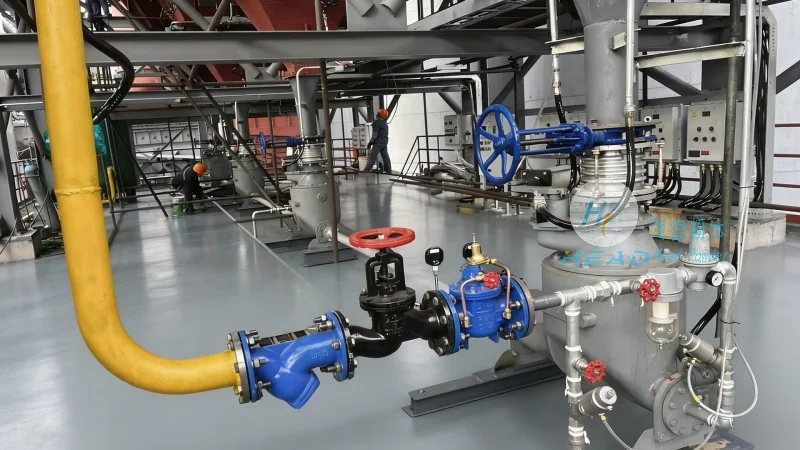
Air Compression: The air compressor or blower starts operation, generating a high-pressure air stream. This air is directed into the conveying pipeline, creating a pressure differential that propels the material particles forward.
Material Conveyance: As the air flows through the pipeline, it entrains the material particles, forming a dense phase or dilute phase flow depending on the system design. The material is transported from the inlet to the outlet of the pipeline, reaching the destination silo or processing unit.
Control and Monitoring: The integrated control unit continuously monitors parameters such as air pressure, flow rate, and material level. It adjusts the air compressor speed or valve position to maintain optimal conveying conditions, preventing overloading or under-conveying.
Discharge and Dosing: At the receiving end, the material is discharged into the target container or processing equipment. The system may include a dosing mechanism to control the precise amount of material delivered, ensuring accurate ingredient feeding in production processes.
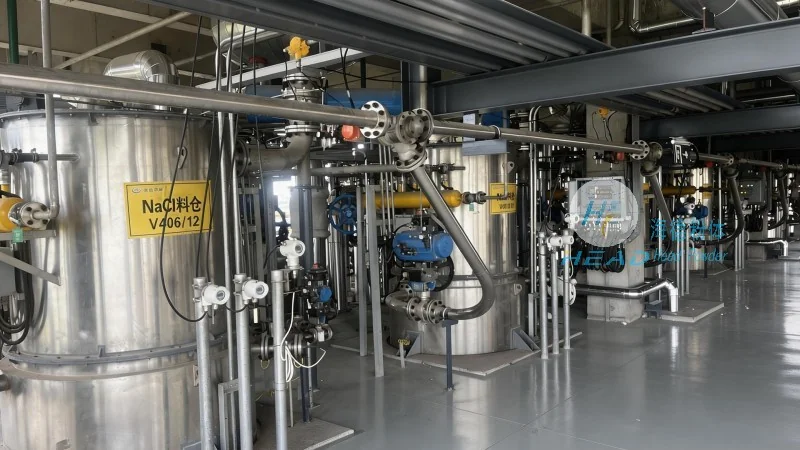
Working Principle: How It Works
The working principle of the intelligent pneumatic conveying machine is based on the fundamental concept of pneumatic transport, where air is used as the medium to move solid materials. The system operates on the principle of creating a pressure difference between the inlet and outlet of the conveying pipeline. By maintaining a higher pressure at the inlet and lower pressure at the outlet, the air flow creates a force that propels the material particles through the pipeline. The intelligent control system enhances this process by dynamically adjusting the air pressure and flow rate based on real-time operational data, ensuring efficient and reliable material transport.
Advantages of the Intelligent Pneumatic Conveying Machine
The intelligent ingredient feeding pneumatic conveying machine offers several advantages over traditional material handling methods. These include:
Enhanced Efficiency: The automated control system minimizes human intervention, reducing operational errors and increasing production throughput.
Reduced Material Loss: The sealed conveying system prevents material spillage and contamination, maintaining product quality and reducing waste.
Flexible and Scalable: The system can be easily adjusted to handle different material types and quantities, making it suitable for various industrial applications.
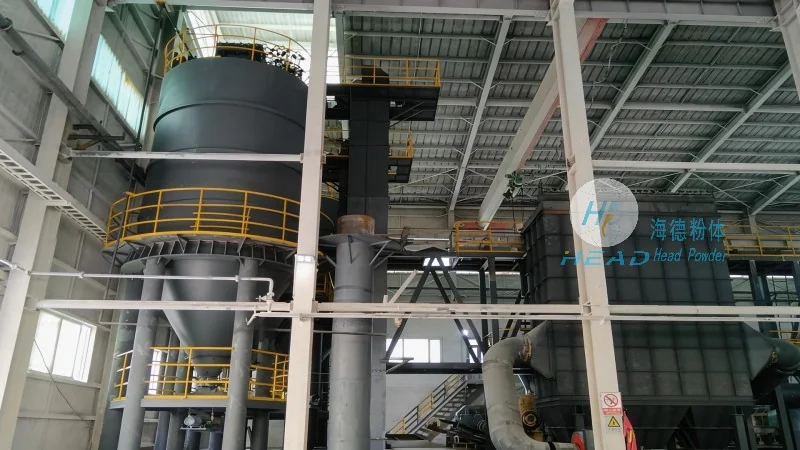
Low Maintenance: Advanced components and robust construction result in lower maintenance requirements and longer equipment lifespan.
Energy Efficiency: Optimized air flow management and energy-saving control strategies reduce operational costs and environmental impact.
Applications in Industrial Settings
The intelligent pneumatic conveying machine is widely used in various industries, including food and beverage, pharmaceuticals, chemicals, and mining. In the food industry, it is employed for the transportation of ingredients such as flour, sugar, and spices, ensuring hygienic and efficient handling. In the pharmaceutical sector, it facilitates the transport of active pharmaceutical ingredients (APIs) and excipients with high precision and minimal contamination risk. The machine's ability to handle sensitive materials makes it a preferred choice in industries where product quality and safety are paramount.
Conclusion
HeadPowder's intelligent pneumatic conveying machine for ingredient feeding represents a sophisticated solution for modern material handling challenges. By combining advanced technology with robust engineering, the machine ensures reliable, efficient, and cost-effective operation. With its intelligent control features and versatile design, it meets the evolving demands of industrial applications, providing a competitive edge to businesses in various sectors. HeadPowder, with its headquarters in Shandong, China, continues to innovate and deliver high-quality equipment that enhances productivity and operational excellence.