

Operation Process and Working Principle of Limestone Powder Pneumatic Conveying Equipment
Shandong HeadPowder Engineering Co., Ltd., a professional manufacturer based in Shandong, China, specializes in the design and production of pneumatic conveying systems. The company's expertise lies in providing efficient solutions for handling limestone powder and other fine powders, ensuring reliable and dust-free material transport in industrial settings.
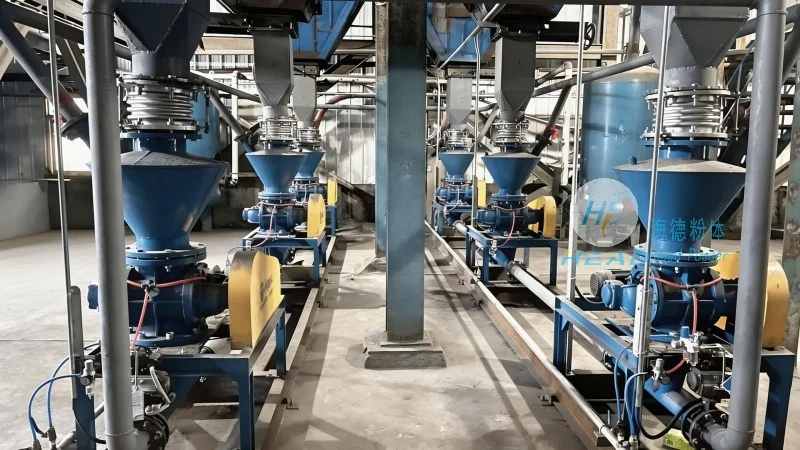
Overview of Limestone Powder Pneumatic Conveying Equipment
Limestone powder pneumatic conveying equipment is a critical component in industries that rely on fine powder handling. The system is designed to transport limestone powder from a source to a destination using air as the conveying medium. This technology offers significant advantages over traditional methods, such as reduced labor costs and improved safety by eliminating manual handling of powders.
The Operation Process of the Equipment
The operation of a limestone powder pneumatic conveying system involves a series of coordinated steps. Initially, the limestone powder is stored in a hopper or silo. From there, the powder is fed into the conveying pipeline through a feeder. The system then activates a blower or compressor, which generates a high-pressure air stream. This air stream carries the powder particles through the pipeline to the receiving hopper or processing unit. The process is continuous, allowing for a steady flow of material without interruptions. The speed and pressure of the air are carefully controlled to ensure the efficient and safe transport of the limestone powder.
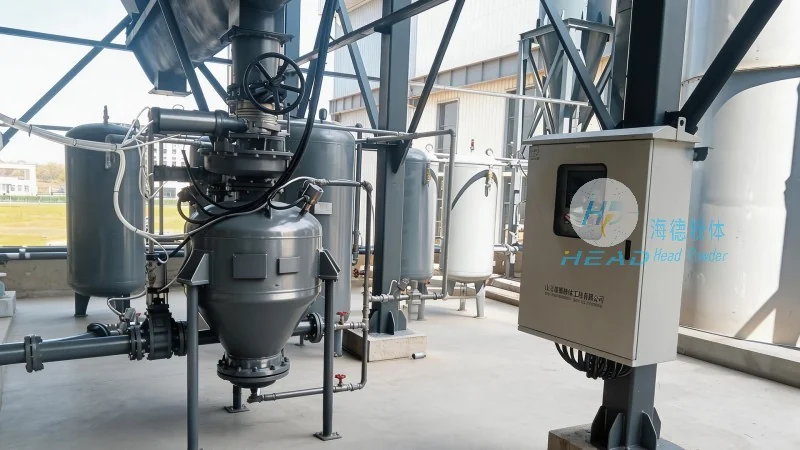
Working Principle of the Equipment
The working principle of the pneumatic conveying equipment is based on the fundamental principle of air flow and particle movement. There are two primary types of pneumatic conveying systems: positive pressure and negative pressure. In positive pressure systems, the air is forced into the pipeline, creating a pressure that pushes the powder particles along the path. This method is commonly used for short to medium distance conveying. In negative pressure systems, the air is drawn out of the pipeline, creating a vacuum that pulls the powder particles. This approach is often used for longer distances or when the material needs to be transported from multiple sources to a single destination. The design of the system, including the size of the pipeline, the air velocity, and the hopper design, all play a crucial role in determining the efficiency and effectiveness of the conveying process.
Key Components and Their Functions
The limestone powder pneumatic conveying system consists of several key components, each with a specific function. The hopper or silo serves as the storage and feeding unit, ensuring a consistent supply of powder. The feeder controls the flow rate of the powder into the pipeline, preventing overloading or underloading. The blower or compressor generates the necessary air pressure to move the powder. The pipeline transports the powder and air mixture to the destination. The receiving hopper collects the powder at the end of the conveying line. Each component must be properly designed and maintained to ensure the overall system operates efficiently and reliably.
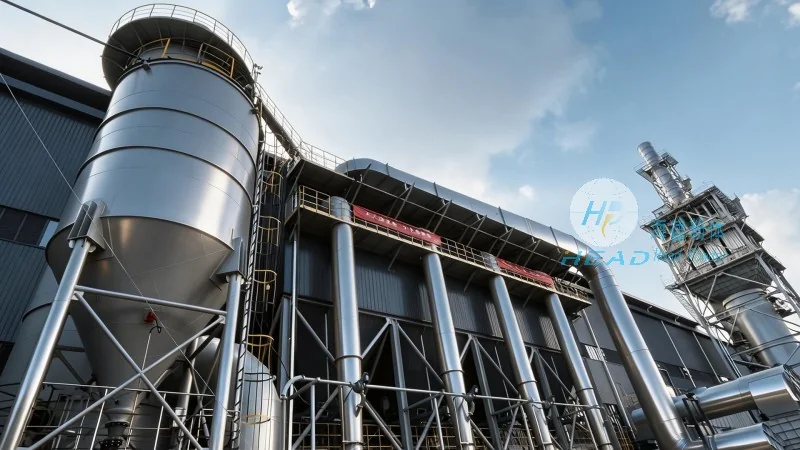
Advantages of Using Limestone Powder Pneumatic Conveying Equipment
There are several advantages to implementing a limestone powder pneumatic conveying system. First, the enclosed system prevents dust from entering the environment, reducing the risk of respiratory issues for workers and minimizing environmental pollution. Second, the system is highly efficient, with minimal material loss during transport. Third, it is flexible and can be easily integrated into existing production lines. Fourth, the system reduces labor costs by automating the material handling process. These advantages make the equipment a preferred choice for industries that require reliable and safe powder transport.
Applications in Industrial Settings
Limestone powder pneumatic conveying systems are widely used in various industrial applications. In the cement industry, the system efficiently transports limestone to grinding mills, ensuring a consistent supply of raw material for cement production. In chemical manufacturing, the equipment is used to transport limestone for various chemical reactions, improving the overall production efficiency. In food processing, the system helps in the transport of limestone used as a filler or ingredient, maintaining hygiene and safety standards. The versatility of the system makes it suitable for a wide range of applications across different industries.
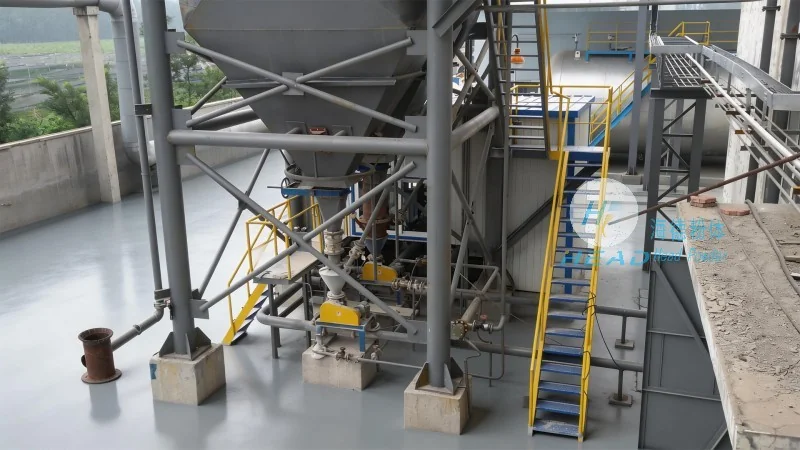
Maintenance and Troubleshooting
Proper maintenance is essential to ensure the long-term performance and reliability of the limestone powder pneumatic conveying equipment. Regular cleaning of the hopper and pipeline is necessary to prevent clogging and ensure smooth powder flow. The blower or compressor should be inspected regularly to check for wear and tear, and the air filter should be replaced as needed to maintain optimal air quality. Any signs of system inefficiency, such as reduced conveying speed or increased pressure drop, should be addressed promptly. Regular maintenance can help prevent major system failures and extend the lifespan of the equipment.
Conclusion
Shandong HeadPowder Engineering Co., Ltd. provides high-quality limestone powder pneumatic conveying equipment that meets the needs of various industrial applications. The system's efficient operation, dust-free environment, and flexible design make it an ideal solution for handling limestone powder. By understanding the operation process and working principle of the equipment, industries can make informed decisions about implementing this technology to improve their production processes and enhance safety standards.