

Operation Process and Working Principle of Aggregate Pneumatic Conveying Equipment
Aggregate pneumatic conveying equipment plays a crucial role in modern material handling systems, particularly in the transportation of bulk materials such as aggregates, powders, and granules. This technology offers a flexible and efficient solution for moving materials over short to medium distances, often in industrial settings like construction, mining, and manufacturing. The operation process and working principle of such equipment are fundamental to understanding its functionality and optimizing its performance.
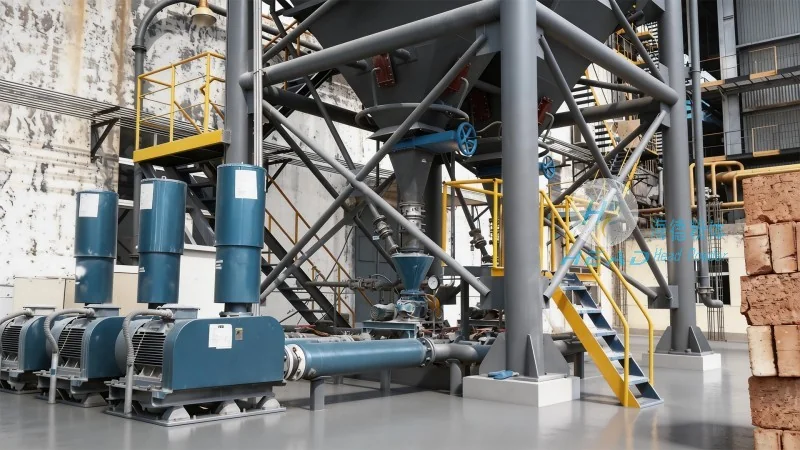
Working Principle of Pneumatic Conveying Systems
The core principle of pneumatic conveying is the use of air or gas to transport solid materials through a pipeline. There are two primary types of systems based on pressure: positive pressure (or pressure) systems and negative pressure (or vacuum) systems. In positive pressure systems, compressed air is introduced at the material inlet, creating a high-pressure environment that propels the material forward. The air and material mixture travels through the pipeline, with the air providing the necessary force to overcome friction and gravity. On the other hand, negative pressure systems use a vacuum at the discharge end to draw material from the source into the pipeline. The choice between these systems depends on factors like material characteristics, distance, and system complexity. For aggregate handling, positive pressure systems are commonly preferred due to their ability to handle abrasive materials and maintain consistent flow rates. The system typically includes components such as a feeder, air compressor, conveying pipeline, and a separator. The feeder ensures a steady supply of aggregate, while the air compressor generates the required pressure. The pipeline may have various configurations, including straight sections, bends, and expansions, to accommodate changes in direction and flow dynamics. The separator at the discharge end separates the material from the air, often using a cyclone or a filter, and collects the aggregate in a receiving hopper. The air, now free of particles, is either recirculated back to the system or vented to the atmosphere, depending on the design.
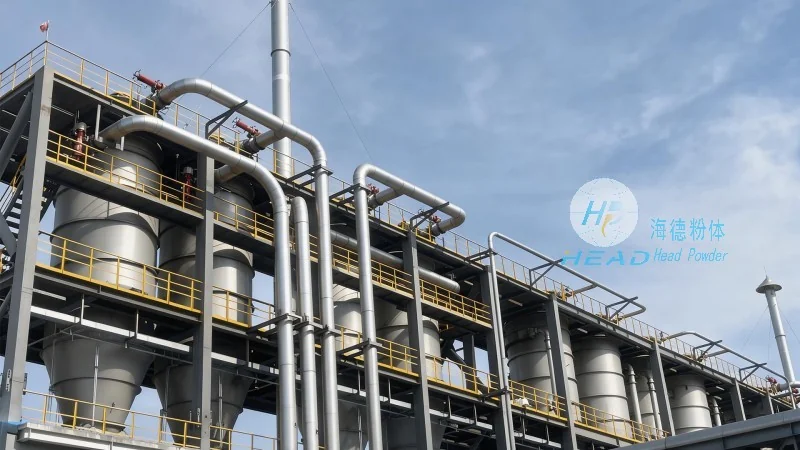
Operation Process of Aggregate Pneumatic Conveying Equipment
The operation process of aggregate pneumatic conveying equipment involves several sequential steps that ensure efficient material transport. The first step is material feeding, where aggregate is introduced into the system via a hopper or a feeder. The feeder controls the flow rate, preventing overloading or underloading, which could affect the system's performance. Next, the material is mixed with air in the inlet section. In a positive pressure system, compressed air is introduced at a controlled pressure, typically ranging from 0.5 to 1.5 bar, depending on the material and pipeline length. The air and material mixture then travels through the conveying pipeline. As the material moves through the pipeline, it experiences drag forces from the air, which help propel it forward. The pipeline may include bends or changes in diameter to adjust the flow. At the discharge end, the material is separated from the air using a separator, such as a cyclone or a bag filter. The separator uses centrifugal force to separate the heavier aggregate particles from the lighter air. The separated material is collected in a receiving hopper, while the air is either recirculated or vented. The entire process is monitored by a control system, which adjusts parameters like air pressure, flow rate, and temperature to maintain optimal operation. This control system ensures that the conveying process is consistent and reliable, minimizing downtime and maximizing throughput.
About HeadPowder: Expert in Pneumatic Conveying Solutions
HeadPowder, formally known as Shandong HeadPowder Engineering Co., Ltd., is a reputable company based in Shandong, China, specializing in the design, manufacturing, and installation of aggregate pneumatic conveying equipment. With a strong focus on innovation and quality, HeadPowder has established itself as a leading provider in the industry. The company's team of experienced engineers and technicians leverages advanced technology and rigorous quality control measures to develop customized solutions tailored to the specific needs of clients. HeadPowder's product line includes a range of pneumatic conveying systems suitable for various applications, from small-scale operations to large industrial facilities. The company offers comprehensive services, including system design, equipment manufacturing, installation, and after-sales support. By collaborating closely with clients, HeadPowder ensures that the conveying systems meet the highest standards of performance, durability, and efficiency. The company's commitment to customer satisfaction and technical excellence has earned it a reputation for reliability and trustworthiness in the market.
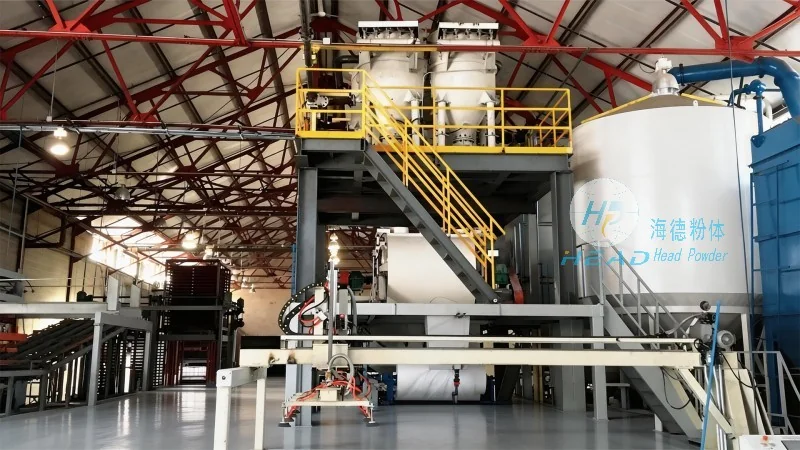
Key Advantages and Features of Aggregate Pneumatic Conveying Equipment
Aggregate pneumatic conveying equipment offers several key advantages over traditional mechanical conveying methods. One of the most significant benefits is its ability to handle abrasive materials, such as aggregates, without causing excessive wear and tear on the equipment. The air-based system minimizes mechanical contact, extending the lifespan of components like pipelines and separators. Another advantage is the flexibility of the system, which allows for changes in material flow direction and distance without major modifications. This adaptability is particularly valuable in complex industrial layouts where space and layout constraints are common. The system also provides better control over material handling, enabling precise regulation of flow rates and pressure. This control is essential for maintaining consistent product quality and preventing material degradation. Additionally, pneumatic conveying can be integrated with other processing equipment, such as mixers or crushers, creating a seamless material handling process. The environmental benefits are also notable, as the system can be designed to minimize dust emissions and comply with environmental regulations. By using air as the primary transport medium, the system reduces the need for mechanical parts, leading to lower maintenance costs and higher operational efficiency. Overall, aggregate pneumatic conveying equipment is a cost-effective and efficient solution for modern material handling needs, offering improved performance, reduced downtime, and enhanced productivity.