

Operation Process and Working Principle of Ceramic Pneumatic Conveying Equipment
For industries dealing with ceramic materials, efficient material handling is crucial. The ceramic pneumatic conveying equipment from Shandong HeadPowder Engineering Co., Ltd. offers a reliable solution. This article explores the operation process and working principle of such equipment, highlighting its key features and benefits.
Introduction to Ceramic Pneumatic Conveying Equipment
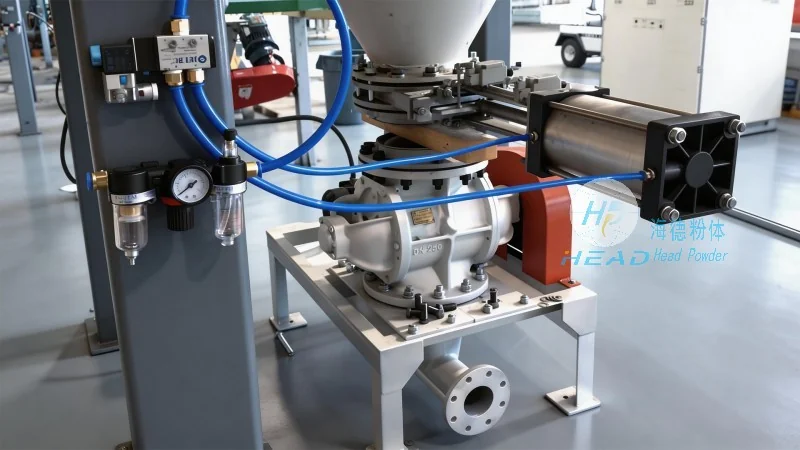
Ceramic pneumatic conveying systems are designed to transport fine or powdery ceramic materials through a pipeline using compressed air. The equipment from HeadPowder, a leading manufacturer based in Shandong, China, is engineered to handle the unique challenges associated with ceramic powders, such as high abrasiveness and sensitivity to moisture. By leveraging advanced technology, these systems ensure minimal material degradation and optimal performance in various industrial applications.
Working Principle of Pneumatic Conveying Systems
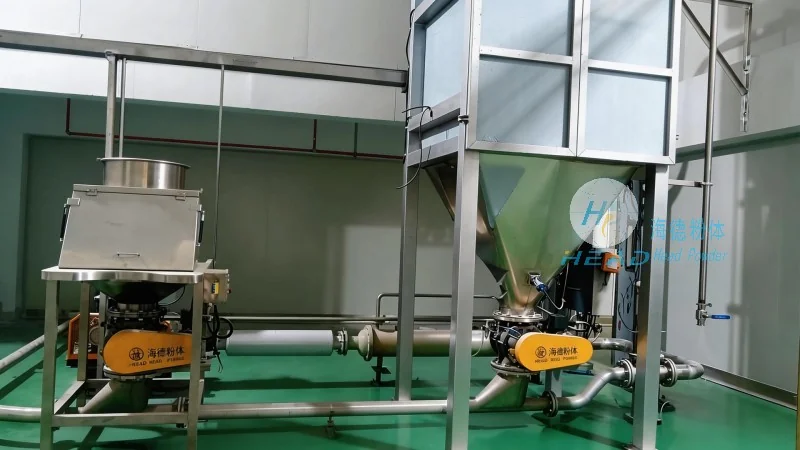
The core working principle of ceramic pneumatic conveying equipment involves the use of a blower or compressor to generate airflow within a sealed pipeline. As the air flows through the system, it creates a pressure differential that propels the ceramic particles forward. The system typically consists of a hopper for material storage, a feeder to control the flow rate, and a series of pipes with appropriate fittings and valves. The design ensures that the ceramic particles are conveyed smoothly without clogging or excessive wear on components.
Key Components and Their Functions
Several critical components work together to ensure the efficient operation of ceramic pneumatic conveying equipment. The hopper serves as the storage container, holding the ceramic material ready for transport. The feeder, often a rotary valve or a screw feeder, regulates the material flow into the pipeline, preventing overloading and maintaining consistent conveying rates. The pipeline itself is constructed from durable materials, such as stainless steel or special alloys, to withstand the abrasive nature of ceramic particles. Additionally, the system includes filters and cyclones to separate the conveyed material from the air, ensuring clean and dry material delivery at the destination.
Operation Process of the Equipment
The operation process of ceramic pneumatic conveying equipment begins with loading the ceramic material into the hopper. The feeder then starts, controlling the flow rate based on the desired conveying capacity. The blower or compressor activates, generating the necessary airflow to move the material through the pipeline. As the material travels, it is propelled by the air pressure, and the system's design minimizes friction and wear. At the receiving end, a cyclone or filter separates the ceramic particles from the air, allowing the material to be deposited into a container or processing unit. The entire process is automated, with controls that adjust parameters like air pressure and flow rate to maintain optimal performance.
Application Scenarios and Benefits
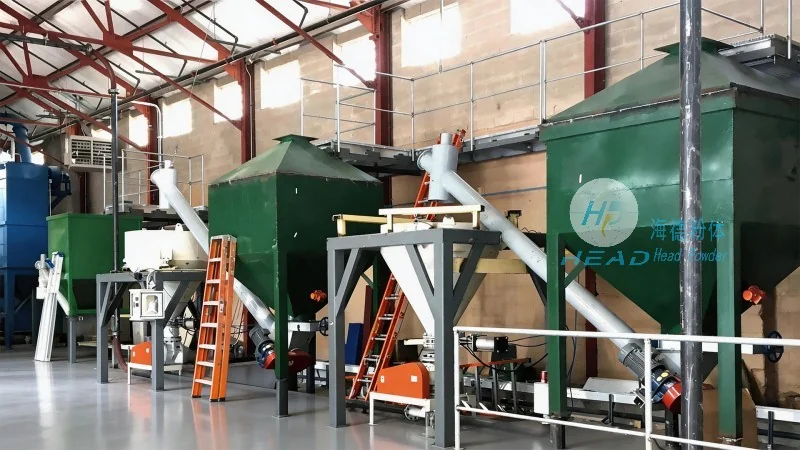
Ceramic pneumatic conveying equipment is widely used in various industries, including ceramics manufacturing, pharmaceuticals, and food processing. The primary benefits include reduced labor costs, improved material handling efficiency, and enhanced product quality. Unlike traditional methods like bucket elevators or belt conveyors, pneumatic systems eliminate the need for physical contact with the material, minimizing contamination and degradation. Additionally, the compact design of these systems saves space in industrial facilities, making them suitable for both new installations and retrofitting existing processes.
Technical Specifications and Performance Parameters
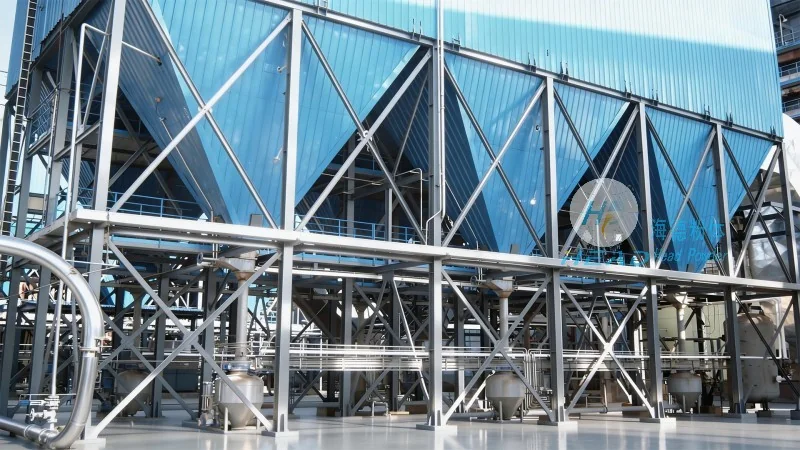
The ceramic pneumatic conveying equipment from Shandong HeadPowder Engineering Co., Ltd. is available in various models tailored to specific application requirements. Key technical specifications include conveying capacity ranging from 0.5 to 50 tons per hour, depending on the material type and system design. The equipment operates at air pressures typically between 0.5 to 1.5 bar, with adjustable airflow rates to match the material's characteristics. Performance parameters such as material velocity, pipeline length, and system efficiency are optimized to ensure reliable and consistent operation. The company's engineering team provides customized solutions, ensuring that the equipment meets the unique needs of each client.
Maintenance and Safety Considerations
To ensure long-term performance and safety, regular maintenance of ceramic pneumatic conveying equipment is essential. This includes inspecting and cleaning the hopper and feeder to prevent material buildup, checking the blower or compressor for proper operation, and maintaining the pipeline and filters. The system should be equipped with safety features such as pressure relief valves and emergency shut-off switches to prevent accidents. Additionally, the equipment should be operated by trained personnel who understand the principles of pneumatic conveying and the specific requirements of ceramic materials. Proper maintenance and safety protocols help extend the equipment's lifespan and ensure consistent performance in industrial settings.