

Operation Process and Working Principle of Pepper Powder Pneumatic Conveying Equipment
Pepper powder is a widely used spice in the food industry, and its efficient handling and transportation are crucial for maintaining product quality and operational efficiency. The pneumatic conveying equipment designed for pepper powder offers a reliable solution that ensures safe and effective movement of the material from one location to another. This article explores the operation process and working principle of such equipment, highlighting the key components and the steps involved in its operation.

Overview of Pepper Powder Pneumatic Conveying Equipment
The pneumatic conveying system for pepper powder is engineered to handle fine, dry powders like pepper without causing degradation or contamination. It typically consists of a series of components including a hopper, a feeder, a conveying line, a filter, and a receiver. Each component plays a vital role in the overall process, ensuring that the pepper powder is transported smoothly and efficiently. The system is designed to be flexible and can be customized to meet the specific needs of different production environments.
Key Components and Their Functions
1. Hopper: The hopper is the storage container where the pepper powder is held before being conveyed. It is usually made of stainless steel to prevent contamination and ensure durability. The hopper is equipped with a lid and a discharge valve that allows the material to be released into the feeder. The design of the hopper ensures that the powder flows evenly and prevents clogging, which is essential for consistent operation.
2. Feeder: The feeder is responsible for controlling the flow rate of the pepper powder from the hopper into the conveying line. It can be a rotary valve, a screw feeder, or a vibratory feeder, depending on the system requirements. The feeder maintains a steady flow of material, preventing overloading or underloading of the conveying line, which could affect the system's performance.
3. Conveying Line: The conveying line is the main component that transports the pepper powder through the system. It is usually made of stainless steel or plastic, depending on the material being conveyed. The line is connected to a blower or a vacuum pump that provides the necessary air pressure or suction to move the powder. The design of the line, including the diameter and length, is crucial for maintaining the velocity of the air and the powder, ensuring efficient transport.
4. Filter: The filter is installed at the end of the conveying line to separate the pepper powder from the air. It captures the fine particles and returns them to the receiver, while allowing the clean air to be discharged. The filter is an essential component for maintaining the purity of the pepper powder and preventing dust contamination in the environment.
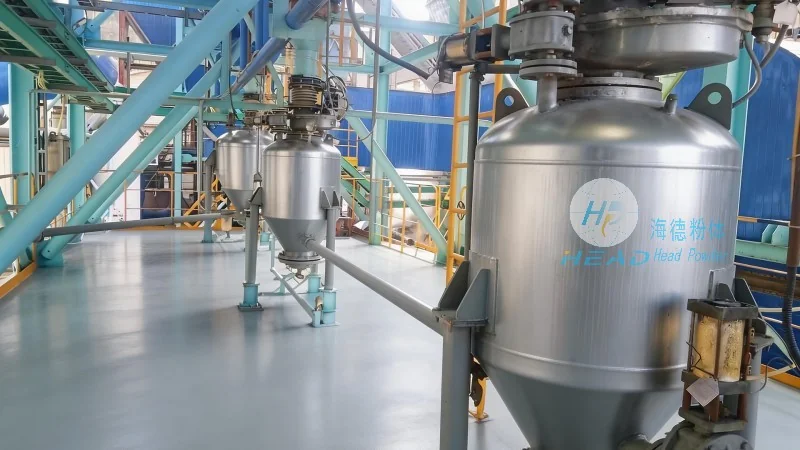
5. Receiver: The receiver is the final container where the conveyed pepper powder is collected. It is usually connected to the filter and is designed to hold the material until it is transferred to the next processing stage. The receiver may also include a discharge valve or a conveyor to facilitate the transfer of the material.
The Operation Process of Pepper Powder Pneumatic Conveying Equipment
The operation of the pneumatic conveying equipment for pepper powder involves several steps that are coordinated to ensure smooth and continuous transport. The process typically starts with the material being loaded into the hopper. The feeder then controls the flow rate, and the blower provides the necessary air pressure to move the powder through the conveying line. The powder is carried by the air stream and reaches the filter, where it is separated from the air. The filtered powder is then collected in the receiver, ready for further processing or packaging.
During the operation, the system monitors key parameters such as air pressure, flow rate, and temperature to ensure optimal performance. Any deviations from the set parameters are detected and adjusted automatically to maintain the efficiency of the process. The system is designed to be user-friendly, with controls that allow operators to adjust the settings according to the specific requirements of the pepper powder being handled.
Working Principle of the Pneumatic Conveying System
The working principle of the pneumatic conveying system for pepper powder is based on the use of air as the conveying medium. The system can operate in either pressure or vacuum mode, depending on the application. In pressure mode, the blower creates a positive pressure in the conveying line, pushing the powder forward. In vacuum mode, the vacuum pump creates a negative pressure, pulling the powder into the line. The choice between pressure and vacuum mode depends on factors such as the distance to be covered, the height of the conveying line, and the characteristics of the pepper powder.
The key to the efficiency of the system is the velocity of the air and the powder. The air velocity must be high enough to keep the powder particles suspended and prevent them from settling in the line. However, it should not be too high, as this could cause excessive wear and tear on the components and increase energy consumption. The system is designed to achieve the optimal air velocity for the specific material being conveyed, ensuring that the powder is transported efficiently without causing damage to the equipment.
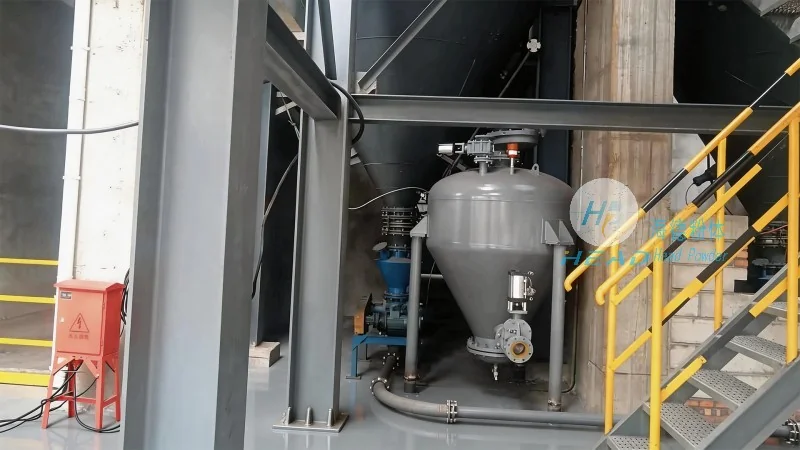
Benefits of Using Pepper Powder Pneumatic Conveying Equipment
Implementing a pneumatic conveying system for pepper powder offers several benefits that enhance the overall efficiency and quality of the production process. First, it provides a dust-free and hygienic environment, which is essential for maintaining the quality of the spice. The system prevents the powder from being exposed to air, reducing the risk of contamination and degradation. Second, it improves the safety of the operation by eliminating the need for manual handling of the powder, which can be hazardous due to the fine particles and potential allergens. Third, it increases the efficiency of the production line by reducing downtime and improving the flow of materials. The system can handle large volumes of pepper powder at a consistent rate, ensuring that the production process runs smoothly.
Additionally, the pneumatic conveying equipment is designed to be flexible and can be integrated with other processing equipment, such as mixers, blenders, and packaging machines. This allows for a seamless flow of materials from one stage to another, reducing the need for manual transfers and minimizing the risk of product loss or contamination. The system can also be customized to meet the specific needs of different production environments, including different sizes, capacities, and operational requirements.
About Shandong HeadPowder Engineering Co., Ltd.
Shandong HeadPowder Engineering Co., Ltd., commonly known as headpowder, is a leading manufacturer of pneumatic conveying equipment for various industrial applications, including the food industry. The company is based in Shandong, China, and has a strong reputation for providing high-quality, reliable, and efficient equipment that meets the needs of its customers. With years of experience in the industry, headpowder has developed a range of products that are designed to handle different types of powders, including pepper powder, with precision and care.
headpowder's team of engineers and technicians is dedicated to providing innovative solutions that enhance the performance and efficiency of the production process. The company focuses on research and development to ensure that its products are up-to-date with the latest technology and meet the evolving needs of the market. The company's commitment to quality and customer satisfaction has made it a trusted partner for many businesses in the food industry, providing them with the equipment they need to maintain high standards of production.
headpowder's pneumatic conveying equipment is designed to be durable, easy to maintain, and energy-efficient. The company uses high-quality materials and advanced manufacturing techniques to ensure that its products are reliable and long-lasting. The equipment is also equipped with advanced controls and monitoring systems that allow operators to optimize the performance of the system and reduce energy consumption. The company provides comprehensive support to its customers, including installation, training, and after-sales service, ensuring that the equipment operates at its best.