

Operating Process and Working Principle of Colored Sand Pneumatic Conveying Equipment
Colored sand is widely utilized across multiple industries, including construction, decorative painting, and manufacturing. The efficient and reliable transportation of colored sand is a critical factor in optimizing industrial processes. Pneumatic conveying systems have emerged as a preferred solution for handling colored sand due to their ability to transport materials in a closed environment, minimize contamination, and operate with minimal mechanical wear. This article provides a comprehensive overview of the operating process and working principle of colored sand pneumatic conveying equipment, detailing the key components, operational steps, and technical advantages that make this technology indispensable for modern industrial applications.
Key Components of Colored Sand Pneumatic Conveying Systems
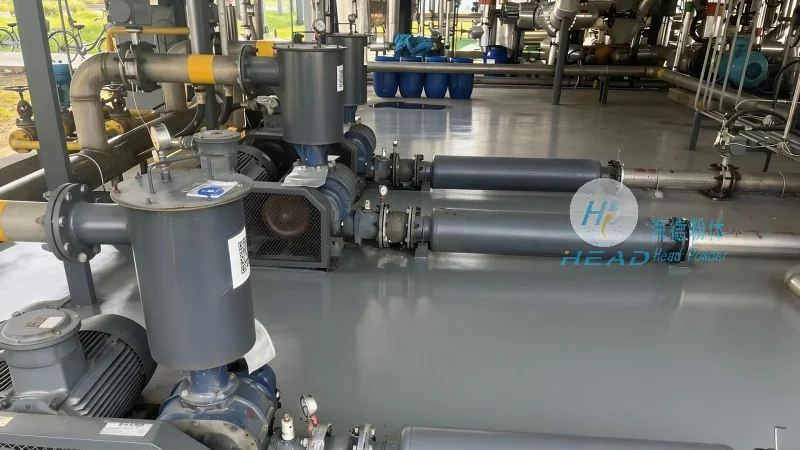
The colored sand pneumatic conveying system comprises several essential components that work in unison to facilitate material transport. The primary components include the material hopper, feeder, air compressor, conveying pipeline, dust collector, and receiving hopper. Each component plays a pivotal role in ensuring the smooth and efficient operation of the system.
The material hopper serves as the initial storage vessel where colored sand is loaded. It is designed to hold a sufficient quantity of material to maintain a consistent feed to the feeder. The feeder, typically a rotary valve or screw feeder, regulates the flow of colored sand from the hopper into the conveying pipeline. The air compressor generates the necessary air pressure to create the airflow that propels the colored sand particles through the pipeline. The conveying pipeline, made from flexible or rigid tubing, is engineered to withstand the pressure and material flow. The dust collector is an integral part of the system, capturing any fine particles that may escape during the conveying process, ensuring environmental compliance and maintaining system efficiency. Finally, the receiving hopper collects the transported colored sand at the destination.
Operating Process of Colored Sand Pneumatic Conveying Equipment
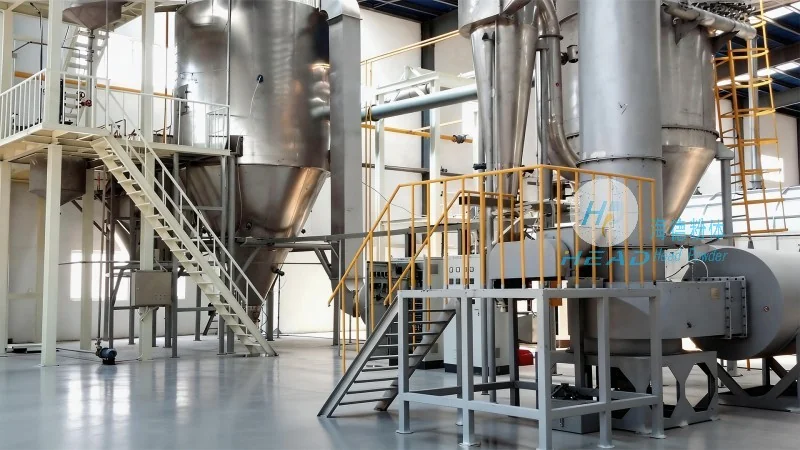
The operation of colored sand pneumatic conveying equipment involves a sequence of steps that ensure the material is transported from the source to the destination efficiently. The process begins with the loading of colored sand into the hopper. Once the hopper is filled, the feeder starts to regulate the flow of sand into the conveying pipeline. Simultaneously, the air compressor activates and begins to generate the required air pressure. As the feeder releases the colored sand into the pipeline, the high-pressure air from the compressor is introduced, creating a flow that carries the sand particles along the pipeline. The combination of air pressure and the material's momentum ensures that the colored sand is transported to the receiving hopper. The dust collector continuously operates to capture any fine particles, preventing contamination and maintaining air quality. The system typically operates in a continuous or intermittent mode, depending on production requirements and material volume.
Working Principle of Colored Sand Pneumatic Conveying Systems
The working principle of colored sand pneumatic conveying systems is based on the principles of fluidization and momentum transfer between the air and solid particles. When the air compressor supplies high-pressure air into the conveying pipeline, it creates a pressure differential that draws the colored sand particles into the pipeline along with the air stream. The air flow provides the necessary force to overcome gravitational and frictional forces, allowing the sand particles to be transported through the pipeline. The efficiency of the conveying process is determined by factors such as air velocity, particle size, and pipeline diameter. Proper system design, including air pressure, pipeline length, and material feed rate, is crucial for optimal performance. The system's efficiency is also influenced by the moisture content of the colored sand and the presence of abrasive particles.
Advantages of Colored Sand Pneumatic Conveying Equipment
Colored sand pneumatic conveying equipment offers several advantages over traditional mechanical conveying methods. One primary benefit is the ability to transport materials in a closed system, which prevents contamination from external sources and maintains the quality of the colored sand. The system is highly flexible, allowing for changes in the conveying route or destination without extensive modifications. Additionally, pneumatic conveying systems are less prone to material degradation compared to mechanical systems, which can cause wear and tear. The equipment is relatively easy to install and maintain, with fewer moving parts. Furthermore, the system can handle a wide range of colored sand types, including different particle sizes and moisture contents, making it a versatile solution for various industrial applications.
Applications of Colored Sand Pneumatic Conveying Systems
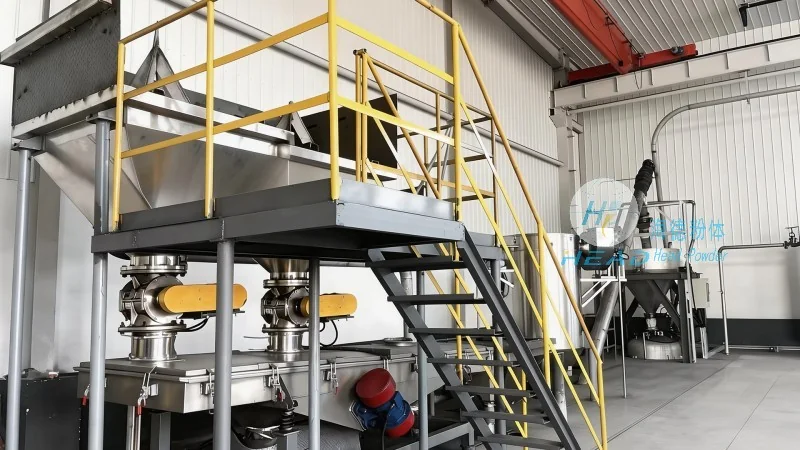
Colored sand pneumatic conveying systems are widely used in industries where colored sand is a key raw material. In the construction industry, these systems are used to transport colored sand for concrete production, decorative concrete, and paving applications. The painting and coating industry utilizes them for producing pigments and decorative coatings. The automotive industry employs colored sand pneumatic conveying systems for manufacturing automotive parts that require colored sand as a raw material. Additionally, the system is used in the manufacturing of ceramics and glass products, where colored sand is used for colored ceramics and glassware. The versatility of the system makes it suitable for both small-scale and large-scale industrial production.
Conclusion
Colored sand pneumatic conveying equipment is a critical technology for the efficient and reliable transportation of colored sand in various industrial settings. The system's design, based on pneumatic conveying principles, ensures that colored sand can be transported over long distances with minimal loss and contamination. The key components, operational process, and working principle of the system are all optimized to provide high-performance solutions for industrial needs. As the demand for colored sand continues to grow, the importance of efficient conveying systems like these will only increase. Companies such as Shandong HeadPowder Engineering Co., Ltd., based in China, specialize in the design and manufacturing of high-quality colored sand pneumatic conveying equipment, providing reliable solutions for industrial clients worldwide.