

Operation Process and Working Principle of Foundry Sand Pneumatic Conveying Equipment
Foundry sand pneumatic conveying equipment is a critical component in modern foundry production lines, designed to efficiently transport sand and other raw materials with precision and reliability. This equipment plays a vital role in ensuring smooth material handling processes, which are essential for maintaining production efficiency and quality control in foundry operations.
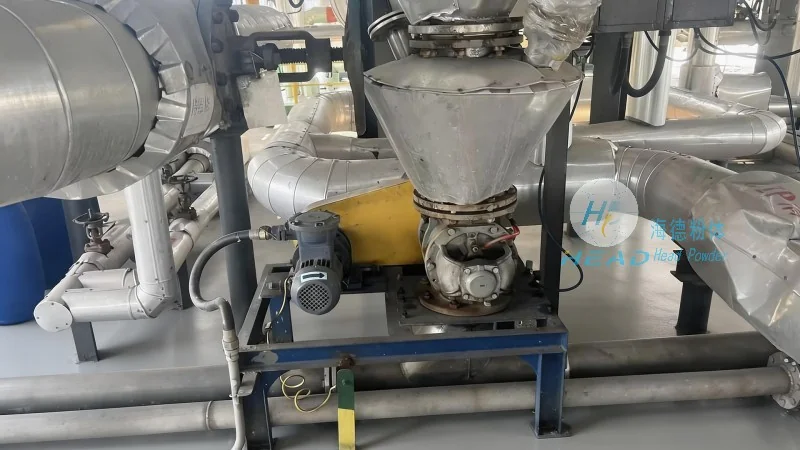
Company Overview: Shandong HeadPowder Engineering Co., Ltd.
HeadPowder, the manufacturer of this advanced equipment, is a leading company based in Shandong, China. With a strong commitment to engineering excellence and customer satisfaction, HeadPowder specializes in the design, manufacturing, and supply of high-quality pneumatic conveying systems tailored for foundry applications. The company's facilities and expertise reflect its dedication to delivering durable and efficient solutions that meet the demanding requirements of the foundry industry.
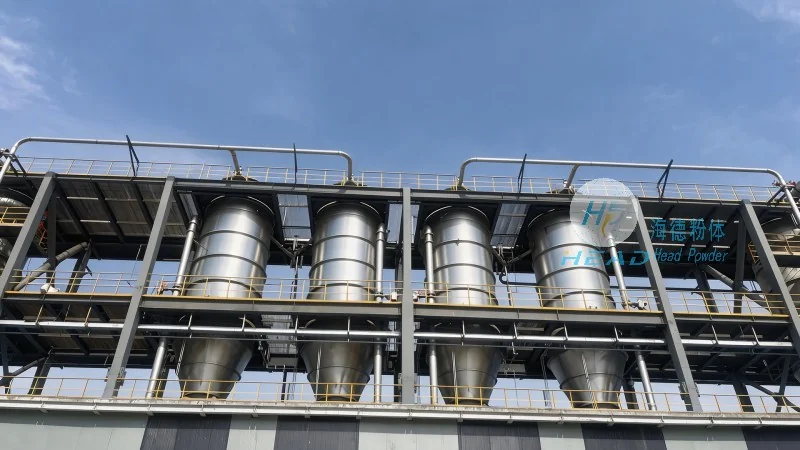
The Working Principle of Pneumatic Conveying Systems
Pneumatic conveying systems operate on the principle of using compressed air to transport bulk materials through a pipeline. In the case of foundry sand, the equipment utilizes a combination of positive and negative pressure to move sand from the storage hopper to the casting or molding stations. The system typically consists of a hopper, a conveyor line, and a control unit that regulates the air flow and material flow. The compressed air creates a flow that carries the sand particles, ensuring a consistent and controlled delivery of material. This method eliminates the need for mechanical components like belts or buckets, reducing maintenance and increasing operational reliability.
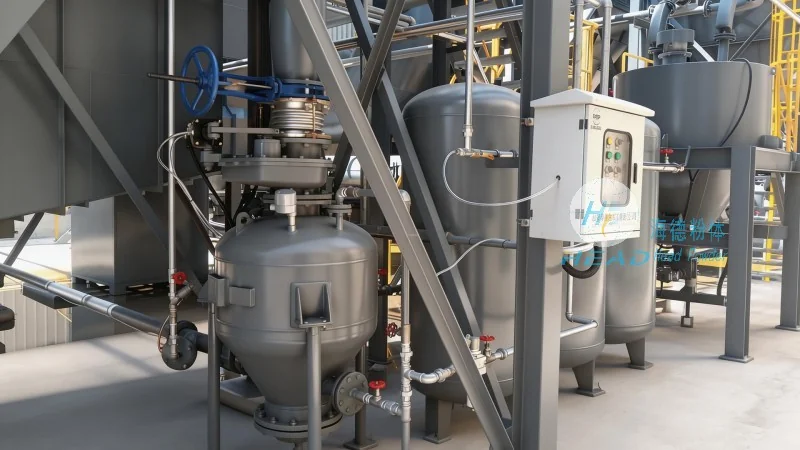
Step-by-Step Operation Process of the Equipment
The operation of foundry sand pneumatic conveying equipment involves several key steps that ensure efficient material transfer. First, the sand is fed into the storage hopper from a silo or bulk container. The hopper is equipped with a feeding mechanism that controls the flow rate of the sand into the conveyor line. Next, the control unit activates the compressed air system, which generates the necessary pressure to initiate the conveying process. As the air flows through the pipeline, it carries the sand particles, moving them from the hopper to the target location, such as the molding machine or the casting area. The system continuously monitors the air pressure and material flow to maintain optimal performance, adjusting the air flow rate as needed to prevent blockages or inefficiencies. Finally, the sand is discharged at the destination, completing the conveying cycle. This process is automated and can be integrated with other production equipment to create a seamless material handling workflow.
Key Components and Their Functions
The foundry sand pneumatic conveying equipment comprises several essential components, each playing a crucial role in the overall operation. The storage hopper is the primary container for the sand, providing a large capacity to store bulk material. It is equipped with a feeding valve that regulates the sand flow into the conveyor line. The conveyor line, typically made of stainless steel or other corrosion-resistant materials, is designed to withstand the abrasive nature of foundry sand. The line includes bends and straight sections to guide the material to the desired location. The air compressor or blower generates the compressed air required for conveying, with a control unit that regulates the air pressure and flow rate. The control unit uses sensors and feedback mechanisms to monitor the system's performance, ensuring stable operation. The discharge valve at the end of the conveyor line controls the release of the sand, allowing precise delivery to the next stage of the production process. Each component is engineered to work in harmony, ensuring the efficient and reliable transfer of foundry sand.
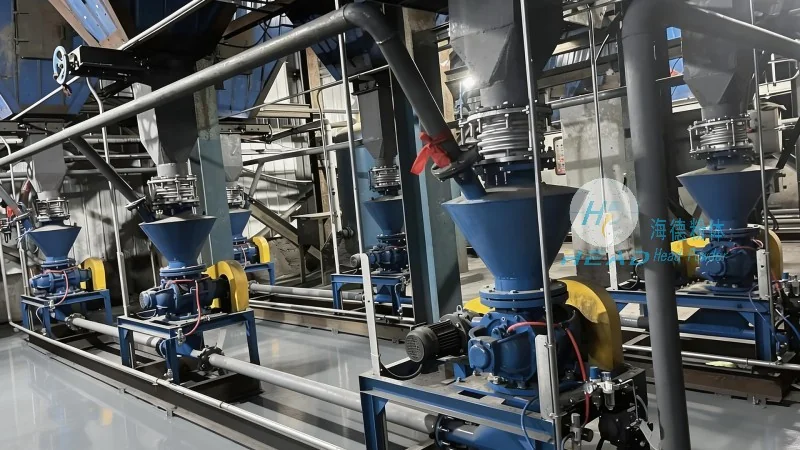
Benefits and Applications in Foundry Production
The use of foundry sand pneumatic conveying equipment offers numerous benefits to foundry operations. Firstly, it enhances production efficiency by providing a continuous and uninterrupted flow of material, reducing downtime and increasing throughput. The automated operation minimizes the need for manual handling, improving safety and reducing labor costs. The system also ensures consistent material quality by maintaining uniform particle size and moisture content, which is critical for casting and molding processes. Additionally, the equipment is designed to be durable and low-maintenance, with components that are resistant to wear and corrosion from the abrasive sand. This leads to longer service life and lower operational costs over time. In foundry production, this equipment is widely used in applications such as transporting sand from storage to molding machines, moving sand between different production stages, and handling sand for recycling or reclamation. It is particularly beneficial in large-scale foundries where high-volume material handling is required, as it can handle significant quantities of sand with minimal space requirements.