

Principle and Working Scene Characteristics of Magnesium Sulfate Material Pneumatic Conveying Machin
HeadPowder, a leading manufacturer in the field of material handling equipment, specializes in the design and production of pneumatic conveying systems tailored for various industrial applications. This article delves into the principle and working scene characteristics of a magnesium sulfate material pneumatic conveying machine, highlighting its operational efficiency and adaptability in handling this specific chemical compound.
Understanding the Pneumatic Conveying Principle for Magnesium Sulfate
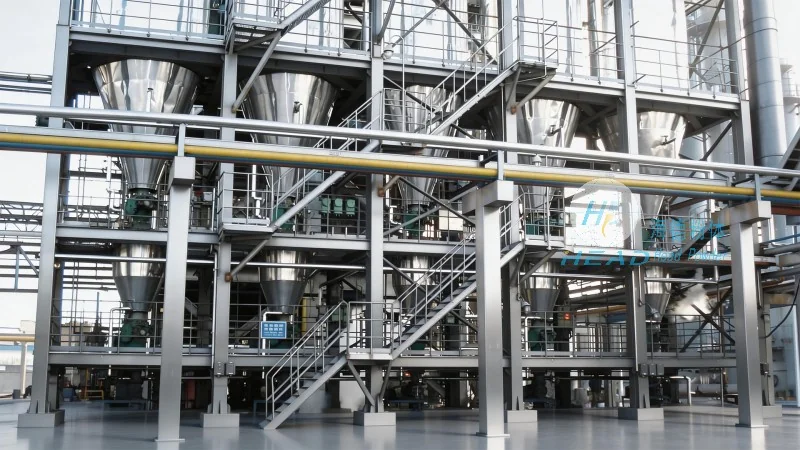
The pneumatic conveying system for magnesium sulfate operates on the fundamental principle of transporting bulk materials through a pipeline using a gas stream, typically air or a combination of air and other gases. In the case of magnesium sulfate, which is often in the form of powder or granules, the system relies on the creation of a low-pressure or high-pressure air flow to move the material from the source to the destination. The process involves several key components, including a hopper or feeder to feed the material into the pipeline, a blower or compressor to generate the air flow, and a receiver or discharge unit to collect the material at the end of the pipeline. The selection of the appropriate conveying method—such as dilute phase or dense phase—depends on factors like the material's properties, the distance to be conveyed, and the required flow rate. For magnesium sulfate, which is a fine powder with moderate flowability, a dilute phase pneumatic conveying system is often preferred due to its ability to handle long distances and maintain material integrity without excessive wear on the equipment.
Key Components and Their Functions in the Magnesium Sulfate Pneumatic Conveying Machine
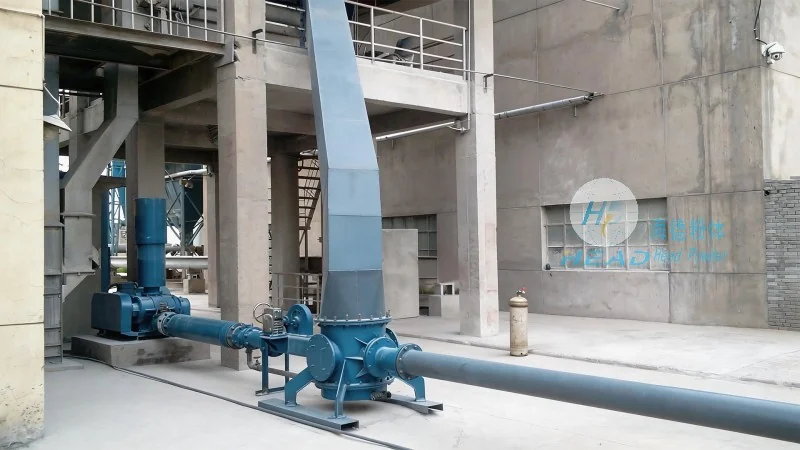
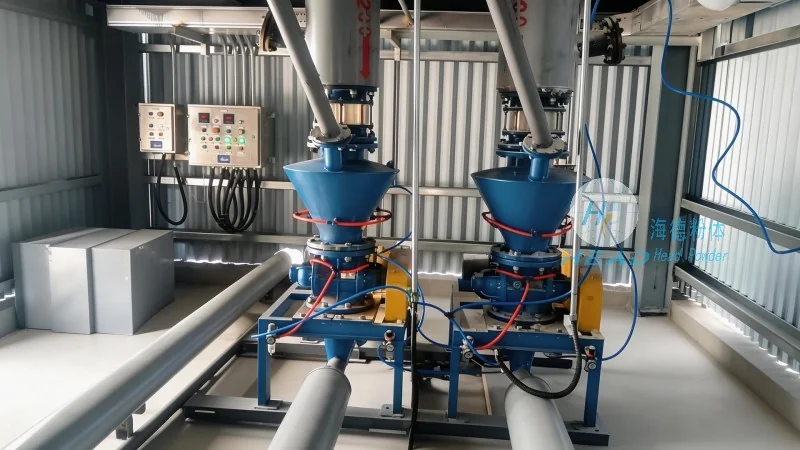
The magnesium sulfate pneumatic conveying machine comprises several critical components that work in tandem to ensure efficient material transport. The first component is the material feeder, which is typically a hopper equipped with a rotary valve or a screw feeder. This component is responsible for feeding the magnesium sulfate powder into the conveying pipeline at a controlled rate, preventing blockages and maintaining a consistent flow. The feeder is designed to handle the specific characteristics of magnesium sulfate, such as its fine particle size and potential for caking, ensuring smooth material discharge. The second key component is the air compressor or blower, which generates the necessary air pressure to move the material through the pipeline. The choice of compressor type—such as a centrifugal or positive displacement blower—depends on the system's requirements, including the required pressure and flow rate. The compressor is connected to the pipeline via a filter and regulator to ensure clean and controlled air flow, preventing contaminants from entering the system and damaging the equipment. The third component is the conveying pipeline, which is made of materials resistant to corrosion and abrasion, such as stainless steel or polyethylene. The pipeline is designed with appropriate bends and elbows to accommodate the required conveying path, minimizing pressure losses and ensuring efficient material transport. The pipeline is also equipped with pressure sensors and flow meters to monitor the system's performance and detect any issues, such as blockages or pressure drops, which could affect the conveying efficiency. The final component is the receiver or discharge unit, which collects the magnesium sulfate material at the end of the pipeline. This component is typically a hopper or a silo equipped with a rotary valve or a gate valve, allowing for controlled discharge of the material into the next processing stage. The receiver is designed to handle the material's properties, such as its fine particle size and potential for dust generation, ensuring safe and efficient material handling.
Working Scene Characteristics of the Magnesium Sulfate Pneumatic Conveying Machine
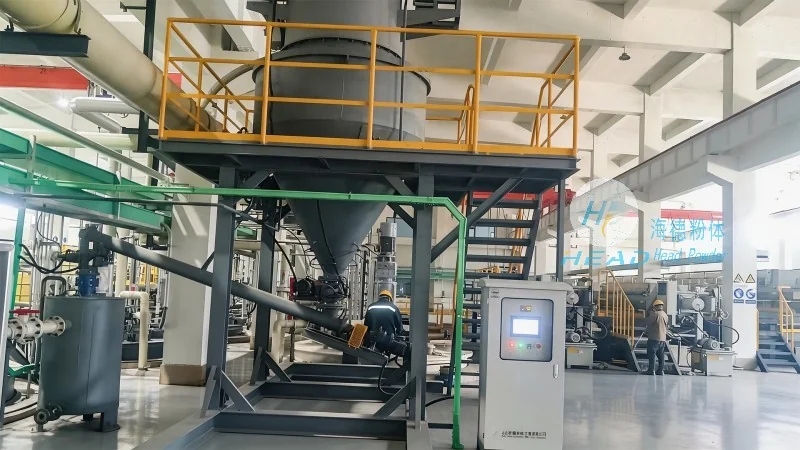
The working scene characteristics of the magnesium sulfate pneumatic conveying machine vary depending on the specific industrial application. In the chemical industry, for example, the machine is often used to transport magnesium sulfate from storage silos to processing units, such as reactors or crystallizers. The system is designed to handle large volumes of material, with flow rates ranging from several tons per hour to tens of tons per hour, depending on the production requirements. The conveying distance can range from a few meters to several hundred meters, depending on the layout of the industrial facility. The machine is also used in the food and pharmaceutical industries, where the material is transported from production lines to packaging units or storage areas. In these applications, the system is designed to maintain the material's quality and purity, with features such as dust collection systems and air filtration to prevent contamination. The working scene characteristics also include the environmental conditions, such as temperature and humidity, which can affect the material's properties and the system's performance. The machine is designed to operate in various environmental conditions, with appropriate insulation and heating or cooling systems to maintain the material's temperature and prevent caking or agglomeration. The system is also equipped with safety features, such as pressure relief valves and emergency shut-off valves, to ensure safe operation in case of any malfunction or emergency situation.
Advantages of Using a Magnesium Sulfate Pneumatic Conveying Machine
There are several advantages to using a magnesium sulfate pneumatic conveying machine for material transport. The first advantage is the ability to handle large volumes of material efficiently, with minimal labor requirements. The system can transport material over long distances without the need for intermediate storage or handling, reducing the risk of material loss or contamination. The second advantage is the flexibility of the system, which can be adjusted to handle different material types and flow rates. The system can be easily modified to accommodate changes in production requirements or material properties, making it a versatile solution for various industrial applications. The third advantage is the cost-effectiveness of the system, which can reduce the overall material handling costs compared to traditional methods, such as belt conveyors or bucket elevators. The system requires less maintenance and has lower energy consumption, resulting in lower operating costs over time. The fourth advantage is the improved material quality and purity, which is achieved through the use of air filtration and dust collection systems. The system prevents material contamination and dust generation, ensuring that the material meets the required quality standards for various industrial applications. The fifth advantage is the safety of the system, which is designed to operate in a safe manner, with features such as pressure relief valves and emergency shut-off valves. The system is equipped with safety sensors and alarms to detect any issues and alert operators, ensuring that the system operates within safe limits.
Conclusion and Company Information
HeadPowder Engineering Co., Ltd., located in Shandong, China, is a leading manufacturer of pneumatic conveying systems for various industrial applications. The company specializes in designing and producing high-quality magnesium sulfate material pneumatic conveying machines that meet the specific requirements of different industries. The company's products are known for their efficiency, reliability, and adaptability, making them a preferred choice for material handling in the chemical, food, and pharmaceutical industries. HeadPowder Engineering Co., Ltd. is committed to providing innovative and cost-effective solutions for material transport, helping customers improve their operational efficiency and reduce their overall costs. The company's products are designed to meet the highest standards of quality and safety, ensuring that they are suitable for various industrial applications. HeadPowder Engineering Co., Ltd. is a trusted partner for customers looking for reliable and efficient material handling solutions.