

Principle and Working Scene Characteristics of Lithium Oxalate Material Pneumatic Conveying Machine
HeadPowder, a leading engineering firm based in Shandong, China, specializes in the design and manufacturing of advanced material handling solutions. Among their portfolio is the lithium oxalate material pneumatic conveying machine, a sophisticated system engineered to efficiently transport lithium oxalate—a critical raw material in battery production—throughout industrial processes. This article delves into the core principles behind this technology and the distinct characteristics of its operational environments.
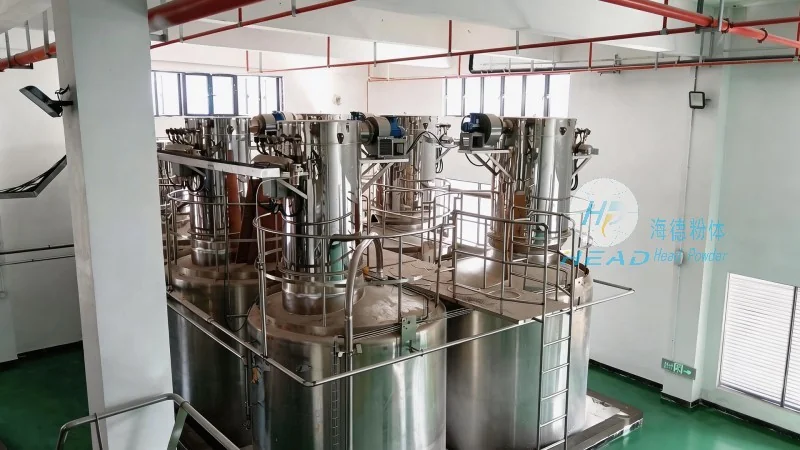
Introduction to Lithium Oxalate Pneumatic Conveying Systems
Lithium oxalate is a vital component in the production of lithium-ion batteries, and its handling requires precision and reliability. Pneumatic conveying machines offer a non-contact, low-maintenance method for transporting such materials, ensuring minimal product degradation and consistent quality. The system operates by utilizing compressed air or vacuum to move the material through a pipeline, eliminating the need for mechanical components like belts or buckets that might cause contamination or wear.
Principle of Pneumatic Conveying for Lithium Oxalate
The fundamental principle of pneumatic conveying involves the creation of a flow of air within a pipeline, which then carries the lithium oxalate particles. There are two primary modes: pressure and vacuum. In pressure systems, compressed air is introduced at the inlet, generating a high-velocity airflow that propels the material forward. Vacuum systems, conversely, use a vacuum at the discharge end to draw the material into the pipeline. For lithium oxalate, a pressure system is often preferred due to its ability to handle larger quantities and maintain consistent flow rates, which is crucial for maintaining the material's purity and preventing agglomeration.
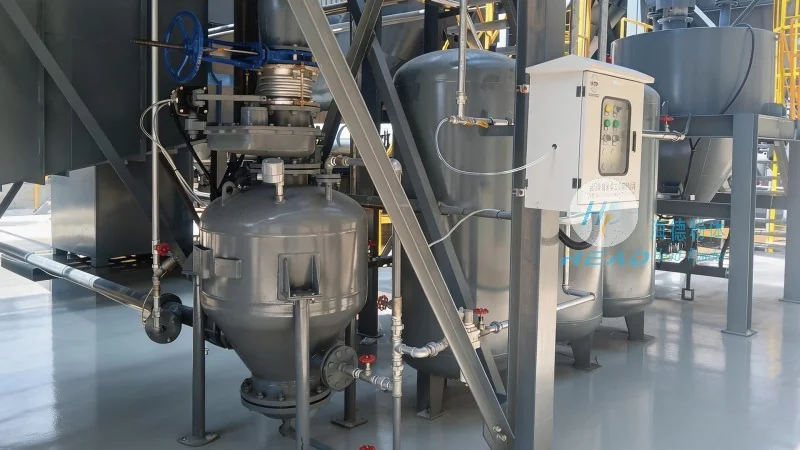
Key Working Scene Characteristics
The operational environment of a lithium oxalate pneumatic conveying machine is tailored to the demands of industrial battery manufacturing. These systems are typically integrated into production lines where the material is sourced, processed, and packaged. Key characteristics include high efficiency in material transfer, with the ability to move large volumes of lithium oxalate over significant distances without intermediate storage. Safety is a paramount concern, as the system minimizes human exposure to the material, reducing the risk of dust inhalation or contact. Additionally, the design allows for easy integration with other equipment, such as mixers, classifiers, and packaging machines, creating a seamless workflow in the production facility.
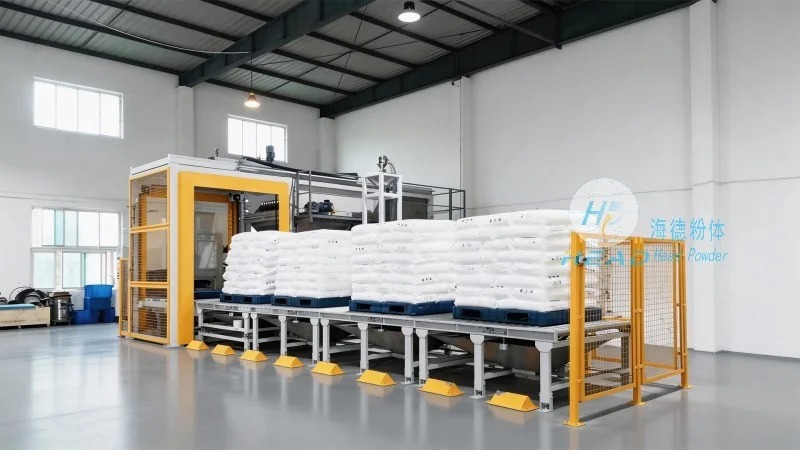
Application Scenarios and Efficiency
The lithium oxalate pneumatic conveying machine is deployed in various stages of battery production, from raw material handling to intermediate processing. For instance, it can transport lithium oxalate from storage silos to mixing units, ensuring a continuous supply of material for battery cell formation. The system's ability to maintain low particle size and prevent segregation is particularly important in this context, as the uniformity of the material directly impacts the performance of the final battery product. Furthermore, the system's compact design and low operational noise make it suitable for integration into existing production lines without disrupting workflow or increasing maintenance costs.
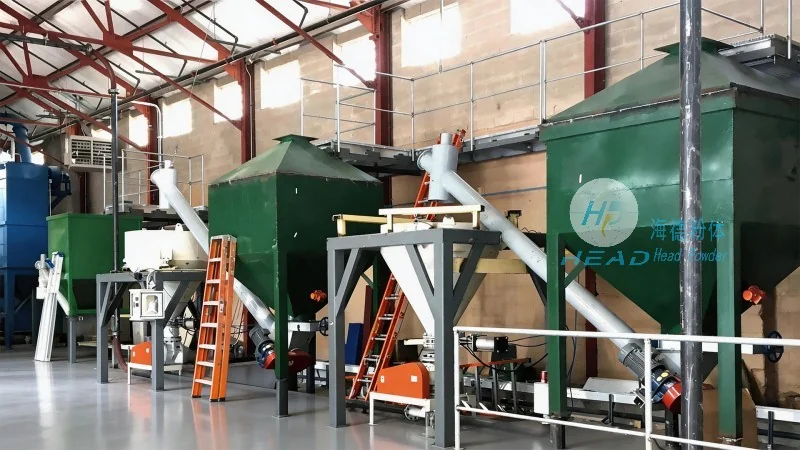
Advantages in Material Handling
Compared to traditional mechanical conveying methods, the pneumatic conveying system for lithium oxalate offers several advantages. Firstly, it eliminates the risk of product contamination, as there are no metal or rubber components that could introduce impurities. This is critical for lithium oxalate, which is highly sensitive to impurities that can affect battery performance. Secondly, the system provides better control over material flow, allowing for precise dosing and regulation of the material's movement. This precision is essential in processes where the exact amount of lithium oxalate is required for each batch of battery cells. Finally, the system's low maintenance requirements reduce downtime and operational costs, making it a cost-effective solution for long-term material handling in battery manufacturing.
Conclusion
HeadPowder's lithium oxalate material pneumatic conveying machine exemplifies advanced engineering tailored to the specific needs of the battery industry. By leveraging pneumatic technology, the system ensures efficient, safe, and reliable transport of lithium oxalate, supporting the high standards of quality and consistency required in modern battery production. With its integration capabilities and operational advantages, this equipment is a key component in optimizing material handling processes for manufacturers in Shandong and beyond.