

Principle and Working Scene Characteristics of Gypsum Sand Material Pneumatic Conveying Machine
For industrial applications involving the transport of gypsum sand and similar bulk materials, the pneumatic conveying machine offers an efficient and reliable solution. This equipment is designed to handle the specific challenges associated with gypsum sand, such as its fine particle size and potential for dust generation, ensuring safe and effective material transfer. The following sections will explore the fundamental principles behind its operation and the typical working scenarios where such machinery is employed.
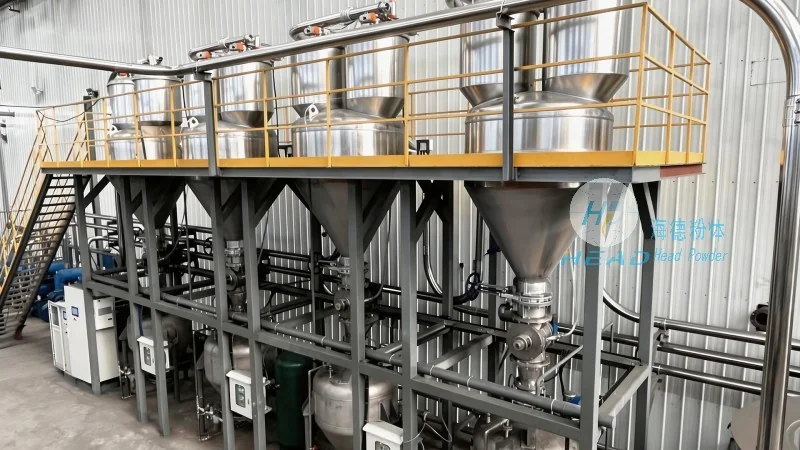
Core Principle of Pneumatic Conveying for Gypsum Sand
The pneumatic conveying system operates on the principle of using compressed air or gas to transport bulk materials through a pipeline. In the case of gypsum sand, the machine draws the material from a hopper or storage silo and propels it forward using a combination of air pressure and velocity. The system typically includes components like a rotary valve, a conveying line, and a receiver or discharge point. The rotary valve controls the flow of material into the pipeline, while the conveying line transports the sand, and the receiver collects the material at the destination. The air flow is managed by a blower or compressor, which maintains the necessary pressure and velocity to overcome friction and gravitational forces within the system. This method eliminates the need for mechanical components like belts or buckets, reducing maintenance and increasing operational safety.
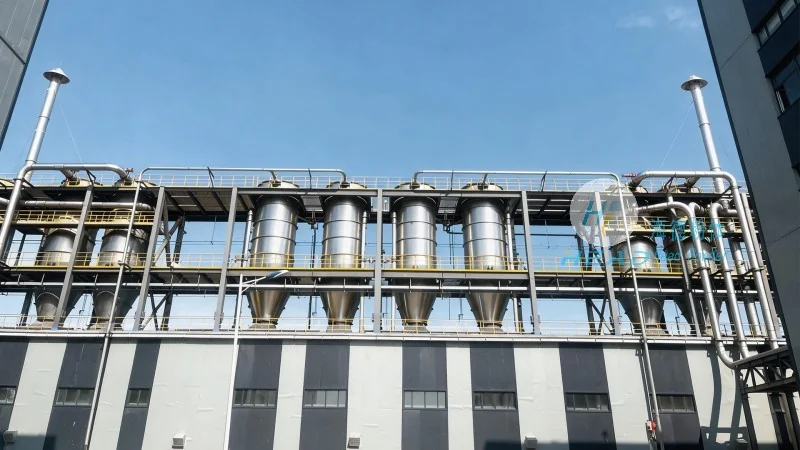
Working Scene Characteristics and Applications
Gypsum sand pneumatic conveying machines are widely used in various industrial sectors, including construction material production, mining, and chemical processing. In construction material manufacturing, these machines are crucial for transporting raw gypsum sand from storage to processing plants, ensuring a continuous supply for gypsum board production. The fine particle size of gypsum sand makes it susceptible to dust, and the pneumatic system provides an enclosed environment that minimizes dust dispersion, adhering to environmental regulations and workplace safety standards. In mining operations, the equipment is used to transport mined gypsum sand from extraction sites to processing facilities, where it is further refined into usable products. The flexibility of pneumatic conveying allows for horizontal, vertical, or inclined transport, adapting to the layout of different industrial sites. Additionally, in chemical processing plants, the machine facilitates the transfer of gypsum sand for use in various chemical reactions or as a raw material in the production of other compounds. The system's ability to handle high volumes of material efficiently makes it ideal for large-scale operations, where consistent and reliable material flow is essential.
Advantages and Technical Considerations
Implementing a gypsum sand pneumatic conveying machine offers several advantages over traditional mechanical conveying methods. The primary benefit is the reduction in manual labor and associated costs, as the system automates the entire material transport process. Additionally, the enclosed pipeline design prevents dust contamination and protects the material from moisture, which is critical for maintaining the quality of gypsum sand used in construction applications. The system also allows for precise control over the flow rate and pressure, enabling operators to adjust the conveying speed according to production demands. However, technical considerations must be addressed to ensure optimal performance. The selection of appropriate air velocity is crucial; too low a velocity may cause material settling or blockages, while too high a velocity can lead to excessive energy consumption and wear on the system components. The material's properties, such as particle size distribution and moisture content, also impact the system's efficiency, requiring adjustments to the blower capacity and pipeline design. Regular maintenance, including cleaning of the conveying line and inspection of the rotary valve, is essential to prevent clogging and ensure long-term reliability.
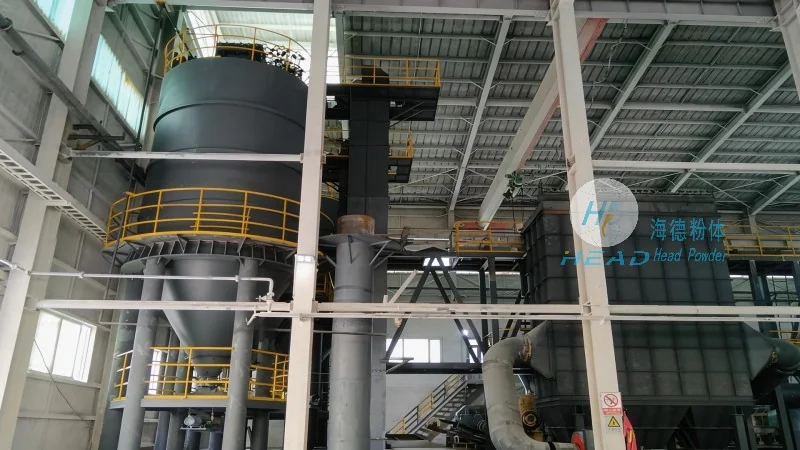
Company Overview: Shandong HeadPowder Engineering Co., Ltd.
Shandong HeadPowder Engineering Co., Ltd., operating under the brand name headpowder, specializes in the design, manufacturing, and supply of industrial conveying equipment, including pneumatic systems for handling gypsum sand and other bulk materials. With a focus on innovation and customer-centric solutions, the company has established itself as a leading provider in the field. HeadPowder's team of engineers and technicians leverages advanced technology and extensive industry experience to develop customized pneumatic conveying solutions tailored to the specific needs of clients. The company's facilities in Shandong, China, are equipped with state-of-the-art manufacturing equipment and quality control systems, ensuring that each product meets international standards for performance and durability. By combining technical expertise with a commitment to quality, HeadPowder delivers reliable and efficient pneumatic conveying machines that enhance operational efficiency and reduce costs for its clients. The company's dedication to customer support and after-sales service further strengthens its position as a trusted partner in the industrial conveying sector.