News
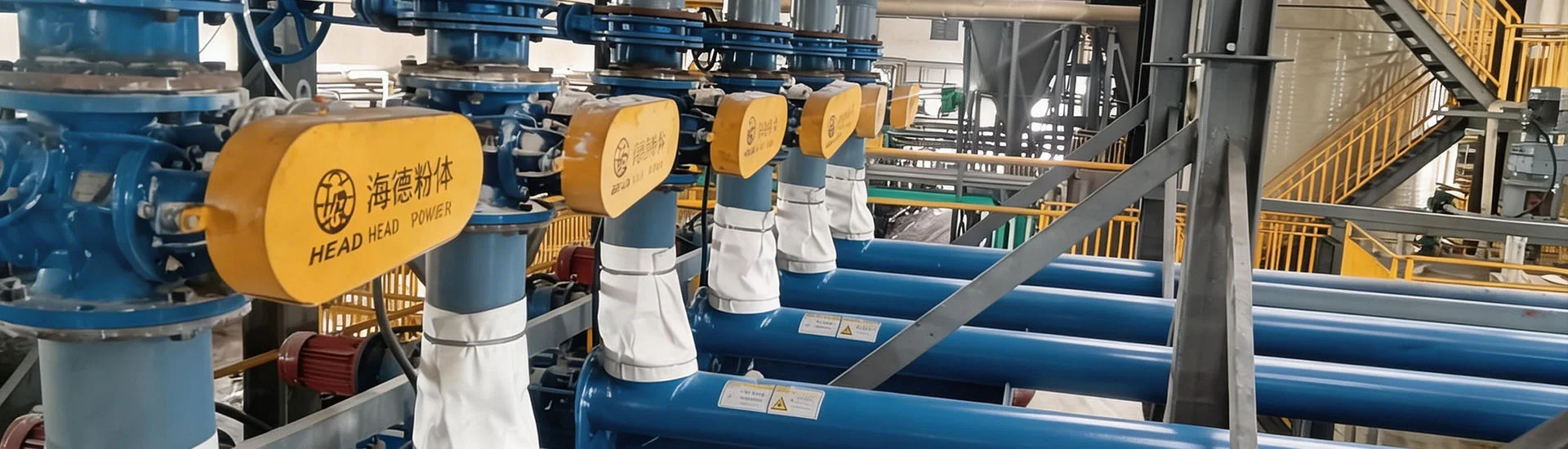
Rich project cases across industries, showing real implementation and proven technical strength.In the evolving landscape of industrial waste management, efficient material handling has become a cornerstone of operational excellence. Pneumatic conveying systems have emerged as a preferred solution for transporting bulk solids, powders, and granular materials in a closed, dust-free environment. This article provides a comprehensive introduction to pneumatic conveying systems for waste conveying, exploring their working principles, system configurations, key components, selection criteria, and real-world application insights. Whether you are evaluating new equipment or optimizing existing processes, understanding the fundamentals of pneumatic conveying is essential for achieving reliable, cost-effective, and environmentally compliant waste handling.
Pneumatic conveying refers to the process of transporting bulk materials through a pipeline using a gas stream—typically air—as the conveying medium. In waste conveying applications, this technology is particularly valuable for handling powders, dusts, fines, and other dry waste streams that are difficult to manage with mechanical conveyors. Unlike belt conveyors or screw conveyors, pneumatic systems offer enclosed transportation, which eliminates dust emissions, reduces spillage, and improves workplace safety. The core principle relies on creating a pressure differential to move material from a feed point to a destination, with the gas velocity carefully controlled to maintain suspension and prevent settling.
Modern waste-to-energy plants, recycling facilities, and industrial manufacturing sites increasingly adopt pneumatic conveying to streamline waste handling. According to industry analyses, the global pneumatic conveying systems market was valued at approximately USD 5.8 billion in 2025 and is projected to grow at a compound annual growth rate (CAGR) of 6.2% through 2030, driven by stricter environmental regulations and the need for automated material handling. For waste conveying in particular, pneumatic systems offer distinct advantages: they reduce manual labor, minimize cross-contamination, and enable long-distance transport through complex facility layouts.
Headpowder, as a specialized supplier in the pneumatic conveying domain, emphasizes that a well-designed system must account for material characteristics, conveying distance, and operational constraints. The company has observed that many facilities underestimate the importance of thorough material testing before system selection, leading to performance issues such as line blockage, excessive wear, or high energy consumption. By aligning system design with site-specific requirements, operators can achieve throughput rates of 5 to 50 tons per hour, depending on the material and configuration.
Pneumatic conveying systems for waste are broadly categorized into two main operating modes: dilute phase and dense phase. Each configuration serves different material types and application scenarios, with distinct advantages and limitations.
In dilute phase conveying, the material is suspended in the air stream at high velocity—typically 15 to 35 meters per second. The material-to-air ratio is low, meaning the solid particles are dispersed and carried individually. This mode is well-suited for free-flowing, non-abrasive, and fine waste materials such as sawdust, wood chips, plastic pellets, and certain types of ash. Dilute phase systems are simple to design, cost-effective for short-distance transport (up to 100 meters), and easy to maintain. However, the high velocities can lead to particle attrition and pipe wear, especially with abrasive materials like glass cullet or metal shavings. For waste conveying that involves friable or cohesive materials, dilute phase may not be the most suitable choice.
Dense phase conveying operates at lower velocities—typically 1 to 10 meters per second—with a much higher material-to-air ratio. The material moves in slugs or plugs through the pipeline, rather than being fully suspended. This mode is ideal for fragile, abrasive, or hygroscopic waste materials that need gentle handling and reduced degradation. Examples include crushed glass, mineral powders, cement kiln dust, and granulated rubber. Dense phase systems consume less energy per ton of material conveyed and produce less dust, making them attractive for facilities with strict emission standards. However, they require higher initial capital investment and more sophisticated control systems to manage pressure and plug formation. Headpowder’s technical team often recommends dense phase conveying for waste streams where particle integrity and low wear are priorities.
A reliable pneumatic conveying system integrates several critical components, each contributing to overall performance and longevity. Understanding these elements helps facility managers specify appropriate equipment and avoid common pitfalls.
Material enters the system through a feeder that meters the waste stream into the pipeline. Common options include rotary airlocks, screw feeders, and venturi injectors. For waste conveying, rotary airlocks are widely used because they provide a positive seal between the hopper and the conveying line while maintaining a controlled feed rate. Headpowder recommends selecting a feeder with wear-resistant materials and variable-speed drive to accommodate fluctuating waste volumes. Proper feeder sizing is essential: undersized feeders cause material buildup, while oversized ones lead to erratic flow or air leakage.
The pipeline material and diameter directly affect pressure drop, wear, and maintenance frequency. Carbon steel is common for general waste streams, but stainless steel or abrasion-resistant alloys are preferred for corrosive or highly abrasive materials. Pipe bends are particularly critical—long-radius bends (5–10 times the pipe diameter) reduce particle impact and extend service life. In waste conveying applications where fine powders are involved, standard bends can erode within months, leading to costly downtime. Headpowder’s engineers often design pipeline routes with a minimum number of bends and incorporate replaceable wear-back liners at high-wear zones.
The primary air mover creates the necessary pressure or vacuum to propel the material. Positive displacement blowers are the most common choice for medium-pressure dilute phase systems (up to 1 bar gauge), while compressors may be required for high-pressure dense phase conveying (up to 7 bar). Vacuum pumps are used for negative-pressure systems, which are advantageous for sucking material from multiple pick-up points. Energy efficiency is a growing consideration: modern variable-frequency drives (VFDs) can reduce power consumption by 20–30% compared to fixed-speed units, aligning with sustainability goals.
At the destination, the conveyed material must be separated from the conveying air. Cyclone separators, baghouse filters, or cartridge collectors are deployed depending on particle size and dust loading. For waste conveying, a baghouse filter is often mandatory to meet emission limits, especially in jurisdictions with PM2.5 regulations. The filter media must be selected for compatibility with the waste’s temperature and chemical properties. Headpowder advises incorporating a differential pressure gauge and automatic pulse-jet cleaning system to maintain filter efficiency without manual intervention.
Modern pneumatic conveying systems rely on programmable logic controllers (PLCs) to monitor pressure, airflow, material level, and motor status. Advanced systems can adjust feed rate and air velocity in real time, compensating for changes in material consistency. For waste conveying facilities that operate around the clock, remote monitoring and alarm systems are indispensable. Headpowder integrates IoT-ready controllers that provide operational data for predictive maintenance, helping clients reduce unplanned downtime.
The success of any pneumatic conveying project hinges on accurate material characterization. Waste streams vary widely in particle size, shape, density, moisture content, cohesion, and abrasiveness. Misjudging these parameters leads to underperformance or system failure. Industry standard test methods, such as the Jenike shear test and permeability test, provide quantitative data for system design.
Headpowder’s application engineers routinely perform material flow testing at their in-house laboratory before recommending a system configuration. This data-driven approach has helped clients reduce trial-and-error costs and achieve first-time-right installations. For instance, a recycling plant processing mixed plastic waste implemented a dense phase system based on material abrasiveness tests, resulting in a 40% reduction in pipe wear compared to their previous dilute phase setup.
Beyond initial design, long-term performance depends on proper installation and proactive maintenance. The following guidelines can help operators maximize system lifespan and efficiency.
Pipeline supports must allow for thermal expansion and vibration. Straight sections should be sloped slightly (1–2°) to facilitate drainage in case of condensation. Air intake filters should be installed to prevent ambient dust from entering the system. Headpowder’s field service team emphasizes that commissioning should include a stepwise pressure test and airflow verification before introducing material. In one case study, a waste-to-energy facility avoided a costly blockage by following a gradual startup protocol that ramped feed rate while monitoring line pressure.
Regular inspections should focus on wear zones—bends, diverters, and feeder rotors. A simple maintenance schedule includes weekly checks of airlock clearances, monthly filter bag inspections, and quarterly blower oil analysis. For waste conveying systems handling sticky materials, purging the line with compressed air after each shift prevents caking. Headpowder provides comprehensive maintenance manuals and offers remote diagnostics to anticipate component failures.
Energy costs represent a significant portion of operating expenses for pneumatic conveyors. Operators can reduce consumption by optimizing conveying velocity—running at the minimum velocity required to keep material suspended or moving as plugs. Installing pressure sensors at strategic points allows the control system to adjust airflow dynamically. Headpowder’s clients have achieved energy savings of 15–25% by retrofitting VFDs on blowers and implementing closed-loop control algorithms.
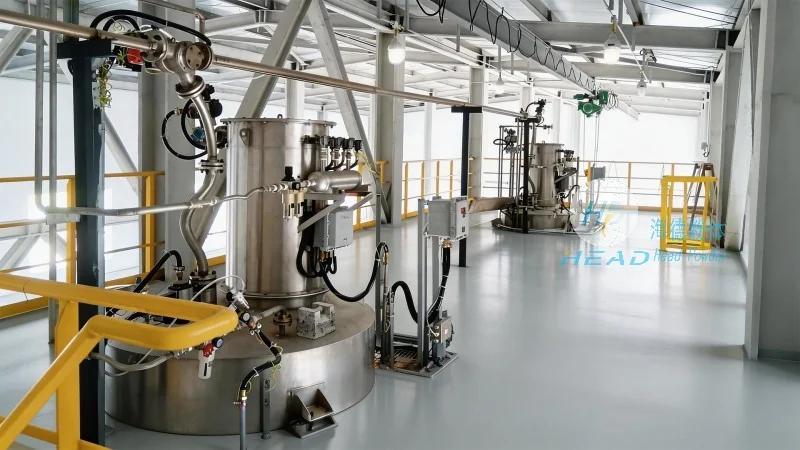
The adoption of pneumatic conveying for waste is accelerating across multiple sectors. In municipal solid waste (MSW) processing, systems handle residues from sorting lines and incineration ash. In the chemical industry, pneumatic conveyors transport catalyst dust and polymer waste safely. The construction demolition waste segment benefits from systems that convey crushed concrete fines for reuse as aggregate.
A notable trend is the integration of pneumatic conveying with automated material tracking and weigh systems. This enables precise inventory management and waste diversion reporting for sustainability certifications. Another development is the use of nitrogen or carbon dioxide as conveying gas for explosive waste streams, eliminating oxygen and reducing fire risk. Headpowder has delivered several such systems for pharmaceutical waste incinerators, meeting stringent safety standards.
Looking ahead to 2026, the push for circular economy models will drive further innovation in waste conveying. Systems that can handle multiple waste grades with minimal changeover time will become more valuable. Additionally, digital twin technology—creating a virtual replica of the conveying system—is emerging as a tool for testing new materials and optimizing operations without interrupting production. Headpowder is actively investing in simulation software to help clients validate designs before fabrication.
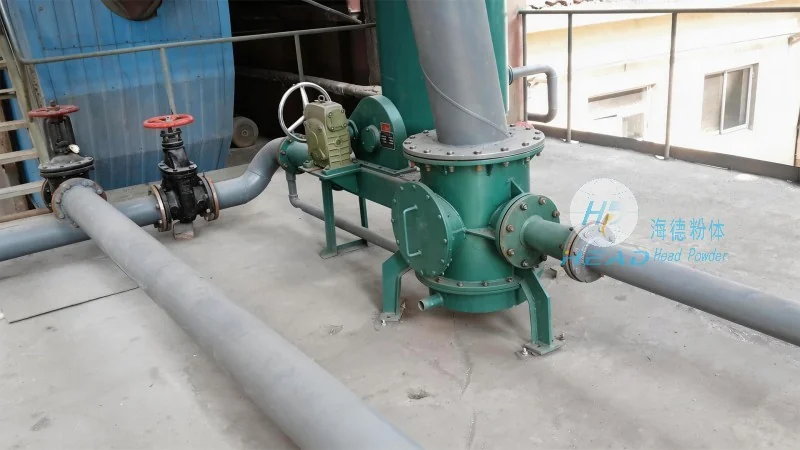
With years of hands-on experience in pneumatic conveying for bulk solids, Headpowder brings technical depth and practical insight to every project. The company’s approach begins with a thorough assessment of your waste material, facility layout, and throughput targets. Rather than offering one-size-fits-all solutions, Headpowder custom-engineers systems that balance performance, durability, and total cost of ownership.
Client testimonials frequently highlight the professionalism of Headpowder’s project management—from initial consultation to commissioning and after-sales support. One waste management firm reported that after switching to a Headpowder dense phase system, their maintenance costs dropped by 60% due to reduced pipe wear and fewer blockages. Another client praised the energy efficiency of their Headpowder dilute phase system, which consumed 18% less power than the previous installation while increasing throughput by 12%.
Headpowder’s commitment to quality extends to every component, from rotary airlocks with hardened rotors to control panels with intuitive HMI interfaces. The company also offers extended warranties and service contracts that include annual performance audits. For facilities looking to upgrade existing systems, Headpowder provides retrofit packages that incorporate modern controls and wear-resistant materials without requiring a complete overhaul.
To discuss your waste conveying requirements or request a feasibility study, contact Headpowder directly. (咨询热线:156-6277-7102)
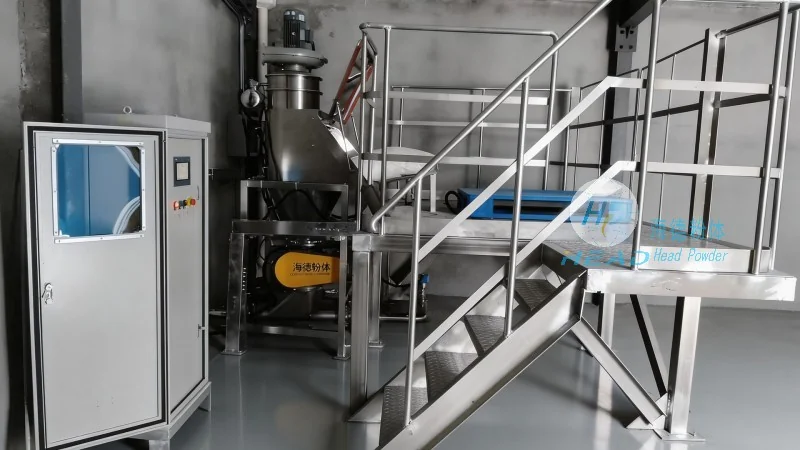
Pneumatic conveying stands as a versatile and efficient technology for waste handling across industries. By selecting the appropriate phase configuration—dilute or dense—and engineering each subsystem to match material characteristics, facilities can achieve reliable, low-emission, and cost-effective transport of bulk waste. The growing emphasis on sustainability and automation makes pneumatic conveying an increasingly strategic asset for modern waste management operations. Headpowder remains dedicated to advancing this field through tailored solutions, rigorous testing, and ongoing innovation, helping clients navigate the complexities of waste conveying with confidence.

 Shandong headpowder Engineering Co., Ltd.
 156-6277-7102(Manager Zhang)
  0531-83386006
  Jinan City, Shandong Province, China
服务热线
微信咨询
回到顶部