

Principles and Working Scene Characteristics of Ceramic Powder Handling Systems
Efficient and reliable handling of ceramic powders is a critical aspect of modern manufacturing processes, particularly in industries such as ceramics, glass, and advanced materials. The proper transportation of these fine particles ensures consistent quality, reduces material loss, and enhances overall production efficiency. This article explores the fundamental principles behind ceramic powder handling systems and highlights the key characteristics of their operational scenarios, with a focus on the expertise of Shandong HeadPowder Engineering Co., Ltd., a leading provider in the field.
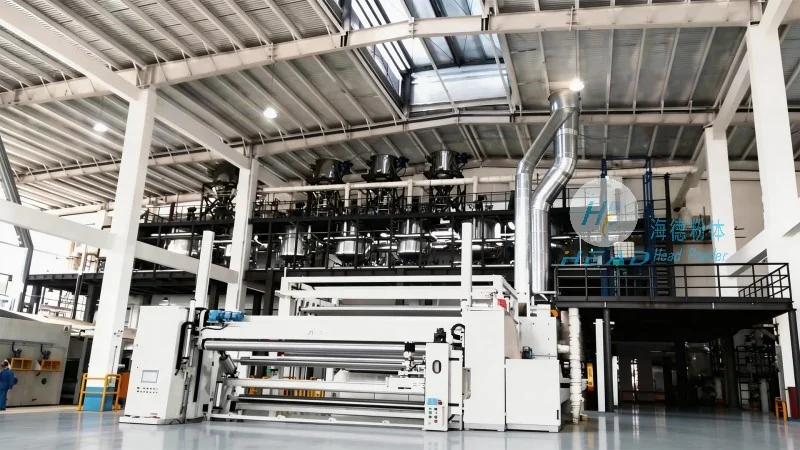
Ceramic Powder Handling System Principles
The core of any ceramic powder handling system lies in its ability to transport fine powders from one location to another while maintaining their integrity and preventing contamination. There are primarily two categories of systems: pneumatic (air-assisted) and mechanical (conveyor-based) systems. Pneumatic systems utilize compressed air to create a flow that carries the powder particles through pipes, while mechanical systems rely on screw conveyors, belt conveyors, or bucket elevators to move the material. The choice between these systems depends on factors such as the particle size, moisture content, and the required distance of transport. For instance, pneumatic systems are ideal for long-distance, low-volume transport of fine powders, whereas mechanical systems are more suitable for bulk handling and applications where air quality must be controlled.
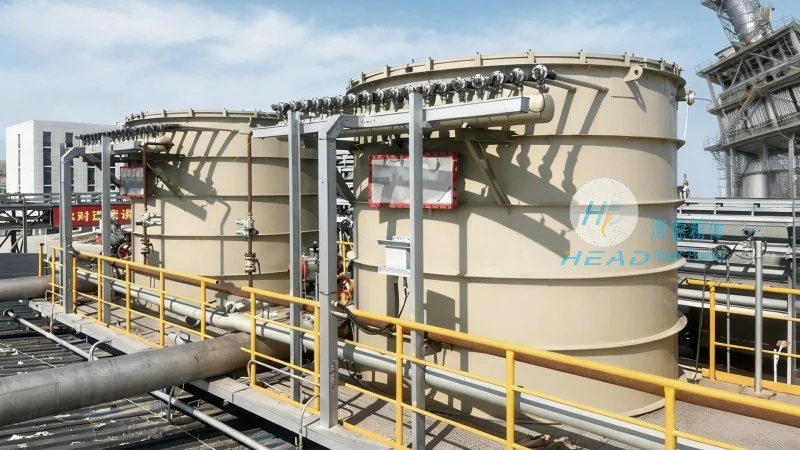
Working Scene Characteristics of Ceramic Powder Handling Systems
The operational scenarios of ceramic powder handling systems vary significantly based on the specific industry and application. In the ceramics manufacturing sector, these systems are commonly used in the raw material preparation stage, where powders are transported from storage silos to mixing and shaping equipment. The key characteristics in this scenario include high precision in dosage control, minimal particle degradation, and compatibility with various processing temperatures. For example, in the production of porcelain tiles, the system must ensure uniform powder distribution to achieve consistent tile quality and surface finish. In the glass industry, ceramic powders are often used as additives or colorants, and the handling system must maintain strict purity standards to avoid contamination that could affect the final glass properties.
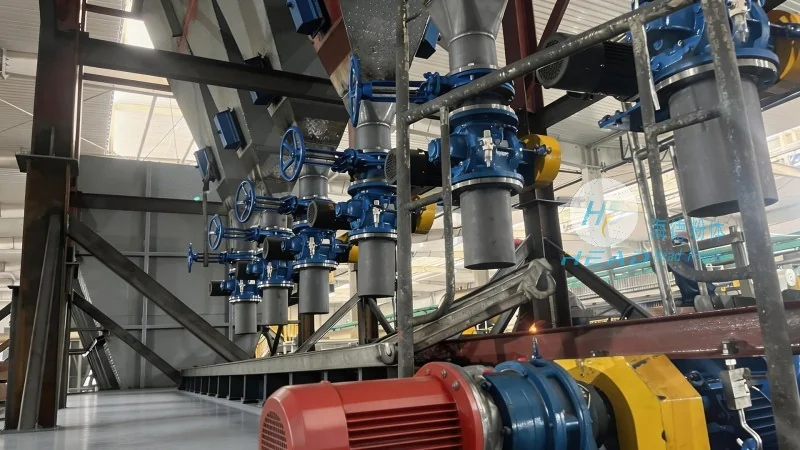
Application in Other Industries
Beyond ceramics and glass, ceramic powder handling systems find applications in the chemical, pharmaceutical, and food processing industries. In the chemical sector, these systems are used to transport catalysts and other fine powders in chemical reactors, where precise dosing is crucial for reaction efficiency. The working scene characteristics here include high temperature resistance and the ability to handle abrasive materials. In the pharmaceutical industry, the systems must adhere to stringent hygiene and contamination control standards, ensuring that the powders are handled in a sterile environment. This is particularly important for active pharmaceutical ingredients (APIs) where even trace contaminants can impact product efficacy and safety. The mechanical systems, such as closed-loop screw conveyors, are often preferred in these applications to prevent cross-contamination and maintain product integrity.
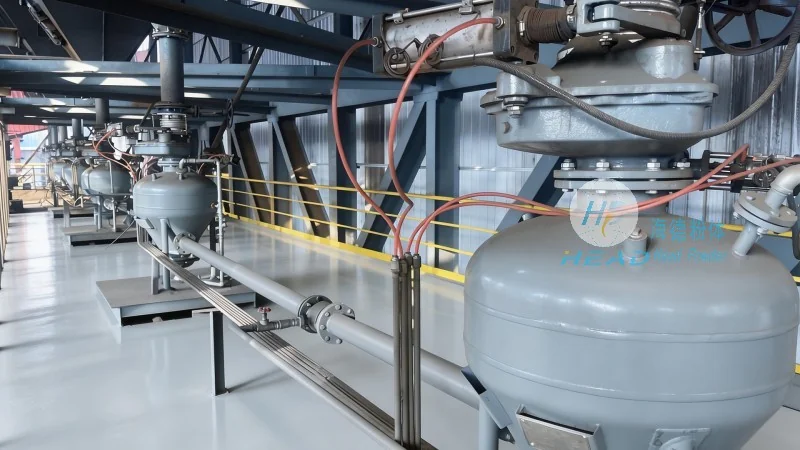
Company Profile: Shandong HeadPowder Engineering Co., Ltd.
Shandong HeadPowder Engineering Co., Ltd., commonly known as headpowder, is a specialized engineering company based in Shandong, China. The company has been dedicated to the design, manufacturing, and integration of advanced powder handling solutions for over two decades. With a strong focus on innovation and customer-centric solutions, headpowder has established itself as a trusted partner for industries requiring reliable and efficient ceramic powder handling systems. The company’s headquarters and main operations are located in Shandong, providing a strategic advantage in serving the domestic and international markets with tailored solutions that meet specific operational requirements.