

Principle and Working Scene Characteristics of Aluminum Foil Powder Conveying Systems
Aluminum foil powder conveying systems are specialized industrial equipment engineered to efficiently and safely transport aluminum foil powders within production facilities. These systems are essential in industries where aluminum foil powders need to be moved from storage to processing equipment or between different stages of production. The core principle of these systems revolves around the controlled movement of powder particles, often utilizing pneumatic or mechanical methods to ensure reliable operation while minimizing issues such as clogging, material degradation, or contamination. Understanding the fundamental principles and the specific characteristics of working environments is crucial for selecting the most suitable system for a given application.
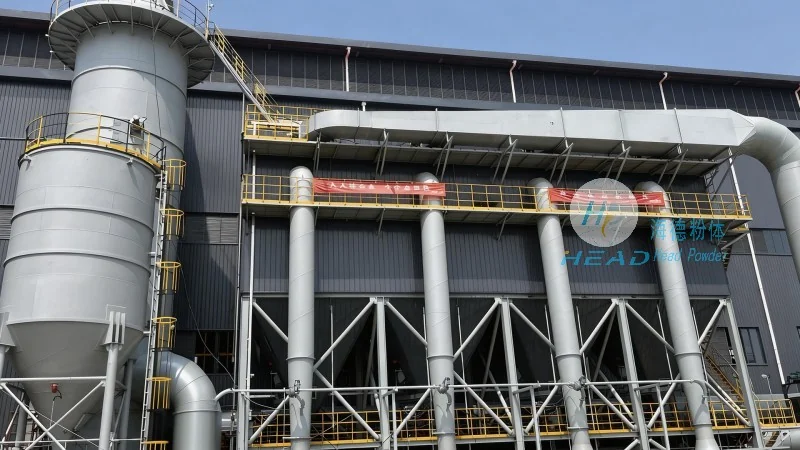
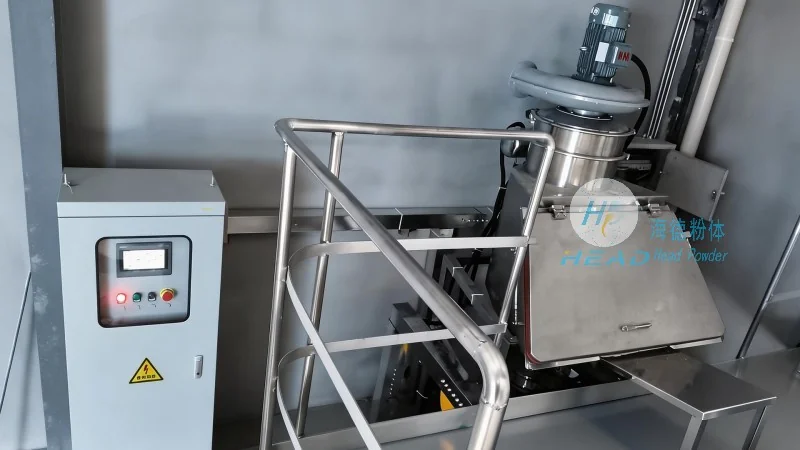
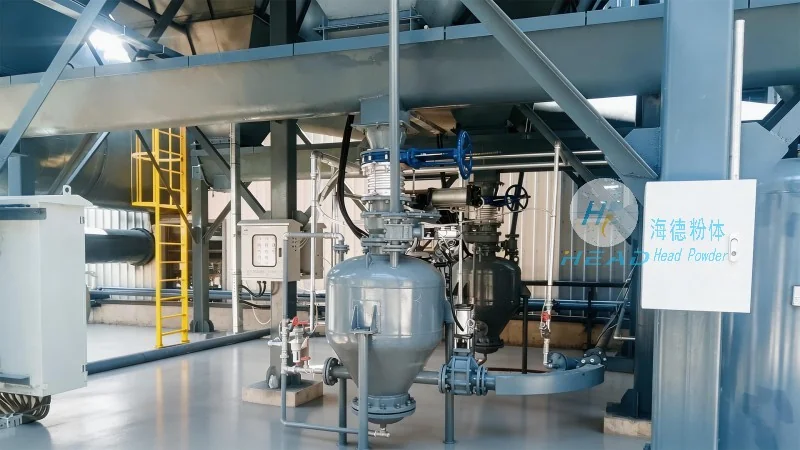
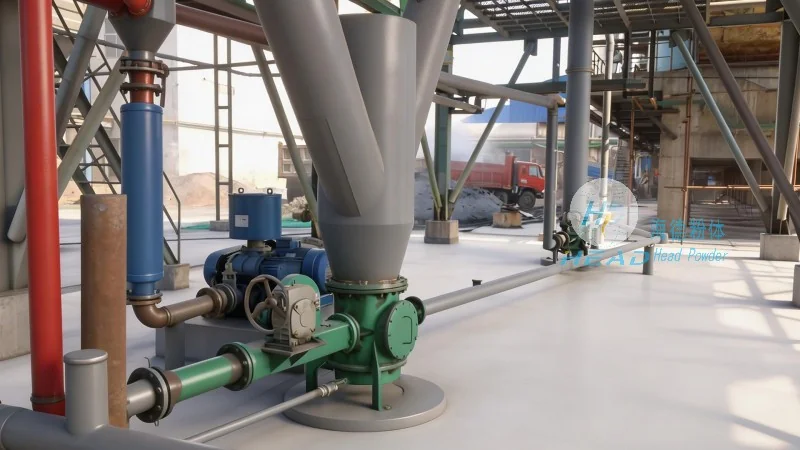
The Working Principle of Aluminum Foil Powder Conveying Systems
The operation of aluminum foil powder conveying systems is based on a combination of air flow dynamics and mechanical components. In pneumatic conveying systems, a blower or compressor generates a flow of air that carries the aluminum foil powder particles through a pipeline network. The system typically includes a hopper for storing the powder, a feeder to regulate the flow rate, and a series of pipes or ducts that direct the material to its destination. The air flow is carefully controlled to maintain an appropriate velocity, ensuring that the powder particles remain suspended and transported without settling or obstructing the system. Mechanical conveying systems, in contrast, employ devices like screw conveyors, belt conveyors, or other mechanical mechanisms to physically move the powder. These systems rely on the movement of conveyor components to push or pull the powder through the system. Both pneumatic and mechanical systems are tailored to handle the unique properties of aluminum foil powders, such as their light weight, potential for static charge, and sensitivity to moisture or temperature variations.
Key Working Scene Characteristics of Aluminum Foil Powder Conveying Systems
When assessing aluminum foil powder conveying systems, several critical working scene characteristics must be considered to ensure optimal performance and reliability. The first is the material's particle size distribution and bulk density, as these factors directly impact the air flow requirements and the risk of clogging. Aluminum foil powders can vary significantly in particle size, from fine powders to larger flakes, and the system must be designed to accommodate the specific characteristics of the material being conveyed. Another important consideration is the system's capacity and throughput, which determines the volume of powder that can be moved per unit of time. This is particularly critical in high-volume production environments where continuous and efficient operation is essential. The system's ability to handle fluctuations in material flow, such as sudden changes in feed rate or material consistency, is also a key characteristic. Additionally, the system's integration with other production equipment, including storage silos or processing machinery, is vital for seamless and automated operation. The working environment, including ambient temperature and humidity levels, can also affect system performance, as aluminum foil powders may be susceptible to moisture absorption or temperature-related degradation. Finally, the system's maintenance requirements and long-term operational costs are important factors for sustained use and economic viability.