

Principle and Working Scene Characteristics of Boron Nitride Pneumatic Conveying Systems
HeadPowder, a leading manufacturer based in Shandong, China, specializes in the design and production of advanced pneumatic conveying equipment. Among their product portfolio is the Boron Nitride Pneumatic Conveying Machine, which has gained recognition for its efficiency and adaptability in handling boron nitride powder. This article delves into the fundamental principles behind these systems and explores the specific characteristics of their operational environments.
The Core Principle of Pneumatic Conveying
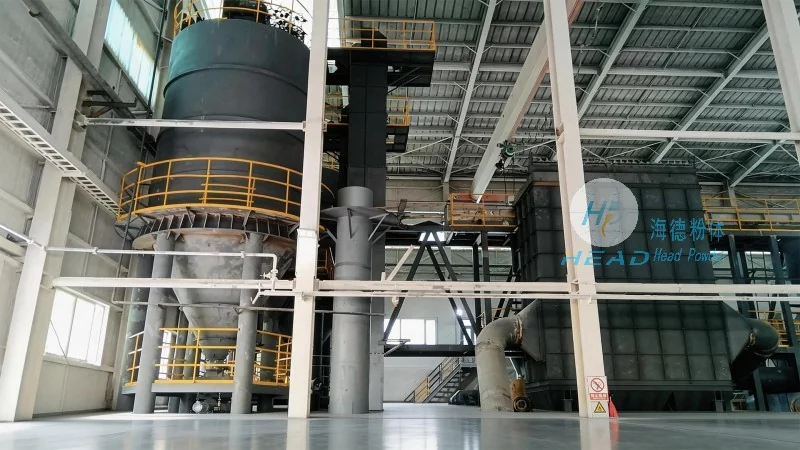
The operation of a boron nitride pneumatic conveying system relies on the fundamental principle of transporting bulk materials through a pipeline using a gas stream, typically air or other gases. In this system, the powder is suspended in the gas flow and carried to the destination. The process involves several key components, including a hopper for material storage, a feeder to control the flow rate, a conveying line, and a receiver to collect the material at the end of the line. The air pressure or vacuum created within the system propels the powder, ensuring a continuous and efficient transfer. The design of the system is tailored to the physical properties of boron nitride, such as its fine particle size and low bulk density, which require specialized handling to prevent clogging and ensure smooth operation.
Key Components and Their Functions
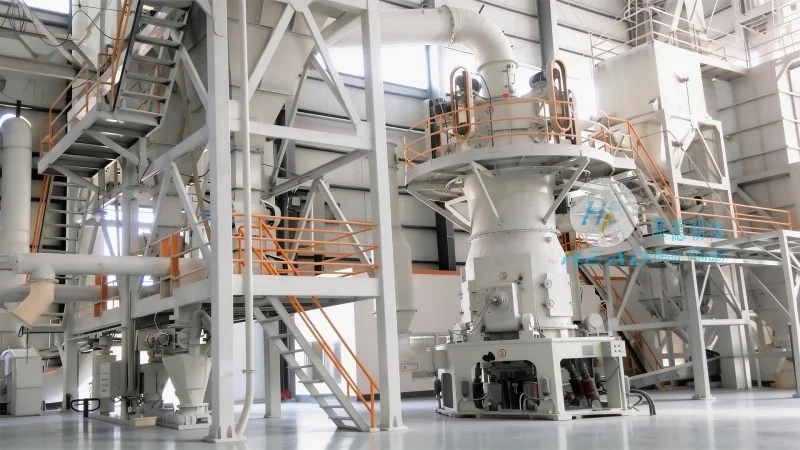
Each component of the boron nitride pneumatic conveying system plays a critical role in the overall performance. The hopper, often equipped with a discharge valve, stores the boron nitride powder and maintains a consistent material level. The feeder, which can be a rotary valve or a screw feeder, regulates the flow rate to match the conveying requirements. The conveying line, made of materials resistant to the chemical properties of boron nitride, ensures minimal wear and tear. The receiver, typically a tank or a container, collects the material at the end of the pipeline. Additionally, the system may include filters and cyclones to separate the powder from the air stream, maintaining air quality and preventing dust accumulation. These components work in harmony to achieve a reliable and efficient material transfer process.
Working Scene Characteristics
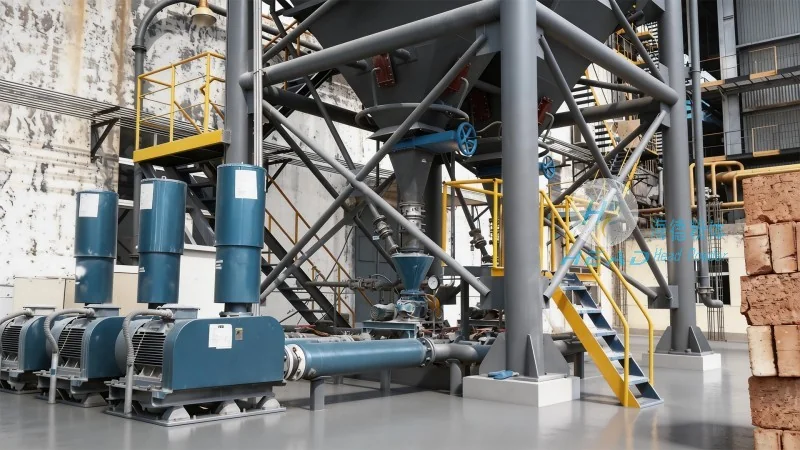
The operational environments for boron nitride pneumatic conveying systems vary based on the application and the scale of the operation. For industrial settings, such as manufacturing facilities or processing plants, these systems are commonly used in production lines where boron nitride is used as a filler or a coating material. The working environment in these settings is characterized by high precision requirements, as the material needs to be transferred with minimal loss and contamination. The systems are often integrated into automated production lines, requiring seamless coordination with other machinery. In research and development laboratories, smaller-scale versions of the pneumatic conveying systems are used for testing and sample preparation, where the focus is on accuracy and reproducibility. The working environment in labs is typically more controlled, with stricter cleanliness standards to prevent contamination of the boron nitride powder. Furthermore, the systems are also applied in specialized industries, such as aerospace or electronics, where the purity of boron nitride is critical for the final product quality. The working scene characteristics highlight the versatility of the pneumatic conveying systems, which can adapt to different operational scales and requirements.
Advantages and Applications
Boron nitride pneumatic conveying systems offer several advantages that make them suitable for handling boron nitride powder. One of the primary advantages is the ability to transport the material without direct contact with the conveying equipment, which reduces the risk of contamination and wear. This is particularly important for boron nitride, as it is a high-value material used in various high-tech applications. Another advantage is the flexibility in system design, allowing customization based on the specific needs of the user. The systems can be configured for both pressure and vacuum conveying, providing versatility in material transfer. Additionally, the systems are energy-efficient, as they use compressed air or vacuum to move the material, reducing operational costs. The applications of these systems are diverse, ranging from the production of boron nitride-based composites to the coating of electronic components. In the composites industry, the pneumatic conveying system ensures a uniform distribution of boron nitride powder in the matrix, enhancing the mechanical properties of the final product. In the electronics industry, the system is used to apply boron nitride coatings to components, improving their thermal conductivity and stability. These advantages and applications underscore the importance of the boron nitride pneumatic conveying systems in modern manufacturing processes.
Conclusion
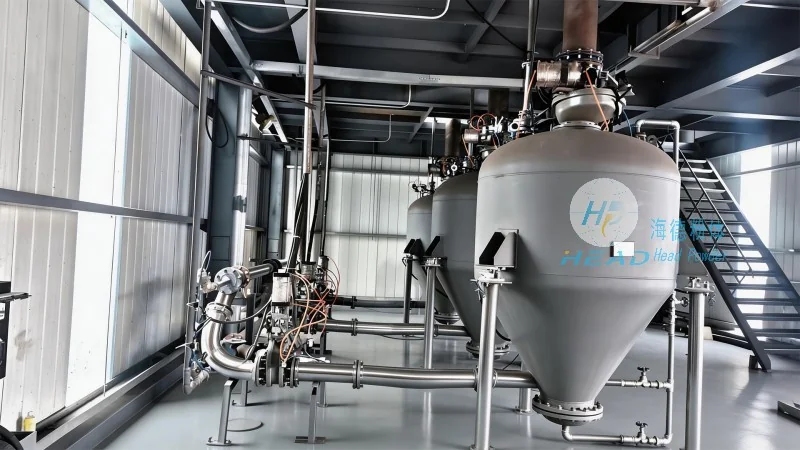
HeadPowder's boron nitride pneumatic conveying systems exemplify the integration of advanced engineering principles with practical application. By understanding the core principles of pneumatic conveying and the specific characteristics of boron nitride, these systems provide efficient and reliable material transfer solutions. The working scene characteristics highlight the adaptability of the systems to various industrial and laboratory settings, ensuring that they meet the diverse needs of users. As a manufacturer based in Shandong, China, HeadPowder continues to innovate and improve its products to meet the evolving demands of the market. The boron nitride pneumatic conveying systems remain a critical component in the processing and handling of boron nitride, contributing to the advancement of various industries.