

Principle and Working Scene Characteristics of Cement Particle Pneumatic Conveying Lines
HeadPowder, a leading manufacturer based in Shandong, China, specializes in the design and implementation of cement particle pneumatic conveying lines. These systems are engineered to efficiently transport bulk cement particles through an air-driven process, offering a reliable solution for various industrial applications.
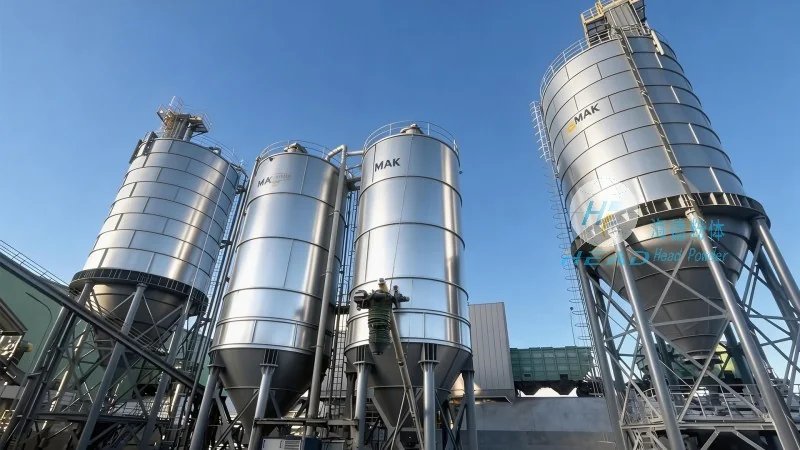
Working Principle of Cement Particle Pneumatic Conveying Lines
The core mechanism of cement particle pneumatic conveying lines involves the use of compressed air to move solid particles through a pipeline. The system typically comprises a hopper for material storage, a feeder to control the flow rate, a conveying pipeline, and a receiver for the discharged material. As the compressed air is introduced into the pipeline, it creates a low-pressure zone that draws the cement particles into the flow. The air and particles are then propelled through the system, with the air acting as the medium for transport. This process ensures that the cement is moved without direct contact with mechanical components, reducing wear and maintenance requirements.
Key Working Scene Characteristics
The working scene characteristics of cement particle pneumatic conveying lines are tailored to meet the demands of different industrial environments. These systems are particularly effective in applications where traditional mechanical conveying methods may be impractical or inefficient. For instance, in cement production facilities, the lines can transport raw materials or finished products over long distances with minimal energy consumption. In construction sites, they facilitate the delivery of cement to remote areas, enhancing operational flexibility. The systems are also suitable for use in environments where dust control is critical, as the enclosed pipeline design helps to contain particulate matter and prevent air pollution.
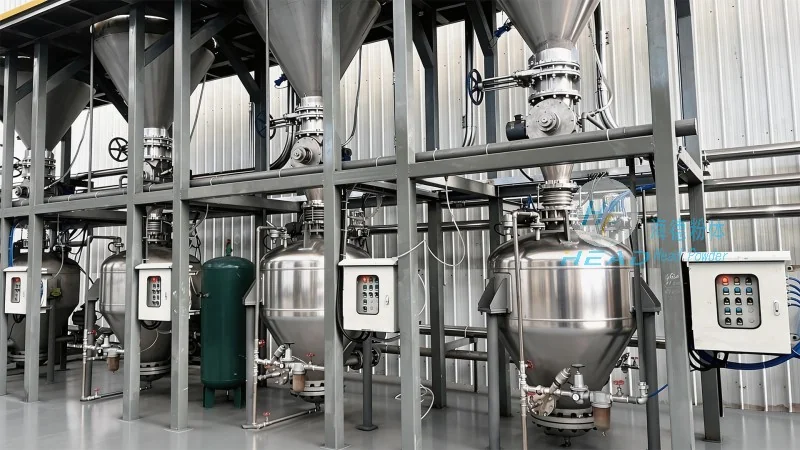
Advantages in Specific Application Scenarios
When deployed in specific working scenes, cement particle pneumatic conveying lines exhibit several distinct advantages. In high-volume cement processing plants, the continuous operation of these systems allows for seamless material flow, reducing downtime and increasing overall productivity. The ability to handle large quantities of material at once makes them ideal for bulk material handling tasks. Additionally, the systems are adaptable to different particle sizes and types, making them versatile for various cement products. In terms of maintenance, the air-driven design minimizes mechanical wear, leading to lower operational costs over time. The enclosed nature of the pipeline also contributes to better safety standards, as it prevents dust exposure to workers and the surrounding environment.
Integration with Industrial Workflows
Cement particle pneumatic conveying lines are often integrated into broader industrial workflows to enhance efficiency and streamline operations. In cement manufacturing, these systems can be connected to other processing equipment, such as grinding mills or storage silos, to create a cohesive material handling network. This integration ensures that the cement moves from one stage of production to the next without manual intervention, improving process consistency. The systems also support automated control systems, allowing for real-time monitoring and adjustment of conveying parameters. This level of automation helps to optimize performance and reduce human error in material handling tasks.
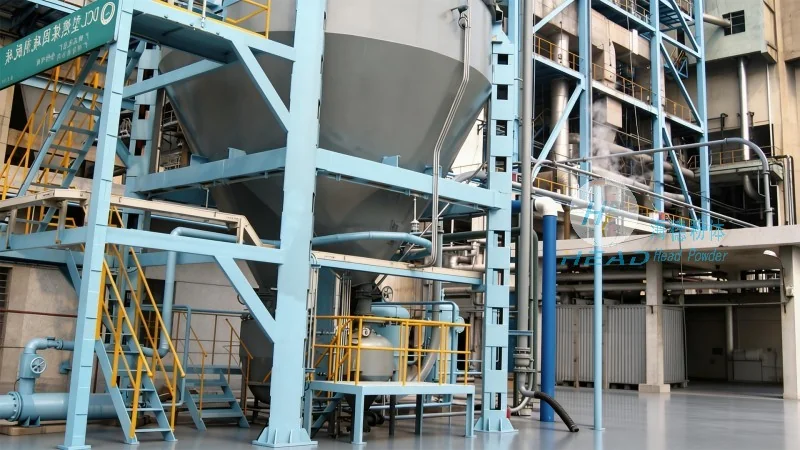
Customization for Diverse Working Environments
HeadPowder recognizes that different working scenes may require customized solutions. Therefore, the company offers tailored cement particle pneumatic conveying lines to meet specific operational needs. Factors such as the distance of transport, the volume of material, and the environmental conditions are considered during the design phase. For example, in a small-scale construction site, a compact conveying line with a lower air pressure might be sufficient. In contrast, a large-scale cement plant may require a high-capacity system with multiple pipelines and advanced control features. The customization process ensures that the final system is optimized for the intended working environment, maximizing efficiency and reliability.
Conclusion on Working Scene Characteristics
In conclusion, cement particle pneumatic conveying lines from HeadPowder are designed to address the unique challenges of various working scenes. By leveraging the principles of air-driven transport, these systems provide an efficient, reliable, and cost-effective solution for cement particle handling. The working scene characteristics, including adaptability, low maintenance, and environmental benefits, make them a preferred choice for industries seeking to enhance their material handling capabilities. As a company based in Shandong, China, HeadPowder continues to innovate and provide high-quality solutions that meet the evolving demands of the cement industry.