

Principle and Working Scene Characteristics of Organic Fertilizer Pneumatic Conveying Lines
Shandong HeadPowder Engineering Co., Ltd., commonly known as HeadPowder, is a professional manufacturer and supplier specializing in the design, production, and installation of pneumatic conveying systems for organic fertilizers. The company is headquartered in Shandong, China, and has established a strong reputation in the industry for its innovative solutions and reliable products. HeadPowder focuses on providing high-quality equipment tailored to the specific needs of the organic fertilizer sector, ensuring efficient and safe material handling processes.
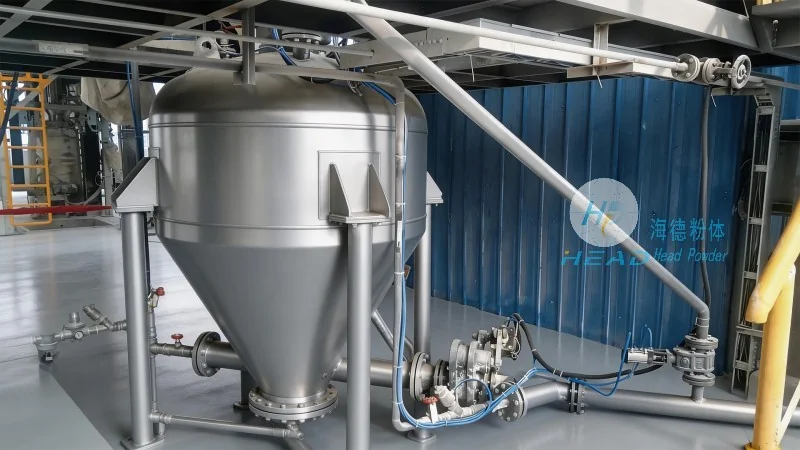
Overview of Organic Fertilizer Pneumatic Conveying Lines
Organic fertilizer pneumatic conveying lines are advanced systems designed to transport bulk organic fertilizer materials from storage silos or production areas to processing units or packaging stations. These systems utilize air pressure to move the material through a network of pipes, eliminating the need for traditional mechanical conveyors that may cause material degradation or contamination. The technology is particularly suitable for handling fine or powdery organic fertilizers, such as compost, manure, or bio-fertilizers, which require gentle and hygienic handling to maintain product quality.
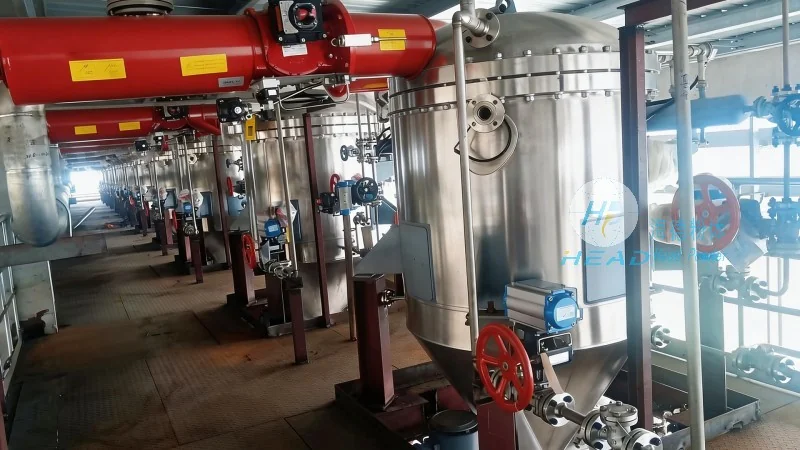
The Principle of Pneumatic Conveying
The principle of pneumatic conveying involves the use of compressed air to create a flow that transports the solid material. In a typical system, the organic fertilizer is fed into a hopper, where it is then drawn into a pipeline by the air flow. The air velocity is carefully controlled to ensure that the material is suspended and moved efficiently without causing blockages or excessive wear on the system components. There are two main types of pneumatic conveying systems: dilute phase and dense phase. Dilute phase systems use higher air velocities to transport material in a suspended state, while dense phase systems use lower velocities and higher pressure to move material in a more compacted form, which is beneficial for longer distances or when handling more abrasive materials.
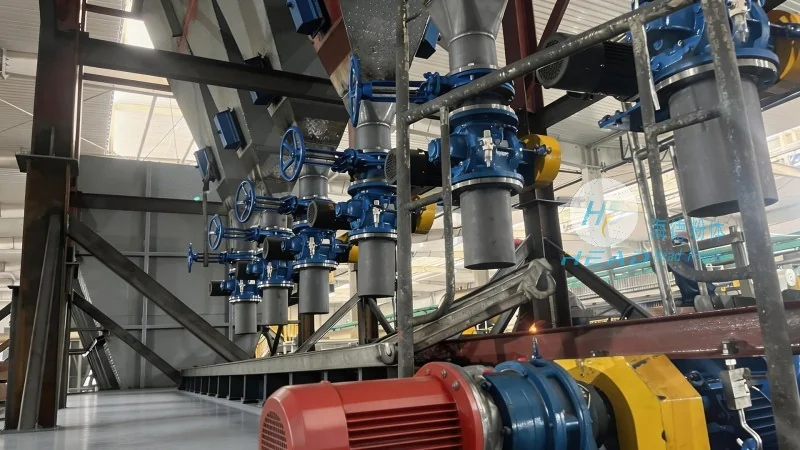
Working Scene Characteristics
The working scene characteristics of organic fertilizer pneumatic conveying lines are tailored to the specific operational requirements of organic fertilizer production facilities. These systems are commonly used in large-scale organic fertilizer plants where bulk material handling is essential for maintaining production efficiency. The key characteristics include high capacity, low maintenance requirements, and the ability to handle a wide range of organic fertilizer types. Additionally, the systems are designed to be hygienic and easy to clean, which is crucial for organic fertilizer production where product purity and compliance with regulatory standards are paramount. The flexibility of the system allows for integration with existing production lines, enabling seamless material transfer without disrupting the overall workflow.
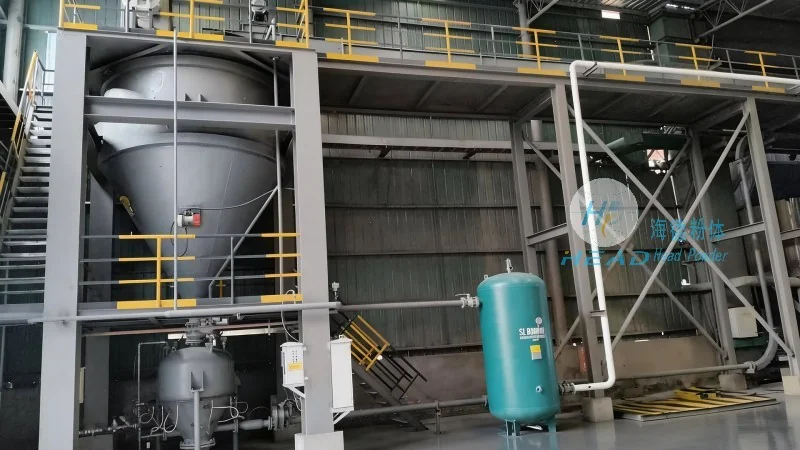
Technical Advantages and Application Scenarios
HeadPowder's organic fertilizer pneumatic conveying lines offer several technical advantages that make them ideal for modern organic fertilizer production. The systems are engineered to provide high efficiency in material transport, reducing downtime and increasing overall production throughput. The use of air as the conveying medium minimizes material degradation, ensuring that the organic fertilizer retains its nutritional value and quality. Furthermore, the systems are designed with durability in mind, using high-quality materials that can withstand the abrasive nature of organic fertilizers and the rigors of continuous operation. The working scene characteristics also include the ability to handle varying material densities and moisture content, making the system versatile for different types of organic fertilizers. In practical applications, these systems are used in various stages of organic fertilizer production, from raw material intake to final product packaging, ensuring a smooth and efficient workflow throughout the entire process.