

Principle and Working Scene Characteristics of Steel Sand Pneumatic Conveying Lines
Steel sand pneumatic conveying lines are advanced industrial equipment designed to transport steel sand and similar bulk materials efficiently through an air-driven system. This technology has become a critical component in various manufacturing and processing industries, offering a solution for material handling challenges that traditional methods cannot address effectively.
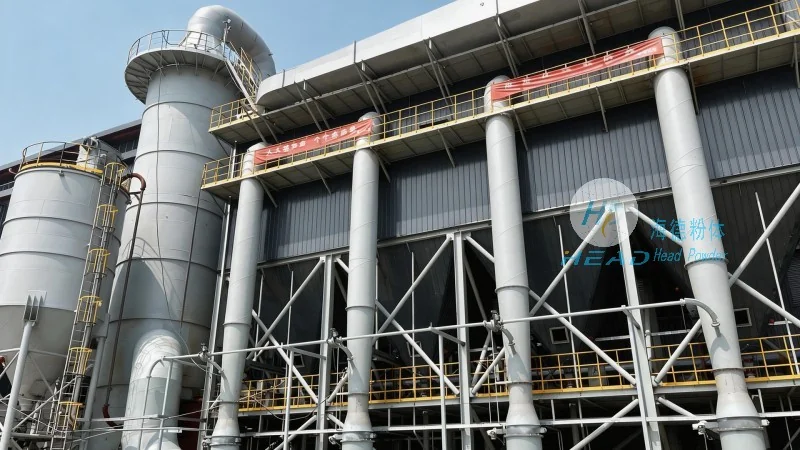
Introduction to Steel Sand Pneumatic Conveying Systems
HeadPowder, a leading manufacturer based in Shandong, China, specializes in the design, development, and implementation of high-performance steel sand pneumatic conveying lines. The company's expertise lies in creating customized solutions tailored to the specific needs of clients, ensuring optimal performance and reliability in demanding operational environments.
The Fundamental Principle of Pneumatic Conveying
The core principle of steel sand pneumatic conveying involves the use of compressed air to move solid materials through a pipeline system. Unlike traditional mechanical conveyors, which rely on belts, buckets, or screws, pneumatic systems utilize air pressure to transport materials in a fluidized state. This method eliminates the need for physical contact between the material and the conveyor components, reducing wear and tear and minimizing the risk of material contamination.
Compressed air is introduced into the conveying line at one end, creating a pressure differential that propels the steel sand particles through the pipeline. The velocity and pressure of the air are carefully controlled to ensure that the material is transported smoothly without causing blockages or excessive pressure drops. This principle allows for the efficient movement of steel sand over long distances and through complex layouts, making it suitable for a wide range of industrial applications.
Key Components and Their Functions
A typical steel sand pneumatic conveying line consists of several essential components, each playing a crucial role in the overall operation. These components include the material feed hopper, the air compressor, the conveying pipeline, the control valves, and the discharge unit. The feed hopper is responsible for storing and feeding the steel sand into the system, while the air compressor generates the necessary pressure to move the material. The pipeline, often made of durable materials such as stainless steel or high-density polyethylene, ensures the material is transported safely and efficiently. Control valves regulate the air flow and pressure, allowing operators to adjust the conveying rate as needed. Finally, the discharge unit collects the steel sand at the end of the line, completing the material transfer process.

Working Scene Characteristics and Applications
Steel sand pneumatic conveying lines are widely used in various industrial sectors, including construction, foundries, and metal processing. The working scene characteristics of these systems are tailored to the specific requirements of each application. For example, in construction, they are used to transport steel sand for concrete mixing and reinforcement, ensuring consistent material quality and reducing labor costs. In foundries, the system is employed to move steel sand for mold making and casting processes, improving production efficiency and reducing waste.
In metal processing industries, the pneumatic conveying lines are utilized to transport steel sand for surface treatment and finishing operations. The ability to handle abrasive materials like steel sand without causing damage to the equipment makes these systems ideal for high-volume production environments. Additionally, the flexibility of the system allows it to be integrated into existing production lines, minimizing downtime and enhancing overall operational efficiency.
Advantages of Steel Sand Pneumatic Conveying Lines
Compared to traditional material handling methods, steel sand pneumatic conveying lines offer several significant advantages. One of the primary benefits is the reduction in labor costs, as the system automates the material transport process, eliminating the need for manual handling. This not only improves safety in the workplace but also increases productivity. Another advantage is the minimal space requirement, as the pipeline system can be installed in a compact layout, making it suitable for facilities with limited floor space.
The system also provides better material control and consistency. By maintaining a consistent air flow and pressure, the conveying rate can be precisely controlled, ensuring that the steel sand is delivered at the exact rate required by the downstream processes. This consistency is crucial for maintaining product quality and reducing defects in the final products. Furthermore, the pneumatic system reduces the risk of material contamination, as the material is not in direct contact with the conveyor components, which is particularly important for applications where material purity is critical.
Customization and Integration Capabilities
HeadPowder understands that each industrial application has unique requirements, and therefore, offers comprehensive customization options for steel sand pneumatic conveying lines. The company works closely with clients to understand their specific needs and design a system that meets their operational goals. This includes selecting the appropriate material for the pipeline, determining the optimal air pressure and flow rate, and integrating the system with existing production equipment.
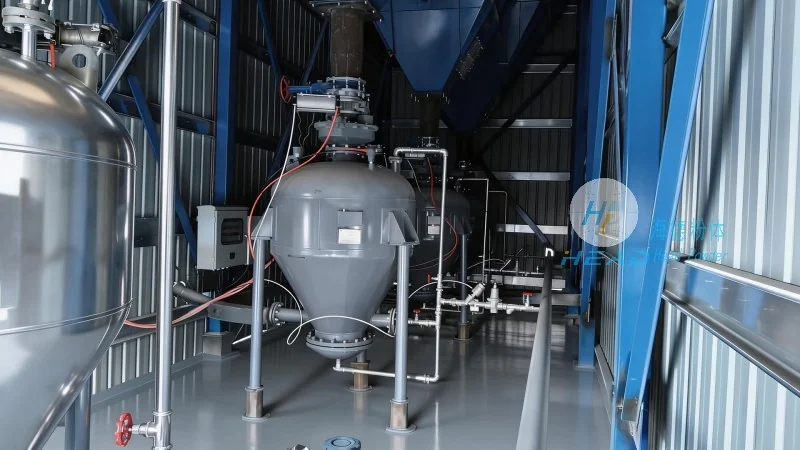
The integration capabilities of the system are another key feature. HeadPowder's engineers can design the conveying line to seamlessly connect with existing machinery, such as mixers, furnaces, or processing units. This ensures a smooth transition of materials from one stage of production to the next, minimizing bottlenecks and improving overall workflow efficiency. The company also provides installation and commissioning services, ensuring that the system is properly set up and operational from the start.
Reliability and Maintenance Considerations
Reliability is a critical factor in industrial operations, and steel sand pneumatic conveying lines from HeadPowder are designed to provide long-term, trouble-free performance. The use of high-quality materials and robust construction ensures that the system can withstand the harsh conditions associated with steel sand handling, such as abrasion and high temperatures. Regular maintenance is essential to keep the system operating at peak efficiency, and HeadPowder offers comprehensive maintenance services to ensure that the equipment remains in optimal condition.
Maintenance activities typically include checking and replacing air filters, inspecting the pipeline for any signs of wear or damage, and cleaning the feed hopper and discharge unit. These tasks are usually performed on a routine basis and can be scheduled to minimize downtime. HeadPowder's technical support team is available to assist with any maintenance or troubleshooting needs, ensuring that clients can rely on their equipment for continuous operation.
Conclusion
Steel sand pneumatic conveying lines are a highly effective solution for material handling in various industrial applications. With their efficient operation, flexibility, and reliability, these systems offer significant advantages over traditional methods. HeadPowder, with its expertise and commitment to quality, provides top-tier solutions that meet the specific needs of clients, ensuring optimal performance and long-term value. As industries continue to evolve and demand more efficient material handling solutions, the role of pneumatic conveying systems will only become more critical, making them an essential component of modern industrial operations.