

Principle and Working Scene Characteristics of Loess Pneumatic Conveying Lines
Loess pneumatic conveying lines represent a sophisticated technology designed to transport loess—a fine-grained soil material—through a system driven by air pressure or vacuum. The core principle involves the use of a pipeline network where air is introduced to create a flow that carries the loess particles. This method eliminates the need for mechanical components like belts or buckets, offering a dust-free and efficient solution for material handling in various industrial and construction settings. The technology is particularly effective for handling dry, powdery materials such as loess, which are prone to dust and require controlled movement without contamination. Shandong HeadPowder Engineering Co., Ltd., a professional manufacturer based in Shandong, China, specializes in the design and implementation of these systems, ensuring optimal performance for loess handling applications.
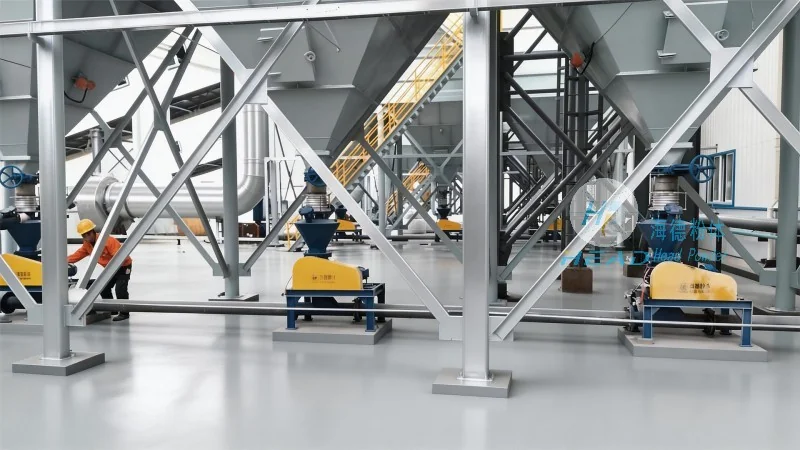
Key Working Principles of Loess Pneumatic Conveying Systems
The operation of loess pneumatic conveying lines is based on two primary modes: dilute-phase and dense-phase conveying. In dilute-phase systems, the air velocity is high enough to keep the loess particles suspended in the air stream, allowing for long-distance transport with minimal pressure drop. Dense-phase systems, on the other hand, use lower air velocities to create a more concentrated mixture of air and material, which is beneficial for transporting sensitive or abrasive materials. The choice between these modes depends on the specific characteristics of the loess, including particle size, moisture content, and the required transport distance. The system typically includes components such as a material feeder, a conveying line, a separator, and a receiver. The feeder ensures a consistent flow of loess into the pipeline, while the separator separates the material from the air before it is collected in the receiver. This design minimizes material loss and maintains air quality by preventing dust emissions.
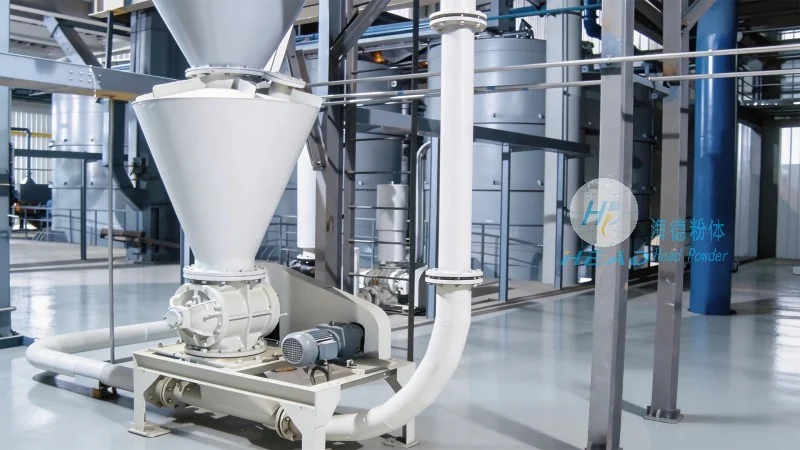
Typical Working Scenes and Applications
Loess pneumatic conveying lines are widely applied in scenarios where the handling of loess is critical for construction projects, mining operations, or environmental remediation. For instance, in large-scale construction sites, these systems are used to transport loess from excavation areas to storage or processing facilities, ensuring a continuous workflow without manual labor. In mining, they facilitate the movement of loess from open-pit mines to processing plants, where it may be used as raw material for cement or other building materials. Environmental applications include the transport of loess from contaminated sites to disposal or treatment facilities, where the dust-free nature of the system is essential to prevent further pollution. The flexibility of the system allows it to adapt to different operational conditions, such as varying loess volumes or changes in transport distance, making it a versatile solution for diverse industrial needs.
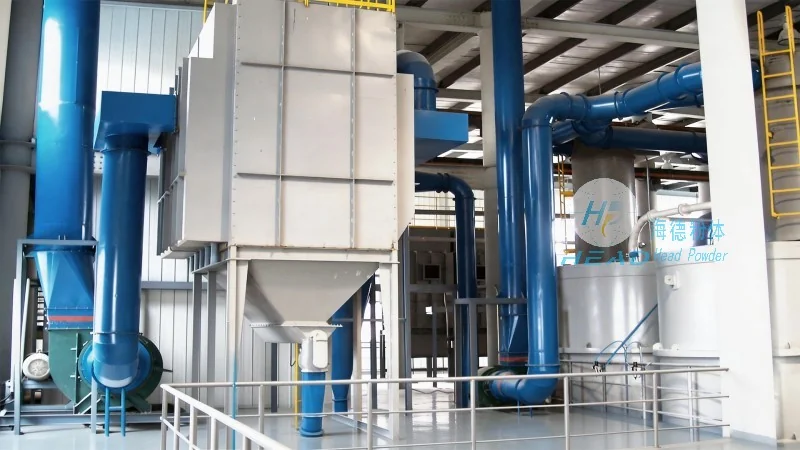
Advantages and Performance Characteristics
One of the primary advantages of loess pneumatic conveying lines is their ability to handle fine-grained materials like loess without the need for additional equipment or labor. The system operates with minimal maintenance, as it lacks moving parts that can wear out or require frequent replacement. Additionally, the dust-free operation reduces health risks for workers and minimizes environmental impact, which is crucial in areas where loess is being handled. Performance-wise, these systems can achieve high transport capacities, often ranging from several tons per hour to tens of tons per hour, depending on the system design and the characteristics of the loess. The efficiency of the system is also enhanced by the ability to adjust air pressure and flow rates to match the specific requirements of the application, ensuring optimal material movement and energy consumption.
Customization and Integration with Industrial Processes
Shandong HeadPowder Engineering Co., Ltd., a leading manufacturer based in China, specializes in designing and manufacturing customized loess pneumatic conveying lines tailored to the unique needs of each client. The company's expertise lies in understanding the specific properties of loess, such as its particle size distribution, moisture content, and flow characteristics, and translating these into an efficient conveying system. Customization options include adjustments to pipeline diameter, material feeder type, and separator design to ensure the system operates at peak efficiency. Integration with existing industrial processes is also a key focus, as the company works closely with clients to ensure the new conveying line complements their current operations without disrupting workflow. This approach results in a seamless transition to the new system, minimizing downtime and maximizing productivity. The company's commitment to quality and innovation ensures that each loess pneumatic conveying line is built to meet the highest standards, providing reliable and long-lasting performance.
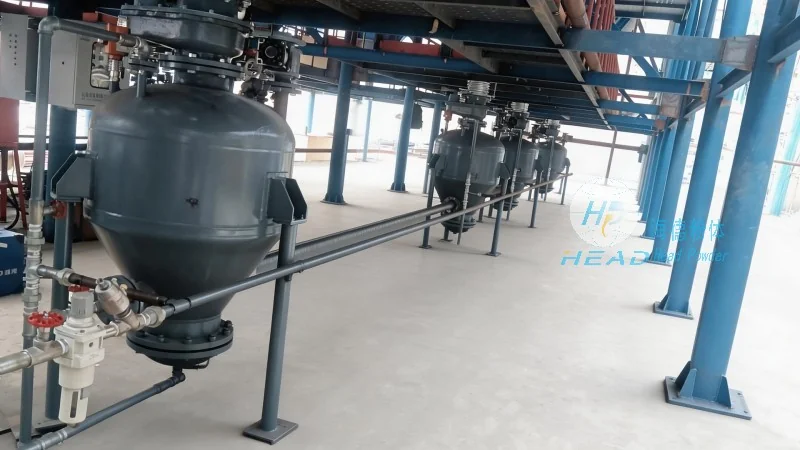
Conclusion and Practical Considerations
In summary, loess pneumatic conveying lines are a highly effective and efficient solution for handling loess in various industrial and construction applications. The technology's ability to transport fine-grained materials without dust and with minimal maintenance makes it a preferred choice over traditional methods. Shandong HeadPowder Engineering Co., Ltd. plays a crucial role in providing these systems, leveraging its expertise and customization capabilities to meet the diverse needs of clients. As the demand for efficient material handling solutions continues to grow, loess pneumatic conveying lines remain a vital component in modern industrial operations, offering a sustainable and reliable approach to loess management.