

Principle and Application Characteristics of Malt Pneumatic Conveying Lines
Malt pneumatic conveying lines are specialized systems designed to transport malt grains efficiently and safely within industrial settings, particularly in the brewing and malting industries. These systems leverage pneumatic technology to move materials through a sealed pipeline using air pressure, offering advantages such as reduced dust, minimal product contamination, and enhanced operational flexibility. The core principle revolves around creating a pressure differential to draw or push the malt through the system, with configurations tailored to specific process requirements. HeadPowder, a leading provider of engineering solutions for the food and beverage industry, specializes in designing and manufacturing such systems to meet the demands of modern malting and brewing operations.
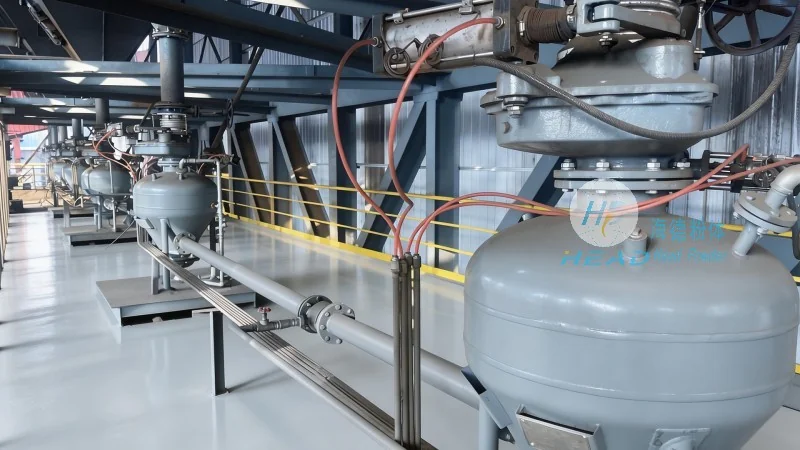
The Fundamental Working Principle of Malt Pneumatic Conveying
At the heart of malt pneumatic conveying lines lies the concept of air-driven material transport. There are two primary modes: suction (or aspirating) and pressure (or blowing) systems. Suction systems operate by creating a negative pressure at the inlet, drawing malt from a hopper or storage area into the pipeline. This method is ideal for applications where the material needs to be moved from a lower or elevated source to a processing unit. Conversely, pressure systems generate positive pressure at the inlet, pushing the malt through the line. This approach is commonly used when the material must be transported to a higher elevation or over longer distances. Both modes rely on the principle of air flow to entrain the solid particles, with the velocity and pressure of the air being critical factors in determining the efficiency and capacity of the system.
Key Components and Their Roles in Malt Pneumatic Conveying Lines
Effective malt pneumatic conveying lines consist of several interconnected components, each playing a vital role in the overall operation. The primary components include the hopper or storage bin, which holds the malt; the conveying line itself, typically made of stainless steel or other corrosion-resistant materials to ensure durability and hygiene; the air supply system, which provides the necessary pressure or vacuum; and the control valves and regulators that manage the flow of air and material. Additionally, the system may incorporate filters, cyclones, or dust collectors to separate the malt from the air and prevent contamination. The design of these components is crucial, as they must withstand the abrasive nature of malt grains and maintain a high level of cleanliness to meet industry standards.

Working Scene Characteristics: Application in Industrial Settings
The working scene characteristics of malt pneumatic conveying lines are closely tied to their application in industrial environments, particularly in breweries and malting facilities. One key characteristic is the system's ability to handle high volumes of malt with minimal labor, making it suitable for large-scale production. This is especially important in modern brewing operations where efficiency and consistency are paramount. Another characteristic is the reduced risk of cross-contamination, as the sealed pipeline prevents exposure to external elements and other materials. This is critical in food processing industries where product purity is a top priority. Furthermore, the flexibility of pneumatic systems allows for easy integration with existing production lines, enabling manufacturers to adapt to changing production needs without significant modifications.
Operational Efficiency and Performance Metrics in Malt Pneumatic Conveying
Operational efficiency is a key consideration when evaluating malt pneumatic conveying lines. Performance metrics such as conveying capacity, which measures the volume of malt moved per unit time, and pressure drop, which indicates the energy required to transport the material, are critical factors. High-efficiency systems are designed to minimize pressure drop while maximizing capacity, ensuring that the malt is moved quickly and with minimal energy consumption. The system's ability to maintain consistent flow rates is also important, as fluctuations can impact the quality of the final product. Additionally, the durability of the components, particularly the conveying line and air supply system, contributes to long-term operational efficiency by reducing downtime and maintenance costs.
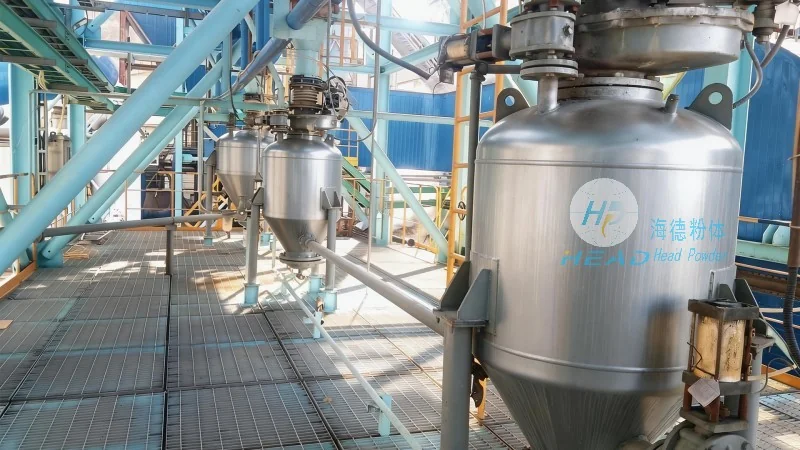
Customization and Adaptability for Diverse Industrial Needs
Another important characteristic of malt pneumatic conveying lines is their adaptability to diverse industrial needs. Manufacturers often customize these systems to meet specific requirements, such as varying the length of the conveying line, adjusting the pressure or vacuum levels, or integrating additional components like filters or cyclones. This flexibility allows the system to be tailored to different production scales, from small-scale microbreweries to large-scale commercial breweries. The adaptability also extends to the type of malt being transported, as different varieties may require different conveying parameters. For example, lighter or more delicate malts may need lower air velocities to prevent damage, while heavier or more abrasive malts may require higher pressure or different line materials to ensure efficient transport.
Conclusion: The Role of Malt Pneumatic Conveying Lines in Modern Manufacturing
In conclusion, malt pneumatic conveying lines represent a sophisticated and efficient solution for transporting malt in industrial settings. By leveraging pneumatic technology, these systems offer advantages such as reduced dust, minimal contamination, and high operational flexibility. The fundamental principles of suction and pressure systems, combined with carefully designed components, enable the efficient movement of malt from storage to processing units. The working scene characteristics, including high efficiency, adaptability, and hygiene, make these systems indispensable in modern brewing and malting operations. As the demand for high-quality malt and efficient production processes continues to grow, the role of malt pneumatic conveying lines will remain critical in ensuring the smooth operation of industrial facilities.