

Principles and Working Scene Characteristics of Grain Pneumatic Conveying Lines
Grain pneumatic conveying lines are an essential part of modern agricultural and food processing operations, designed to efficiently transport bulk materials like grains, cereals, and other dry bulk solids. The technology behind these systems leverages the principles of fluid dynamics to move materials through a pipeline using air or other gases. Understanding the core principles and the diverse working scene characteristics of such systems is crucial for optimizing material handling processes in various industrial settings.
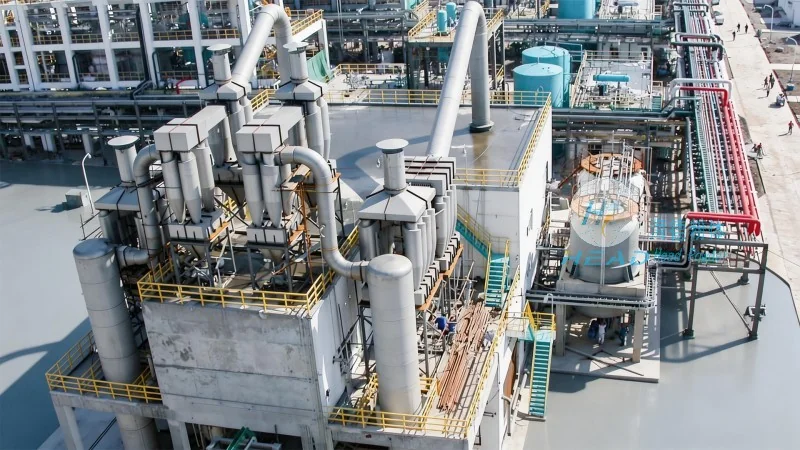
Core Principles of Grain Pneumatic Conveying Systems
The fundamental principle of grain pneumatic conveying is the use of a pressurized or vacuum system to create a flow of air that carries the material particles. This method, often referred to as pneumatic transport, operates by introducing air into a hopper or silo, where the material is then drawn into the pipeline. The air velocity is carefully controlled to ensure that the material is suspended and transported without causing blockages or excessive wear on the system components. The system typically consists of a hopper, a blower or vacuum pump, a pipeline network, and a discharge point. The choice between positive pressure (blower) and negative pressure (vacuum) systems depends on the specific application, material characteristics, and the distance and height of the transport. Positive pressure systems are generally more common for long-distance or high-rise applications, as they can maintain consistent air pressure and prevent material degradation from moisture or dust exposure. Negative pressure systems, on the other hand, are suitable for short-distance or indoor applications where dust control is a priority.
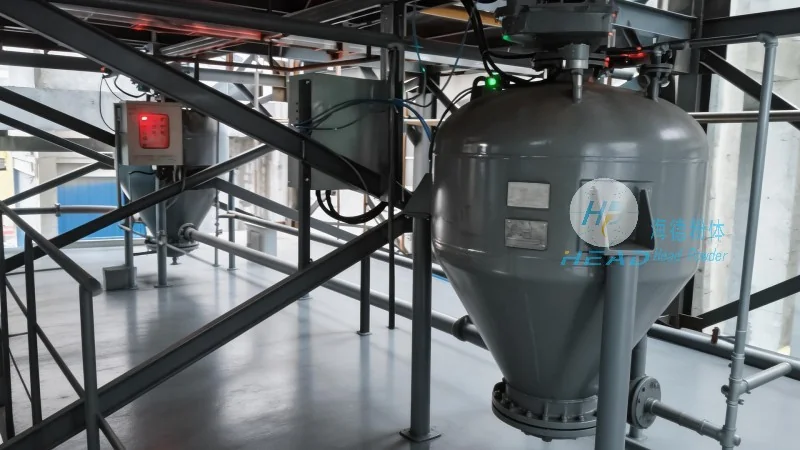
Working Scene Characteristics of Grain Pneumatic Conveying Lines
The working scene characteristics of grain pneumatic conveying lines vary significantly based on the type of material being handled, the scale of the operation, and the environmental conditions. For instance, in large-scale grain processing facilities, such as those operated by Shandong HeadPowder Engineering Co., Ltd., these systems are designed to handle high volumes of material with minimal human intervention. The systems are often integrated with other processing equipment, like cleaning, sorting, and packaging machines, to form a seamless production line. This integration allows for efficient material flow from reception to final product, reducing downtime and increasing overall productivity. In addition to large-scale industrial applications, pneumatic conveying lines are also used in smaller, on-farm settings for tasks like transferring harvested grains from storage bins to processing equipment. The flexibility of these systems allows them to adapt to different working environments, from indoor warehouses to outdoor storage areas. Another key characteristic is the ability to handle a wide range of grain types, including wheat, corn, rice, and soybeans, without causing damage to the material. This versatility makes pneumatic conveying lines a preferred choice for industries that deal with diverse agricultural products. The working scene also considers factors like dust control and environmental impact. Modern systems are equipped with filtration and dust collection systems to minimize the release of particulate matter into the air, ensuring compliance with environmental regulations and maintaining a safe working environment for personnel. The design of the pipeline network, including the use of bends, elbows, and expansion joints, is critical to maintaining the efficiency of the system and preventing material buildup or blockages. Proper maintenance and regular cleaning of the system components are essential to ensure consistent performance and longevity.
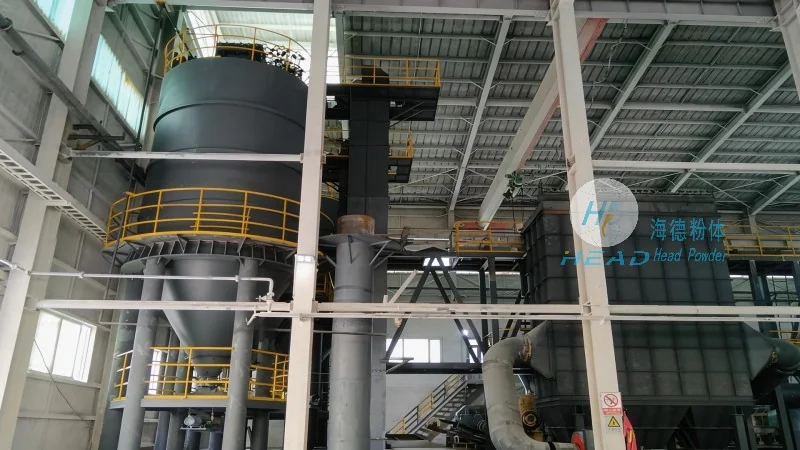
Application Examples and Industry Impact
Grain pneumatic conveying lines are widely used in various industries, including food processing, agriculture, and chemical manufacturing. In the food processing sector, these systems are crucial for transferring raw materials to production lines, ensuring a continuous supply of ingredients for manufacturing. For example, in a flour mill, pneumatic conveying lines can transport wheat from storage silos to grinding machines, where it is processed into flour. The efficiency of these systems reduces the need for manual handling, which not only improves productivity but also enhances workplace safety. In the agricultural sector, pneumatic conveying lines are used to move harvested grains from fields to storage facilities, facilitating the timely processing and storage of crops. This is particularly important during harvest seasons when large volumes of material need to be handled quickly. The ability to transport materials over long distances without the need for intermediate storage points makes pneumatic conveying lines an efficient solution for remote or rural agricultural operations. In the chemical industry, similar principles are applied to transport dry bulk chemicals, where the same technology is adapted to handle materials with different properties, such as moisture content or particle size. The adaptability of pneumatic conveying systems allows them to be customized for specific industry needs, making them a versatile and reliable choice for material handling.
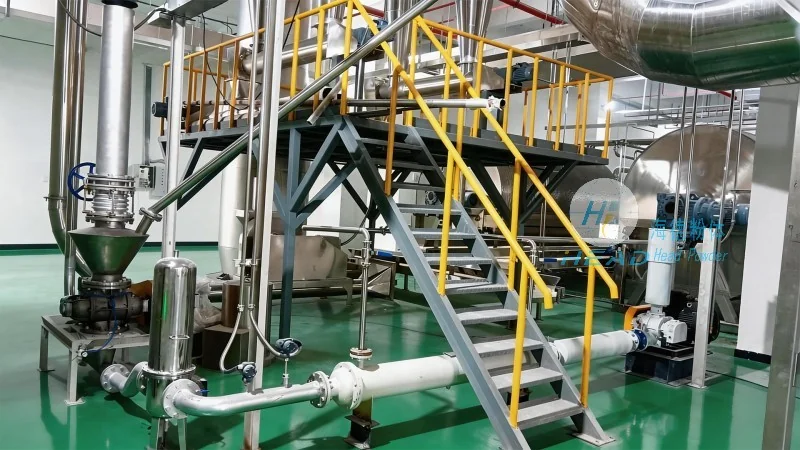
Advantages and Considerations for Implementing Grain Pneumatic Conveying Lines
Implementing grain pneumatic conveying lines offers several advantages over traditional material handling methods, such as belt conveyors or bucket elevators. One of the primary benefits is the ability to transport materials in a closed system, which reduces dust exposure and improves workplace safety. This is particularly important in industries where dust is a health hazard or where environmental regulations are strict. The closed system also helps maintain the quality of the material by preventing contamination from external sources. Another advantage is the flexibility of the system, which allows for easy integration with other processing equipment and the ability to adapt to changing production needs. For example, the pipeline network can be extended or modified to accommodate increased production volumes or changes in material handling requirements. However, there are also considerations to keep in mind when implementing pneumatic conveying systems. The initial cost of the system can be higher than traditional methods, especially for large-scale applications. Additionally, the system requires regular maintenance to ensure optimal performance, as components like the blower, pipeline, and filters can wear out over time. The choice between positive and negative pressure systems also needs to be carefully evaluated based on the specific application and operational constraints. Positive pressure systems are generally more suitable for long-distance or high-rise applications, as they can maintain consistent air pressure and prevent material degradation. Negative pressure systems, on the other hand, are better for short-distance or indoor applications where dust control is a priority. The selection of the appropriate system depends on factors such as the distance to be covered, the height of the transport, the material characteristics, and the environmental conditions. Proper sizing of the blower or vacuum pump is also critical to ensure that the system can handle the required material flow rate without causing excessive energy consumption or system strain.