

Principle and Working Scene Characteristics of PTFE Pneumatic Conveying Lines
PTFE (Polytetrafluoroethylene) pneumatic conveying lines represent a sophisticated solution for material handling in various industrial applications. These systems utilize air or gas to transport bulk materials, offering advantages such as non-contact material movement, reduced contamination risk, and efficient process integration. As a key component in modern material handling infrastructure, PTFE pneumatic conveying lines are designed to meet the demands of industries requiring precise, reliable, and hygienic material transport. The following sections delve into the fundamental principles behind these systems and explore their typical working scenarios, providing insights into their operational dynamics and practical applications.
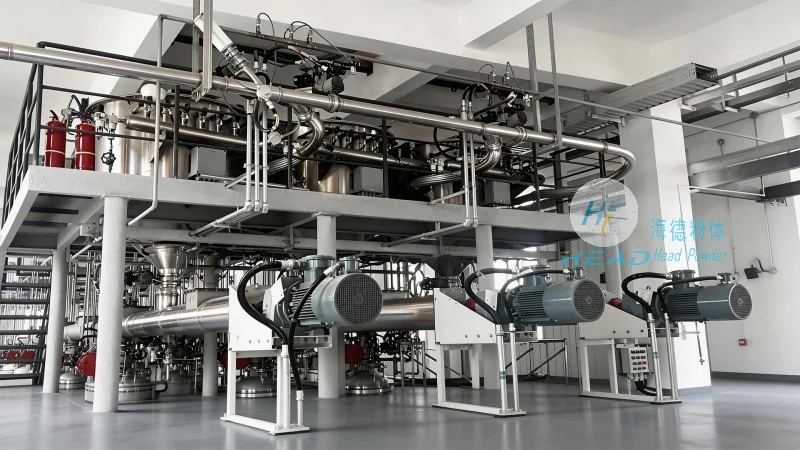
Core Principles of PTFE Pneumatic Conveying
The operation of PTFE pneumatic conveying lines is grounded in the principles of fluid dynamics and material physics. At its essence, the system involves the use of a pressurized air stream to propel bulk materials through a pipeline. The PTFE material, known for its exceptional chemical resistance, low friction, and thermal stability, serves as the primary construction material for the conveying line components, including the pipeline, valves, and fittings. This choice of material ensures that the system can handle a wide range of materials, from fine powders to granules, while maintaining durability and performance under harsh conditions.
Key operational principles include the generation of sufficient air velocity to overcome the gravitational and frictional forces acting on the material particles. The air flow is typically supplied by a blower or compressor, creating a pressure differential that drives the material along the pipeline. The design of the conveying line, including the pipe diameter, length, and inclination, is critical in determining the system's efficiency and capacity. Properly engineered PTFE pneumatic conveying lines can achieve high material throughput with minimal energy consumption, making them an attractive option for industries focused on operational efficiency and cost-effectiveness.
Working Scene Characteristics and Applications
PTFE pneumatic conveying lines are deployed in diverse industrial settings, each with unique requirements that the system addresses effectively. One common application is in the pharmaceutical and food processing industries, where hygiene and contamination control are paramount. The PTFE material's non-stick properties and resistance to chemicals make it ideal for handling sensitive materials such as powders, granules, and fine particles, ensuring that the product remains free from contamination during transport.
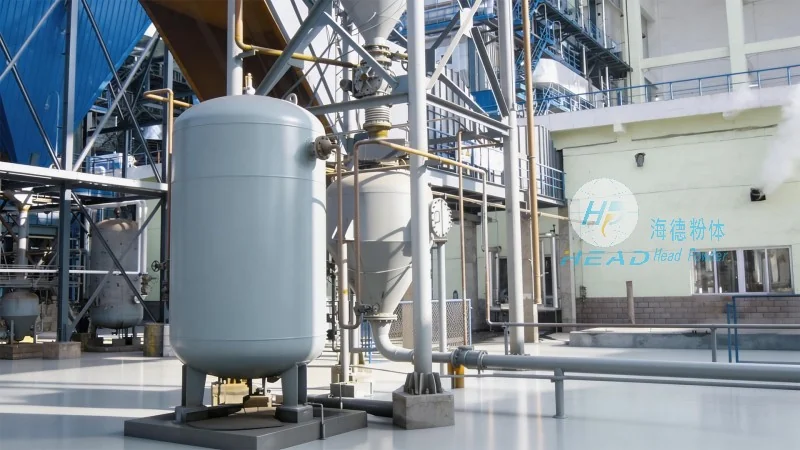
In the chemical and petrochemical sectors, PTFE pneumatic conveying lines are used to transport reactive or corrosive materials. The material's chemical inertness allows it to withstand exposure to aggressive substances, preventing degradation or reaction with the conveyed material. This makes the system suitable for processes involving hazardous or high-value chemicals, where reliability and safety are critical.
Another significant application is in the mining and mineral processing industry. Here, PTFE pneumatic conveying lines are employed to transport bulk minerals, ores, and fine powders from processing plants to storage or further processing facilities. The system's ability to handle abrasive materials and its resistance to wear and tear make it a durable solution for heavy-duty industrial use. Additionally, the system's compact design and ability to navigate complex layouts make it suitable for mining operations with limited space or challenging terrain.
In the manufacturing and processing of plastics and polymers, PTFE pneumatic conveying lines are used to transport raw materials and finished products. The system's ability to handle fine powders and granules, combined with its low friction properties, reduces material degradation and ensures consistent quality in the final product. This is particularly important in applications where material consistency is critical, such as in the production of high-performance plastics.
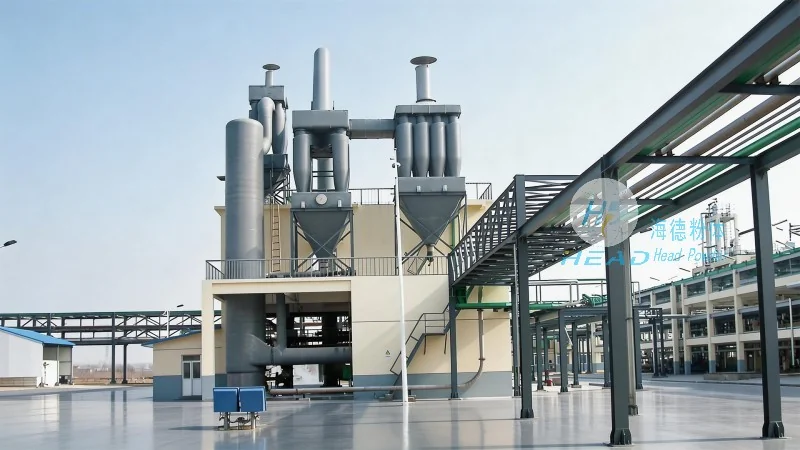
Advantages and Considerations in PTFE Pneumatic Conveying
PTFE pneumatic conveying lines offer several advantages that make them a preferred choice for many industries. The primary benefit is the non-contact transport of materials, which eliminates the risk of contamination and reduces the need for cleaning and maintenance. The system also allows for flexible and modular design, enabling easy integration with existing production lines and future expansion. Additionally, PTFE's low friction coefficient reduces energy consumption and extends the lifespan of the conveying line components.
However, the implementation of PTFE pneumatic conveying lines requires careful consideration of several factors. The system's performance is highly dependent on the material properties of the conveyed substance, including particle size, density, and moisture content. Proper system design and sizing are essential to ensure optimal operation and prevent issues such as blockages or excessive energy consumption. Furthermore, the initial investment cost of PTFE pneumatic conveying lines may be higher compared to traditional mechanical conveying systems, although the long-term operational benefits often justify the expense.
Conclusion
PTFE pneumatic conveying lines represent a reliable and efficient solution for material handling in various industrial applications. By leveraging the unique properties of PTFE and the principles of pneumatic transport, these systems offer advantages such as non-contact material movement, reduced contamination risk, and flexible design. The working scene characteristics and applications of PTFE pneumatic conveying lines span multiple industries, from pharmaceuticals and chemicals to mining and manufacturing. As industries continue to prioritize operational efficiency, hygiene, and sustainability, PTFE pneumatic conveying lines are likely to remain a key component in modern material handling infrastructure. With proper design and maintenance, these systems can provide long-term value and support the smooth operation of industrial processes.