News
Rich project cases across industries, showing real implementation and proven technical strength.In the modern agricultural processing industry, the efficient handling of soybeans from storage to production lines remains a critical operational challenge. Soybeans, owing to their unique physical properties—such as a bulk density typically ranging from 720 to 770 kg/m³, a moisture content that can vary between 10% and 14%, and a fragile seed coat—demand a conveying method that balances throughput with product integrity. Pneumatic conveying has emerged as a preferred solution for soybean handling across facilities ranging from small oilseed crushing plants to large-scale protein concentrate and feed mills. Unlike mechanical conveyors, pneumatic systems utilize air flow to transport soybeans through enclosed pipelines, offering distinct advantages in terms of sanitation, layout flexibility, and reduced mechanical wear. According to industry estimates, the global pneumatic conveying market for grain and oilseed applications is projected to grow at a compound annual growth rate of approximately 5.3% through 2026, driven by the increasing need for automation, dust-explosion safety, and contamination control in food-grade processing environments. This article provides an in-depth technical overview of pneumatic conveying for soybeans, covering system principles, component selection, performance parameters, and practical implementation considerations—helping plant engineers and decision-makers evaluate the suitability of this technology for their operations.
Pneumatic conveying operates on the principle of moving particulate solids within a gas stream, typically air, at controlled velocities. For soybeans, two primary modes are employed: dilute-phase conveying and dense-phase conveying. In dilute-phase systems, soybeans are suspended in a high-velocity air stream (usually 20–30 m/s at the pick-up point), with a low solids-to-air ratio—generally less than 15 kg of product per kg of air. This method is suitable for short to medium distances (up to approximately 150 meters) and is common in applications requiring multiple discharge points or when aggressive cleaning of the pipeline is needed. Conversely, dense-phase conveying operates at lower air velocities (typically 5–12 m/s) with higher product concentrations (solids-to-air ratios exceeding 20:1). This regime pushes soybeans through the pipeline in plugs or slugs, significantly reducing particle degradation and energy consumption. Data from industry trials indicate that dense-phase conveying can reduce soybean breakage by 60–75% compared to dilute-phase counterparts, making it the preferred choice for seed-quality preservation and high-value end products such as tofu or edible oil. The selection between these two modes hinges on factors such as conveying distance, required capacity, available air supply pressure, and the fragility tolerance of the soybean variety.
A well-designed pneumatic conveying system for soybeans integrates several core components, each contributing to the overall efficiency and reliability of material transfer. The primary elements include:
When engineering a soybean pneumatic conveying system, several technical parameters must be evaluated to ensure reliable, cost-effective operation. The most influential factors include:
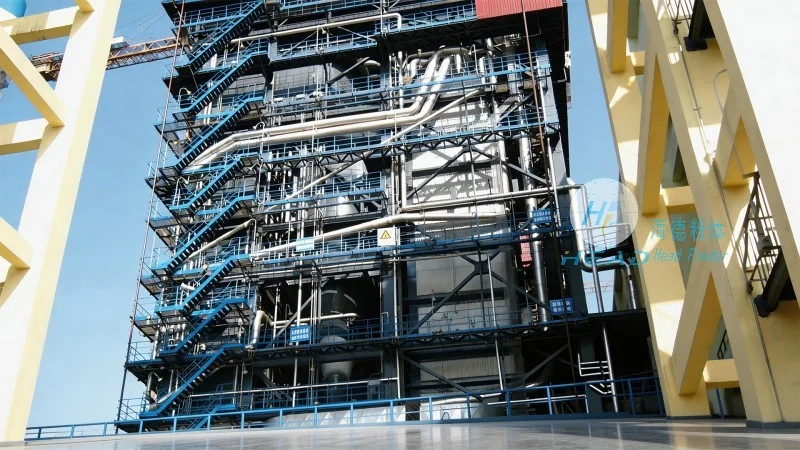
The soybean processing industry is undergoing transformative changes that directly influence conveying technology adoption. By 2026, global soybean processing capacity is expected to exceed 360 million metric tonnes annually, driven by rising demand for plant-based protein and biodiesel feedstocks. This growth necessitates higher throughput, stricter sanitation protocols (especially in human consumption applications), and compliance with evolving safety regulations such as ATEX and NFPA 61 for combustible dusts. Pneumatic conveying systems are increasingly integrated with centralized vacuum networks in multi-building campuses, allowing a single blower station to serve multiple processing lines. Additionally, the trend toward modular, skid-mounted systems reduces installation time by up to 40% compared to field-erected alternatives. Industry reports from 2023 indicate that facilities incorporating intelligent pressure monitoring and automated purge cycles have experienced a 32% reduction in maintenance costs. For soybean handlers targeting export markets, pneumatic systems also facilitate easier integration with fumigation and cleaning stations, as the enclosed pipeline minimizes cross-contamination with other commodities. These developments highlight the need for suppliers who combine technical expertise with practical field experience—a capability exemplified by manufacturers like headpowder, which has delivered over 120 pneumatic conveying installations for soybean and oilseed applications across Asia, Europe, and the Americas since 2018.
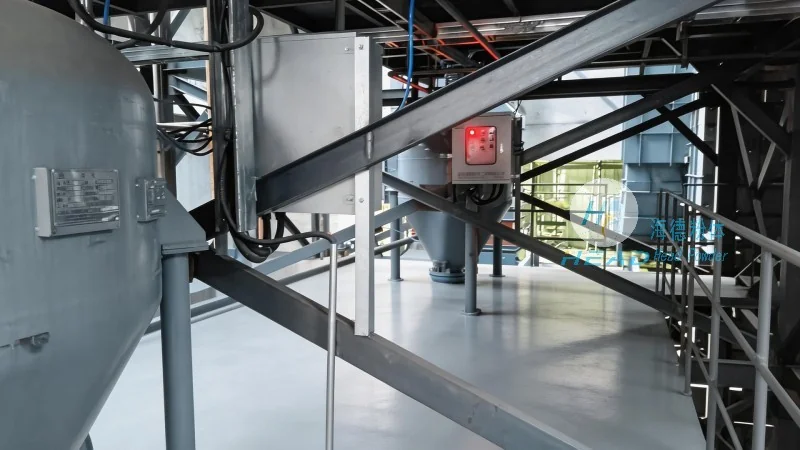
Selecting the optimal pneumatic conveying configuration for soybeans requires a systematic evaluation of site-specific conditions. Begin by conducting a complete inventory of material properties: particle size distribution (typical soybeans range from 4–7 mm in diameter), angle of repose (25–30 degrees for whole beans), and cohesive strength under varying humidity levels. A common pitfall is underestimating the impact of fines—broken hulls and dust—which can accumulate in pipeline bends and cause blockages. Installing intermediate air injection points at every 20–30 meters of horizontal pipe can mitigate this issue. Another frequent challenge is pipeline wear, particularly at bends where soybean impact can erode carbon steel at rates of 0.5–1.5 mm per year depending on velocity. Installing ceramic-lined or replaceable wear-back bends extends service life by at least threefold. System monitoring parameters to track include pressure gradient (should remain below 0.5 kPa/m for stable flow), product temperature rise (keep below 5°C to avoid quality loss), and air filter pressure drop (replace filters when differential exceeds 2.5 kPa). Regular inspection of rotary airlock rotor tips for wear—typically checking clearances every 500 operating hours—prevents air bypass that reduces conveying efficiency by as much as 15%. For customers seeking a complete turnkey solution, headpowder offers a comprehensive service package including on-site material testing, computational fluid dynamics (CFD) simulation of pipeline flow, and 24-month performance guarantees backed by their dedicated engineering team. (咨询热线:156-6277-7102)
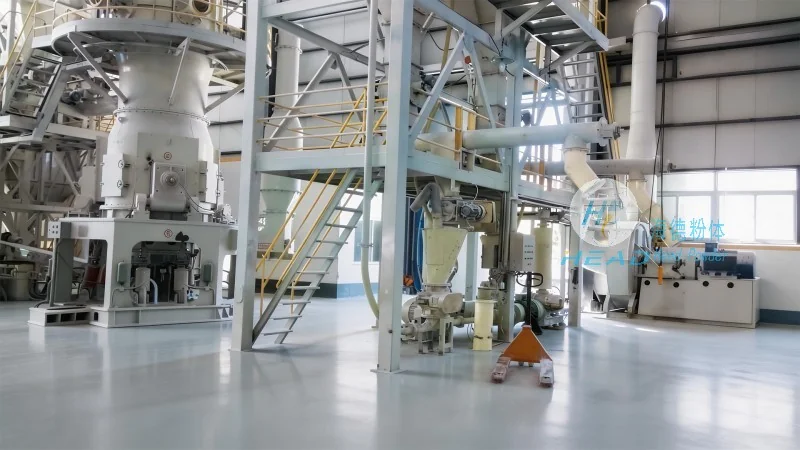
Successful deployment of a pneumatic soybean conveying system demands rigorous attention to detail throughout the project lifecycle—from conceptual design through commissioning. An experienced partner brings value not only through equipment quality but also through process optimization that accounts for the unique flow characteristics of different soybean varieties and seasonal moisture variations. During the design phase, it is advisable to request a pilot-scale demonstration using actual product samples. This allows verification of breakage levels, capacity curves, and energy consumption under realistic conditions. Industry best practice recommends maintaining a safety margin of 15–20% on air volume to accommodate future capacity expansions or material changes. After installation, performance validation should include a 72-hour continuous run covering maximum, minimum, and fluctuating load conditions. Data collected during this period—such as pressure fluctuations, temperature profiles, and particle size analysis—provides a baseline for ongoing condition-based maintenance. Facilities that adopt this systematic approach typically achieve first-year uptime above 97% and a return on investment within 18–24 months, based on reduced labor costs, lower product loss, and decreased mechanical maintenance. As the industry moves toward smarter, more sustainable operations, pneumatic conveying will continue to play an essential role in soybean logistics, and choosing a knowledgeable technology provider can make the difference between a system that merely meets specifications and one that delivers lasting competitive advantage. For detailed technical consultation and custom system proposals tailored to your soybean handling needs, the engineering specialists at headpowder are available to discuss your project requirements. (咨询热线:156-6277-7102)

 Shandong headpowder Engineering Co., Ltd.
 156-6277-7102(Manager Zhang)
  0531-83386006
  Jinan City, Shandong Province, China
服务热线
微信咨询
回到顶部