Understanding Pneumatic Conveying for Flour: A Comprehensive System Guide
Flour is a challenging bulk material to handle. Its fine particle size, low density, hygroscopic nature, and potential for dust explosions demand a carefully engineered conveying solution. Pneumatic conveying has emerged as the dominant method for moving flour safely and efficiently across processing facilities, from mills to bakeries and industrial food plants. In this guide, we examine the core principles, system configurations, component selection, and operational best practices that define a modern flour pneumatic conveying system. With the global flour processing market projected to exceed $280 billion by 2026, the need for reliable, hygienic, and energy-efficient conveying technology has never been more critical. By understanding the technical nuances of dilute phase, dense phase, and pressure versus vacuum systems, operators can make informed decisions that reduce downtime, minimize product degradation, and ensure regulatory compliance. This article serves as a comprehensive reference for engineers, plant managers, and procurement professionals seeking a deep, actionable understanding of flour pneumatic conveying.
Why Pneumatic Conveying Is the Standard for Flour Handling
Traditional mechanical conveyors, such as screw conveyors or bucket elevators, often struggle with flour because of its tendency to pack, bridge, and create airborne dust. Pneumatic conveying offers distinct advantages that address these challenges. First, it provides complete enclosure, eliminating dust escape and protecting product integrity from external contaminants. Second, it enables flexible routing through horizontal, vertical, and angled pipelines, adapting to complex plant layouts without requiring extensive floor space. Third, pneumatic systems can be designed to operate at low velocities, reducing the risk of particle breakage and fines generation—a critical factor for maintaining flour quality and baking performance. Finally, the ability to integrate automated controls, including variable frequency drives and pressure sensors, allows precise adjustment of material flow, supporting consistent throughput even with fluctuating product characteristics. According to industry data from 2025, approximately 65% of new flour handling installations in North America and Europe adopt pneumatic conveying as the primary transport method, a number expected to rise to 75% by 2028 as stricter food safety regulations come into effect.
Types of Pneumatic Conveying Systems for Flour
Selecting the right pneumatic conveying system depends on flour properties, desired throughput, distance, and budget. Two primary configurations dominate the market: dilute phase and dense phase systems. Below we break down each type with specific operational parameters relevant to flour.
- Dilute Phase Pneumatic Conveying: In dilute phase, flour is suspended in a high-velocity airstream, typically between 20-35 m/s (4000-7000 ft/min). This method is ideal for short to medium distances (up to 100 m) and moderate capacities. It uses a positive displacement blower or a side-channel vacuum pump to generate the required air velocity. While dilute phase is simpler and less expensive to install, it can cause higher particle attrition and requires more filtration due to increased dust load. For standard wheat flour with a particle size of 50-150 microns, dilute phase is acceptable when distances remain under 50 m and throughput is below 10 t/h. Recent advances in wear-resistant pipeline materials, such as ceramic-lined bends, have extended the life of dilute phase systems operating on abrasive flour types.
- Dense Phase Pneumatic Conveying: Dense phase systems operate at lower air velocities (2-10 m/s) and convey flour in a "slug" or "plug" form, with material filling a significant portion of the pipeline cross-section. This method dramatically reduces product degradation and energy consumption—often 30-50% lower than dilute phase. It is well-suited for fragile flour blends, whole grain flours with higher oil content, or applications requiring long distances exceeding 150 m. Dense phase systems typically use a pressure vessel (blow tank) to push material through the line, and require more precise control of air pressure and pulse timing. For flour, the optimal design often employs a low-pressure (1-3 bar) dense phase system to maintain a gentle conveying action while preventing plugging in vertical risers.
- Pressure vs. Vacuum Systems: Both dilute and dense phase can be configured as positive pressure systems (with the blower pushing material from a source to a destination) or vacuum systems (with the blower creating suction to pull material). Positive pressure systems are more common for long-distance or high-capacity flour conveying, but they require airtight seals at feed points. Vacuum systems excel at multiple pick-up points from different silos or storage bins, and they simplify cleaning because the conveying line operates below atmospheric pressure, reducing the risk of flour leakage. Hybrid systems, combining pressure and vacuum in a single loop, are gaining popularity in large flour mills where flexibility and cleanliness are paramount.
Key Design Parameters for Flour Pneumatic Conveying
Designing a reliable flour pneumatic conveying system requires careful calculation of several interdependent variables. The following parameters are essential for ensuring consistent performance while avoiding common pitfalls such as line plugging, excessive wear, or product heating.
- Material Characteristics: Flour bulk density ranges from 0.4 to 0.7 g/cm³ (25 to 44 lb/ft³) depending on moisture content, protein level, and grind size. Angle of repose typically measures 40-50°, indicating moderate flowability. The particle size distribution is critical: flour with a high percentage of fines (below 30 microns) can cause static buildup and filter blinding. Moisture content above 14% significantly increases adhesion risks, requiring higher air velocities to prevent sticking. headpowder engineers always analyze a representative flour sample using a Malvern laser diffraction analyzer to obtain precise PSD data before recommending a system design.
- Conveying Distance and Elevation: Horizontal distances up to 200 m are common in large facilities, while vertical lifts of 30-50 m are routine. Every meter of vertical lift adds approximately 1.5-2.5 times the pressure drop of a horizontal meter, depending on the flour type. A reliable rule of thumb: for every 10 m of vertical rise, increase the system pressure or air velocity by 15-20% compared to a purely horizontal layout. Bends contribute additional resistance, especially when sharp 90° elbows are used. Long-radius bends (R/D ratio of 10:1 or greater) are recommended to minimize flour degradation and wear.
- Air-to-Material Ratio (Loading Ratio): This ratio, expressed as kg of flour per kg of air, influences energy use and system sizing. For dilute phase flour conveying, typical loading ratios range from 1:1 to 5:1. Dense phase systems can achieve ratios of 10:1 to 30:1. Higher ratios reduce air volume requirements but increase line wear and risk of blockages. Modern PLC-based control systems, like those integrated by headpowder, continuously monitor pressure differentials and adjust air injection to maintain an optimal loading ratio across varying feed rates.
- Temperature and Hygiene: Flour conveying often takes place in environments where ambient temperature can vary from -10°C to 45°C. Pneumatic systems must account for thermal expansion of pipes and condensation risks when warm, humid air contacts cooler flour. Food-grade stainless steel (304 or 316L) is the standard for interior surfaces in contact with flour, with internal welds ground smooth to prevent bacterial harborage. CIP (Clean-in-Place) nozzles should be integrated at strategic points, especially in systems handling whole wheat or rye flour with higher microbial loads.
Component Selection and System Architecture
A robust flour pneumatic conveying system comprises several critical components, each requiring careful specification to ensure long-term reliability. The following list outlines the core elements and best practices for selection.
- Blower or Compressor: For dilute phase, a positive displacement rotary lobe blower is standard, delivering oil-free air at pressures up to 1.5 bar. For dense phase, a screw compressor or high-pressure blower (up to 3 bar) may be necessary. headpowder recommends variable speed drive (VSD) blowers to match airflow to actual demand, achieving energy savings of 20-35% over fixed-speed units. Efficiency ratings should comply with ISO 1217 standards.
- Feeder/Injector: The method of introducing flour into the airstream is crucial. Rotary airlock valves are the most common choice for dilute phase, with rotor tip clearance of 0.15-0.3 mm to minimize air leakage while preventing flour leakage. For dense phase, blow tank systems with dome valves or pinch valves offer better reliability, especially for sticky or high-fat flours. The feeder must be sized to avoid "starving" or "flooding" the conveying line; typical fill rates range from 60-80% of the rotor pocket volume.
- Piping and Bends: Schedule 10 or Schedule 40 304 stainless steel pipe is sufficient for most flour applications, with wall thickness of 2-3 mm. Use flanged connections at regular intervals for easy disassembly and inspection. Bends should be long-radius (minimum R=10D) and preferably lined with ceramic tiles or polyurethane for abrasion resistance. In a 2025 case study, headpowder replaced standard carbon steel elbows with ceramic-lined bends in a flour mill, extending component life from 8 months to over 4 years.
- Filtration and Dust Collection: Every pneumatic system must have a primary filter (baghouse or cartridge) at the receiving point to separate flour from conveying air. Filter media should have a surface treatment to prevent blinding from fine flour dust. Reverse-pulse jet cleaning with timed intervals is essential. For systems handling organic or gluten-free flours, HEPA-rated final filters (MERV 16 or higher) are recommended to meet airborne particulate standards. The filter housing must be explosion-vented per NFPA 61 guidelines.
- Controls and Instrumentation: Modern systems employ PLCs with HMI touchscreens to monitor pressure, flow rate, product level, and air velocity. Pressure transmitters should be installed at the blower outlet and at intervals along the pipeline—every 30 m in dilute phase, every 15 m in dense phase. Velocity sensors using thermal dispersion technology help detect slow-moving slugs that could lead to blockages. headpowder offers a proprietary control algorithm that automatically adjusts blow tank venting and air injection to maintain stable plug flow in dense phase systems, reducing operator intervention by up to 60%.
Operational Best Practices and Common Challenges
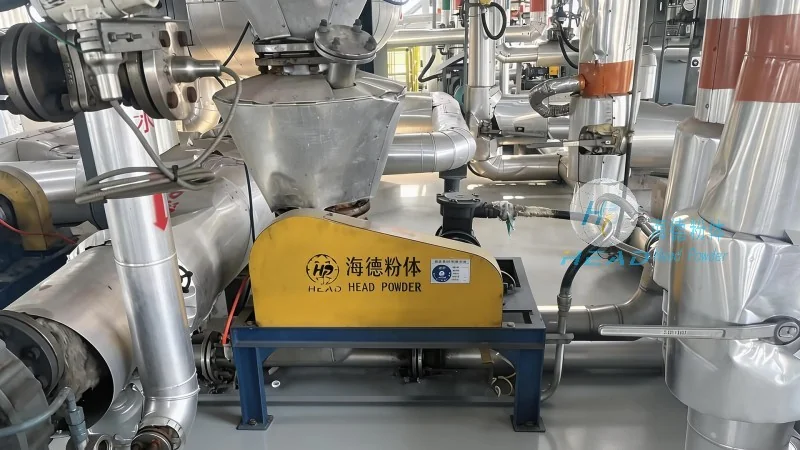
Even a well-designed flour pneumatic conveying system can experience issues if not operated correctly. The following guidelines help maintain peak performance and avoid costly downtime.
- Moisture Control: Flour absorbs moisture from ambient air, especially in humid climates. Install a compressed air dryer downstream of the blower to maintain relative humidity below 40% in the conveying air. For dense phase systems, pre-heating the air to 5-10°C above ambient can prevent condensation inside pipelines.
- Regular Cleaning and Inspection: Flour residues can accumulate at bends, diverter valves, and filter bags over time, promoting bacterial growth and insect infestation. Establish a cleaning schedule based on throughput—typically every 2000 operating hours for dilute phase, every 3000 hours for dense phase. Use a borescope to inspect internal pipe surfaces for wear or buildup. In 2024, headpowder deployed IoT-based vibration sensors on pneumatic lines in a large bakery, achieving a 40% reduction in unplanned cleaning events through predictive maintenance alerts.
- Explosion Prevention: Flour dust is highly explosive when suspended in air within the explosive range (50-100 g/m³ for wheat flour). All pneumatic conveying systems must comply with ATEX or NFPA 69 standards. This includes using certified electrical equipment, grounding all conductive components, installing explosion suppression systems, and incorporating passive isolation devices (e.g., rotary valves with a material seal, backdraft dampers). headpowder provides explosion risk assessments as part of every system commissioning, with documented compliance reports that auditors from BRCGS and SQF accept.
- Diagnosing Blockages: The most common cause of line plugging is a sudden change in flour moisture content or an incorrectly set air velocity. If a blockage occurs, do not simply increase air pressure, as this can compact the plug further. Instead, use a reverse air pulse or a mechanical plunger at the closest access port. Installing a network of pressure taps along the line allows operators to locate blockages within minutes. headpowder’s remote monitoring platform sends an automatic SMS alert when the pressure differential across any 20-meter segment exceeds a configurable threshold.
Industry Trends and Future Outlook for Flour Conveying (2026)
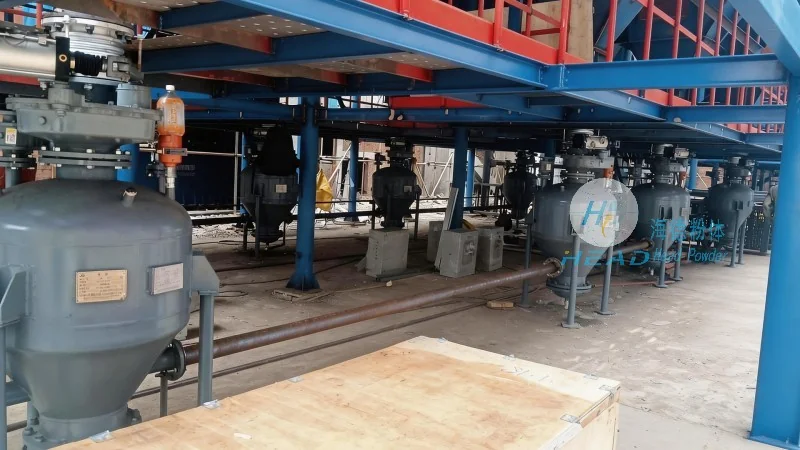
The flour processing industry is undergoing significant transformation driven by sustainability, digitalization, and evolving food safety standards. Three key trends are shaping pneumatic conveying technology for flour in 2026 and beyond.
- Energy Efficiency and Carbon Reduction: With global energy costs rising 15-20% annually in many regions, flour mills are demanding systems with lower specific energy consumption (kWh per ton conveyed). Modern dense phase systems can achieve as low as 2.5 kWh/t for short distances, compared to 5-8 kWh/t for traditional dilute phase. headpowder has developed a hybrid system that automatically shifts between dilute and dense phase based on real-time load, optimizing energy use across varying throughputs.
- Digital Twin and Predictive Maintenance: The adoption of digital twin technology allows plant engineers to simulate flour conveying performance before installing hardware. Machine learning models trained on historical pressure, velocity, and temperature data can predict component wear and filter blinding weeks in advance. By 2026, an estimated 30% of large flour mills will have implemented some form of digital twin for conveying systems, according to a report by Food Processing Automation Institute. headpowder now offers a cloud-based digital twin as an optional add-on to all new installations.
- Hygienic and Allergen-Safe Design: As gluten-free and allergen-free flour production grows, conveying systems must be designed for rapid product changeover without cross-contamination. This includes using smooth interior surfaces, CIP-capable components, and automatic purge sequences that clear residual material between batches. headpowder’s series of "CleanFlow" conveying systems features a modular design with quick-disconnect pipe sections and dedicated purge air units, reducing changeover time from 4 hours to under 45 minutes.
Conclusion: Building a Flour Conveying System That Delivers
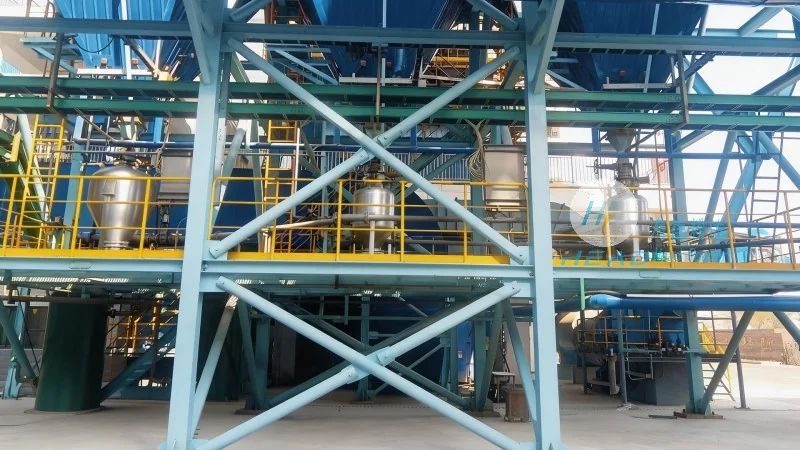
Selecting the right pneumatic conveying system for flour is a decision that directly impacts production efficiency, product quality, and operational safety. From understanding the fundamental differences between dilute and dense phase to specifying components with appropriate material grades and control sophistication, every detail matters. At headpowder, we combine decades of process engineering experience with cutting-edge pneumatic technology to deliver flour conveying solutions that are both reliable and future-ready. Whether your facility requires a simple in-plant transfer line or a complex multi-source, multi-destination network, the principles outlined in this guide provide a solid foundation for decision-making. By partnering with an experienced solution provider, you can avoid the common pitfalls of undersized blowers, inappropriate bend radii, or insufficient filtration—pitfalls that lead to costly downtime and compromised flour quality. As the industry moves toward greater automation and energy efficiency, the ability to adapt your conveying infrastructure becomes a competitive advantage. Trust a system built on data-driven design, rigorous testing, and proven performance headpowder (咨询热线:156-6277-7102) is committed to supporting your flour conveying needs with expertise that translates into measurable results. Invest in a system that moves your flour securely, gently, and cost-effectively—because in the world of bulk solids handling, the right conveying choice makes all the difference between a smooth operation and a constant headache.
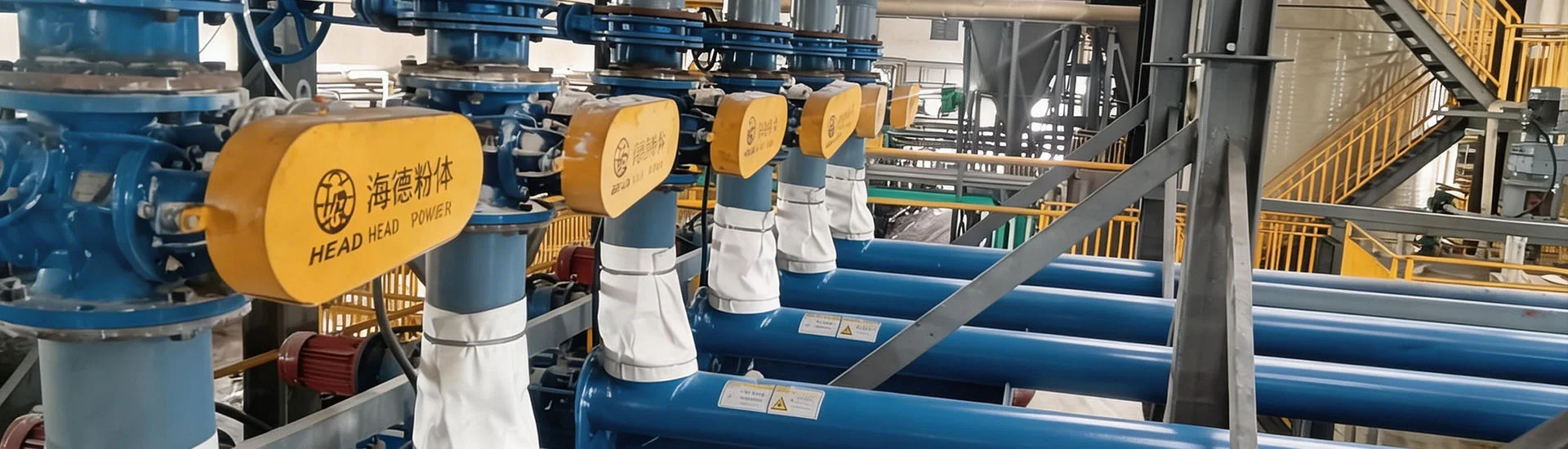

 Shandong headpowder Engineering Co., Ltd.
 156-6277-7102(Manager Zhang)
  0531-83386006
  Jinan City, Shandong Province, China