

Working Principle and Features of Ceramic Pneumatic Conveying System Equipment
For industrial applications requiring the safe and efficient transport of ceramic materials, the ceramic pneumatic conveying system has emerged as a critical solution. This equipment, developed by Shandong HeadPowder Engineering Co., Ltd., a leading manufacturer based in China, offers advanced technology tailored to the unique properties of ceramic powders and granules. Understanding the working principle and key features of such systems is essential for selecting the right equipment for specific industrial needs.
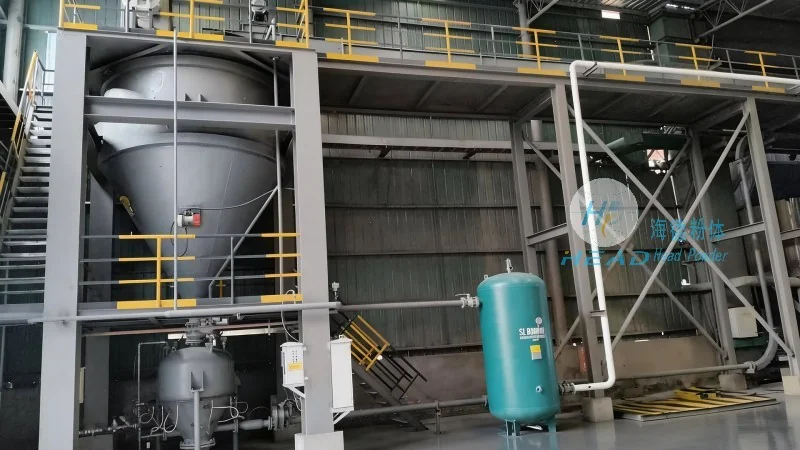
Introduction to Ceramic Pneumatic Conveying Systems
Ceramic pneumatic conveying systems are designed to transport dry, non-combustible materials like ceramic powders, ceramics, and other fine particles through a pipeline using compressed air. The system operates by creating a pressure differential that propels the material from the source to the destination. This method is widely preferred over traditional mechanical conveying due to its ability to handle fragile materials without causing damage, ensuring high product integrity throughout the process.
Working Principle of Ceramic Pneumatic Conveying Equipment
The core working principle of ceramic pneumatic conveying systems involves the use of a blower or compressor to generate a high-pressure air stream. This air stream is then directed into the conveying line, where it picks up the ceramic material from the hopper or feeder. The material is carried through the pipeline by the air flow, which can be either positive pressure (pressure conveying) or negative pressure (vacuum conveying), depending on the system design and application requirements. The system typically includes components such as a hopper, feeder, pipeline, and receiver, all working in tandem to ensure smooth material transport.
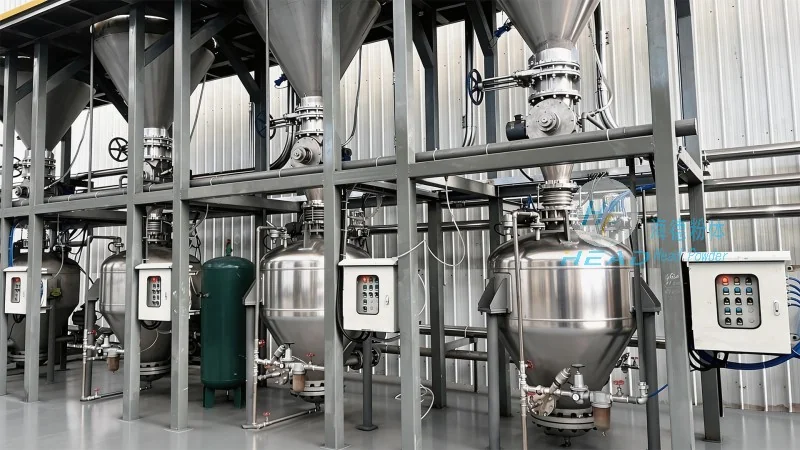
Key Features of Ceramic Pneumatic Conveying Systems
Shandong HeadPowder Engineering Co., Ltd. offers ceramic pneumatic conveying systems with several distinct features that enhance performance and reliability. One of the primary features is the ability to handle fragile ceramic materials without causing attrition or breakage. The system’s design minimizes particle impact and friction, preserving the material’s quality and reducing waste. Additionally, the equipment is equipped with advanced control systems that allow for precise flow regulation, ensuring consistent material delivery to downstream processes. The use of corrosion-resistant materials in the construction of the conveying lines and components further enhances durability, making the system suitable for long-term operation in demanding industrial environments.
Advantages of Using Ceramic Pneumatic Conveying Systems
Implementing a ceramic pneumatic conveying system provides several advantages for industrial operations. Firstly, it offers a dust-free and clean conveying process, which is crucial for maintaining product purity and compliance with environmental regulations. The system also eliminates the need for mechanical components like belts or chains, reducing maintenance costs and downtime. Furthermore, the ability to transport materials over long distances without the need for intermediate storage points improves overall process efficiency. The compact design of the system allows for easy integration into existing production lines, making it a versatile solution for various industrial applications.
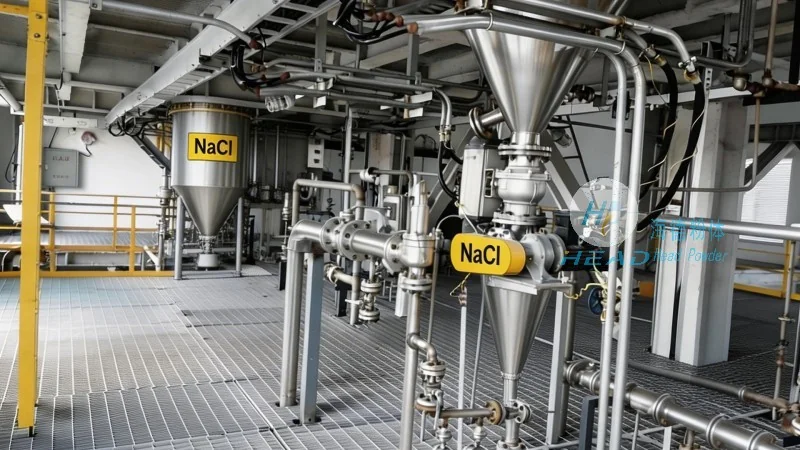
Applications and Industries Served
Ceramic pneumatic conveying systems are widely used across multiple industries that rely on ceramic materials. These include the ceramics manufacturing industry, where they are used to transport raw materials and finished products. The pharmaceutical industry also benefits from such systems, as they help maintain the sterility and purity of ceramic-based powders used in drug formulations. Additionally, the food processing industry utilizes ceramic pneumatic conveyors to transport food-grade ceramic components, ensuring hygiene and safety standards are met. The versatility of the system makes it suitable for a wide range of applications, from small-scale laboratory use to large-scale industrial production.
Conclusion and Company Overview
Shandong HeadPowder Engineering Co., Ltd. specializes in the design, manufacturing, and supply of high-quality ceramic pneumatic conveying systems. With a focus on innovation and customer satisfaction, the company has established itself as a trusted partner in the industry. The company’s commitment to using advanced technology and durable materials ensures that its products meet the highest standards of performance and reliability. By understanding the working principle and features of ceramic pneumatic conveying systems, industrial users can make informed decisions to enhance their material handling processes and improve overall operational efficiency.