

Working Principle and Features of Bulk Material Pneumatic Conveying System Equipment
Bulk material pneumatic conveying systems are essential in various industrial applications for transporting dry materials efficiently and safely. These systems utilize air as the medium to move powders, granules, and other bulk solids from one location to another. The equipment is designed to handle a wide range of materials, including chemicals, food products, and construction materials, ensuring reliable and consistent operation. As a leading manufacturer in the field, Shandong HeadPowder Engineering Co., Ltd. specializes in providing high-quality pneumatic conveying solutions tailored to meet diverse industrial needs.
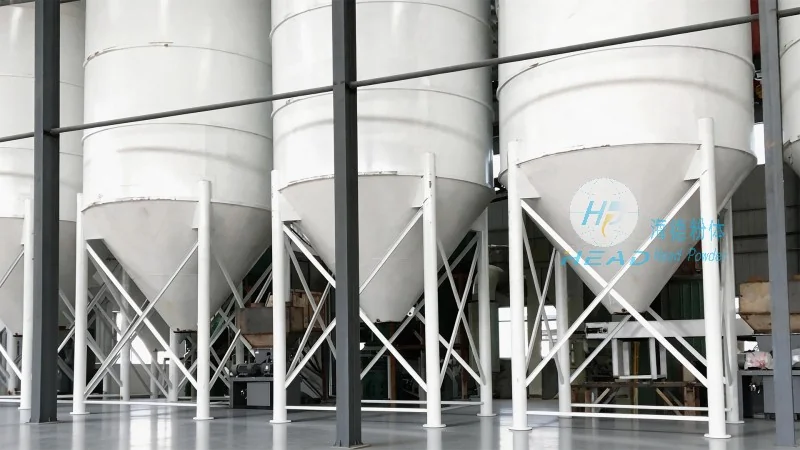
About Shandong HeadPowder Engineering Co., Ltd.
HeadPowder, the professional brand under Shandong HeadPowder Engineering Co., Ltd., is dedicated to innovation and excellence in the design and manufacturing of pneumatic conveying systems. With a strong commitment to quality and customer satisfaction, the company has established itself as a trusted partner for industries worldwide. HeadPowder's headquarters is located in Shandong, China, where advanced technology and rigorous quality control processes are implemented to ensure the highest standards of product performance and durability. The company's team of experienced engineers and technicians continuously researches and develops new solutions to address the evolving demands of the market.
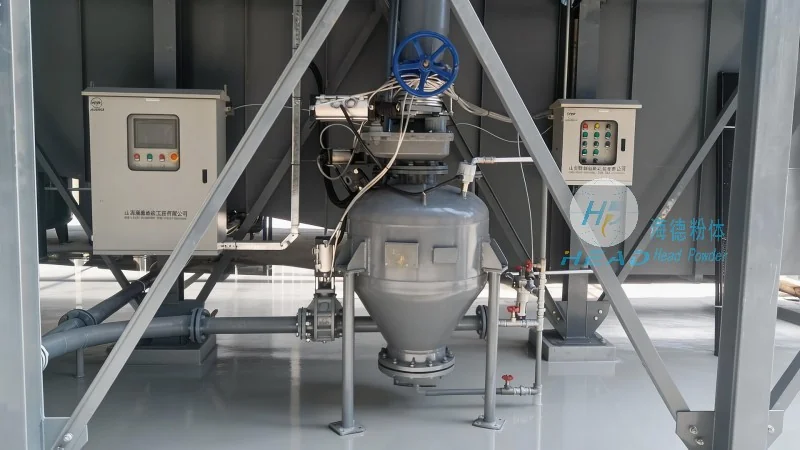
Working Principle of Bulk Material Pneumatic Conveying Systems
The core mechanism of a bulk material pneumatic conveying system involves the use of compressed air to create a flow that transports the material through a pipeline. The system typically consists of a material hopper, a feeder, a conveying line, and a receiver. The process begins with the material being fed into the hopper, where it is then introduced into the conveying line via the feeder. Compressed air is introduced into the system, creating a pressure differential that propels the material forward. The air and material mixture travels through the pipeline, with the air acting as the carrier medium. At the receiving end, the material is separated from the air, often through a cyclone separator or a filter, and collected in the receiver. This process allows for the efficient and continuous transportation of bulk materials over long distances and varying elevations.
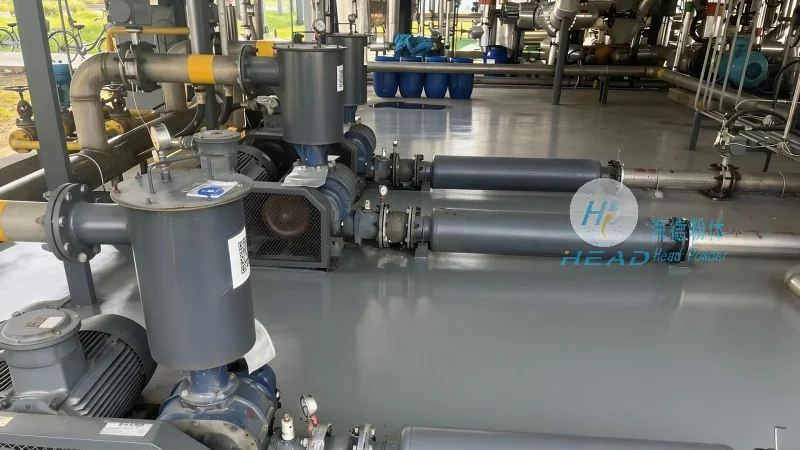
Key Features of Pneumatic Conveying Equipment
HeadPowder's pneumatic conveying systems are equipped with several advanced features that enhance performance and reliability. One of the primary features is the ability to handle a wide variety of materials, including abrasive and corrosive substances, without causing damage to the equipment. The systems are designed with robust construction to withstand the rigors of continuous operation, ensuring long service life. Another key feature is the adjustable conveying speed, which allows operators to control the flow rate of the material based on specific application requirements. The equipment also incorporates safety features, such as pressure relief valves and overcurrent protection, to prevent accidents and ensure safe operation. Additionally, the systems are equipped with monitoring and control systems that provide real-time data on system performance, enabling proactive maintenance and optimization.
Advantages of Using Pneumatic Conveying Systems
Implementing a bulk material pneumatic conveying system offers numerous advantages over traditional methods like belt conveyors or bucket elevators. One of the main benefits is the ability to transport materials in a closed system, which helps to prevent contamination and dust emissions, improving workplace safety and environmental compliance. The systems are also more flexible in terms of layout, as they can be installed in various configurations to suit the space constraints of a facility. Furthermore, pneumatic conveying systems are capable of handling materials with different particle sizes and densities, making them suitable for a wide range of applications. The continuous operation of these systems reduces labor costs and increases overall productivity compared to manual handling methods.
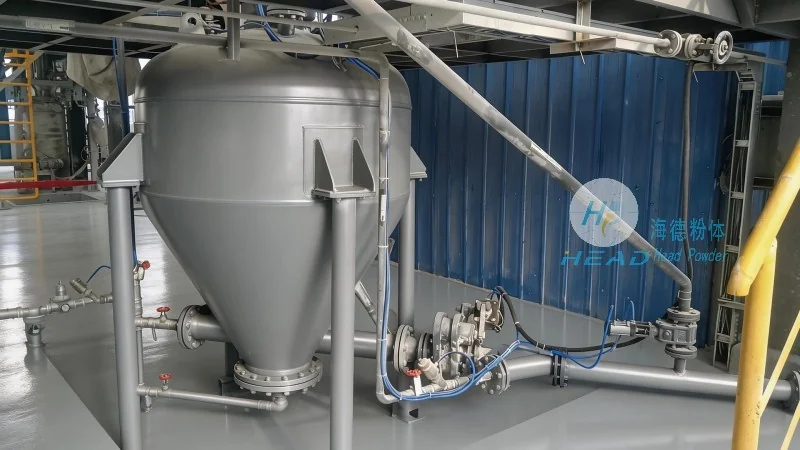
Applications and Industries Served
Bulk material pneumatic conveying systems are widely used across various industries, including chemical manufacturing, food processing, pharmaceuticals, and construction. In the chemical industry, these systems are used to transport raw materials and finished products, ensuring efficient production processes. The food and pharmaceutical sectors benefit from the hygienic design of the equipment, which prevents cross-contamination and maintains product quality. In construction, pneumatic conveying systems are utilized to transport cement, sand, and other building materials to different parts of a site. The versatility of the systems makes them an ideal choice for industries that require reliable and efficient material handling solutions.