

Working Principle and Features of Lantan Coal Pneumatic Conveying System Equipment
For industrial applications involving the transportation of lantan coal, understanding the working principle and key features of a pneumatic conveying system is crucial. This article provides an in-depth look at the technology, focusing on how such systems operate and their advantages in material handling.
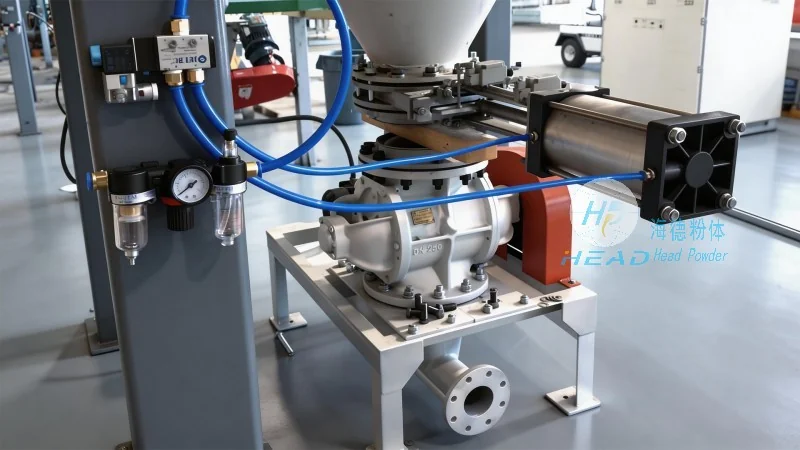
Introduction to Lantan Coal Pneumatic Conveying Systems
Lantan coal, a type of low-temperature carbonized coal, is widely used in various industrial processes. The efficient and reliable transport of this material from storage to processing units is essential for maintaining operational efficiency. Pneumatic conveying systems offer a solution that minimizes the need for manual handling and reduces the risk of dust exposure and material contamination.
Working Principle of the Pneumatic Conveying System
The core of a lantan coal pneumatic conveying system is the air flow mechanism that propels the coal particles through a pipeline. The system typically operates by creating a pressure differential between the inlet and outlet of the pipeline. A blower or compressor generates the necessary airflow, which is then directed into the conveying line. As the air moves through the pipe, it entrains the lantan coal particles, forming a dense phase or dilute phase flow depending on the system design. The pressure and velocity of the air determine the conveying capacity and distance the material can travel. The system may include components such as a hopper for material storage, a feeder to control the flow rate, and a receiver at the destination to collect the conveyed coal. The entire process is automated, ensuring consistent and continuous material transport.
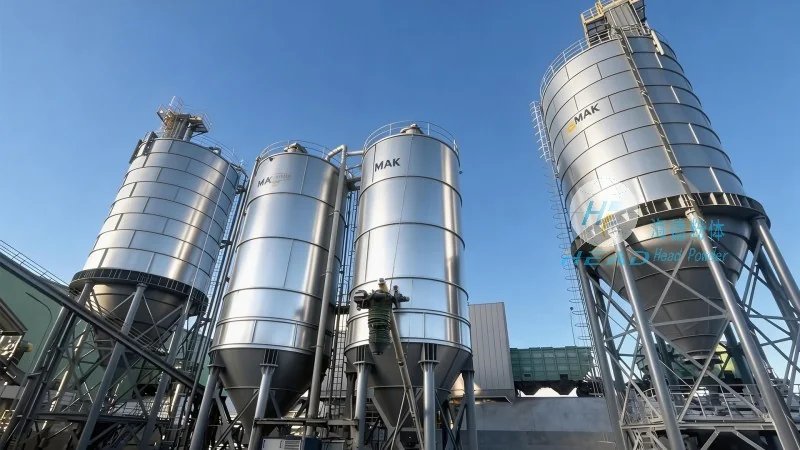
Key Features and Advantages of the System
Several notable features distinguish the lantan coal pneumatic conveying system from other material handling methods. First, it offers a closed-loop operation, which helps in controlling dust emissions and maintaining a clean working environment. This is particularly important for lantan coal, which can generate fine particles during handling. Second, the system provides high conveying efficiency, allowing for the transport of large quantities of material over significant distances with minimal energy consumption. The ability to handle abrasive materials like lantan coal without causing excessive wear to the system components is another key advantage. Additionally, the system is flexible in terms of layout, as the conveying lines can be installed in various configurations to suit the plant layout. This adaptability reduces installation costs and time. The automated nature of the system also minimizes human intervention, leading to improved safety and reduced labor costs. Furthermore, the system can be integrated with other industrial processes, such as dust collection and material processing, enhancing overall plant efficiency.
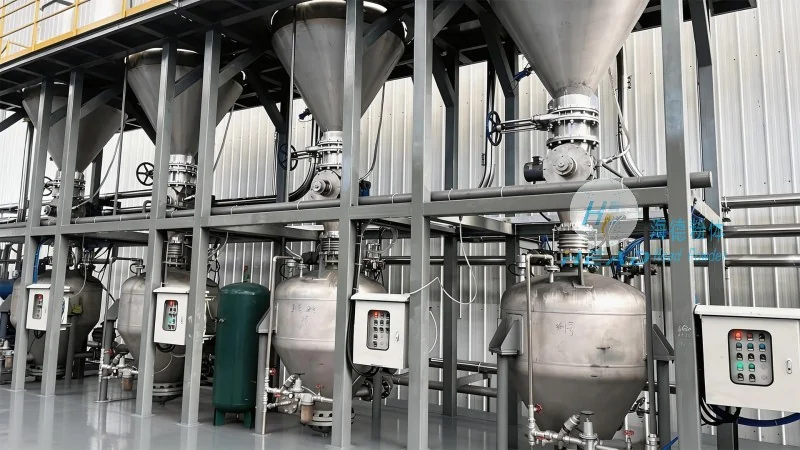
Technical Specifications and Components
The performance of a lantan coal pneumatic conveying system is determined by several technical specifications and the quality of its components. The blower or compressor must be capable of generating sufficient pressure and airflow to handle the specific characteristics of lantan coal, such as particle size, density, and moisture content. The pipeline material is typically made of corrosion-resistant materials like stainless steel or special alloys to withstand the abrasive nature of the coal. The hopper and feeder are designed to prevent material bridging and ensure a steady flow of coal into the conveying line. The receiver is equipped with a dust filter to capture any fine particles that may escape, ensuring compliance with environmental regulations. The system may also include monitoring and control systems to adjust the airflow and pressure in real-time, optimizing the conveying process. These components work together to ensure the system operates reliably and efficiently.
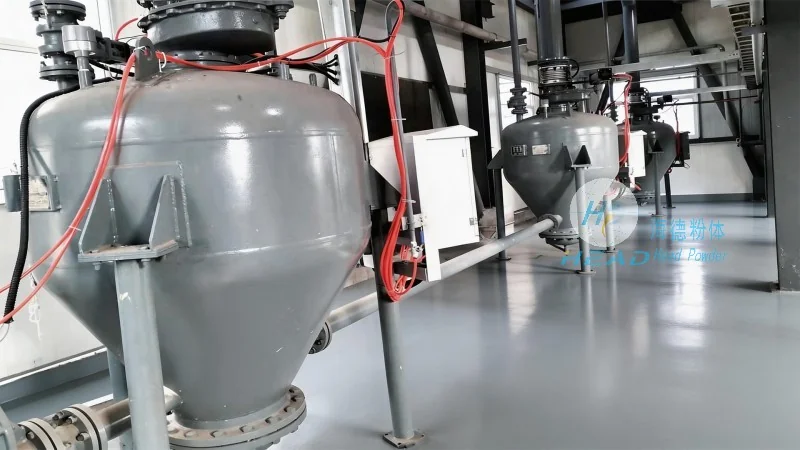
Applications and Industries
Lantan coal pneumatic conveying systems are widely used in industries that rely on the processing of low-temperature carbonized coal. These include power generation plants, where lantan coal is used as a fuel source, and chemical manufacturing facilities that utilize the coal in various production processes. The system's ability to handle large volumes of material and its closed-loop design make it ideal for these applications. In power plants, the system can transport lantan coal from storage silos to the boiler feed system, ensuring a continuous supply of fuel. In chemical plants, the system may be used to transport lantan coal to reactors or other processing units, where it is used as a raw material. The system's adaptability allows it to be integrated into existing plant infrastructure, reducing the need for major modifications.
Conclusion
In conclusion, the lantan coal pneumatic conveying system is a highly efficient and reliable solution for the transportation of low-temperature carbonized coal. Its working principle, based on air flow and pressure differential, enables the system to transport large quantities of material over long distances with minimal manual intervention. The key features, including closed-loop operation, high efficiency, and adaptability, make it a preferred choice for industrial applications. The technical specifications and components of the system are designed to handle the specific challenges of lantan coal, ensuring long-term performance and low maintenance costs. For companies in the coal and chemical industries, investing in such a system can lead to improved operational efficiency, reduced costs, and enhanced safety. As the demand for efficient material handling solutions continues to grow, the lantan coal pneumatic conveying system remains a valuable asset for modern industrial operations.