

Working Principle and Features of Yeast Pneumatic Conveying Equipment
Yeast is a crucial ingredient in the food and beverage industry, used in baking, brewing, and other fermentation processes. Efficient and hygienic handling of yeast is essential to maintain product quality and consistency. Pneumatic conveying systems offer a solution for transporting yeast from storage to processing areas, ensuring minimal contamination and loss. This article explores the working principle and key features of yeast pneumatic conveying equipment, highlighting how it meets the demands of modern industrial applications.
Working Principle of Yeast Pneumatic Conveying Systems
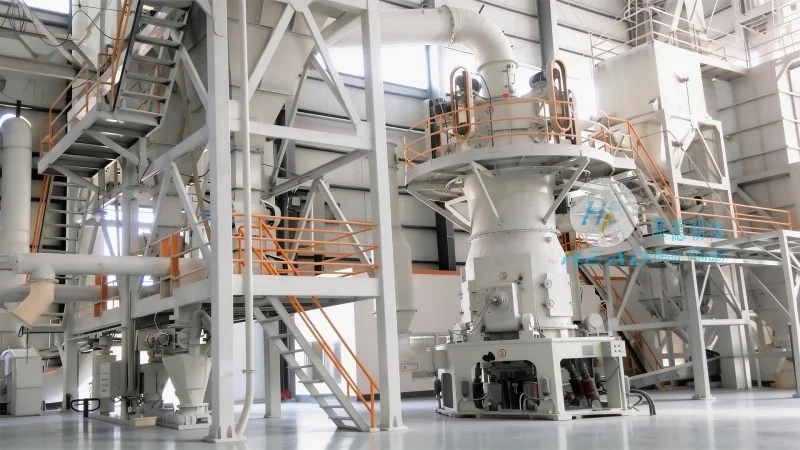
The core of a yeast pneumatic conveying system is the use of air pressure to move material through a pipeline. The process typically involves a hopper where yeast is stored, a feeder that controls the flow rate, and a conveying line where compressed air or vacuum pulls the yeast particles along. There are two main types of pneumatic conveying: pressure and vacuum systems. In pressure systems, air is forced into the line, pushing the yeast forward. Vacuum systems, on the other hand, create a negative pressure that draws the yeast into the line. For yeast, which is a fine powder, a pressure system is often preferred as it provides better control over particle movement and reduces the risk of clogging. The system includes components such as a rotary valve for feeding, a filter to prevent dust from entering the air system, and a silencer to reduce noise. The entire setup is designed to be compact and easy to integrate into existing production lines, ensuring smooth operation without disrupting workflow.
Key Features of Yeast Pneumatic Conveying Equipment
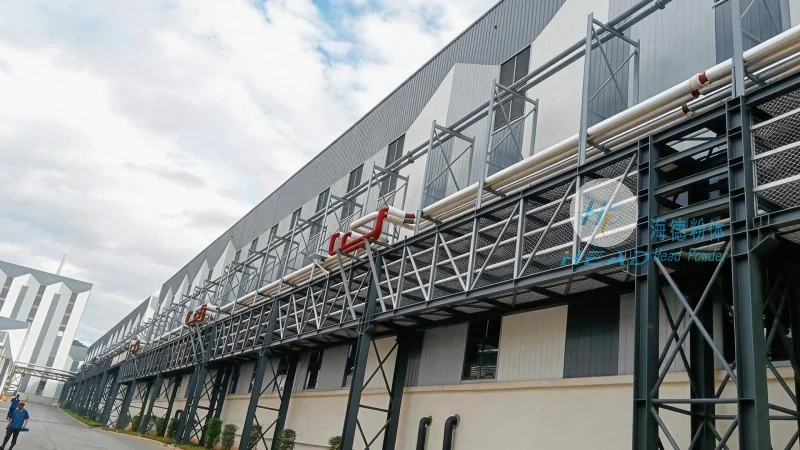
Yeast pneumatic conveying equipment is engineered with several features that make it ideal for handling this delicate ingredient. First, the equipment is constructed from stainless steel and food-grade materials, ensuring compliance with hygiene standards and preventing contamination. The design includes smooth surfaces and no dead zones, which are critical for cleaning and maintaining sanitary conditions. This is particularly important in industries where product safety is paramount, such as food and pharmaceuticals. Second, the system offers high efficiency in material transport. By using air to move yeast, the equipment can handle large volumes with minimal energy consumption compared to traditional methods like bucket elevators or belt conveyors. This not only reduces operational costs but also minimizes the risk of product degradation due to prolonged exposure to air. Third, the equipment is highly customizable. Manufacturers can adjust the conveying speed, pressure, and line length to suit specific production needs, whether it's moving yeast from a storage silo to a mixing tank or from a production line to a packaging area. This flexibility allows for seamless integration into various production workflows. Fourth, the system is low maintenance. The use of air as the conveying medium reduces wear and tear on mechanical parts, and the design minimizes the need for frequent cleaning or repairs. This results in lower downtime and higher overall productivity. Finally, the equipment is designed for safety. It includes features such as pressure relief valves to prevent over-pressurization and emergency shut-off mechanisms to stop the system in case of a malfunction. These safety measures ensure that the operation is reliable and secure for both operators and the product.
Application Examples in Yeast Handling
Yeast pneumatic conveying equipment is widely used in various applications within the food and beverage industry. For instance, in a bakery, the system can transport yeast from a bulk storage silo to the mixing area of a dough production line. The yeast is fed into the system at a controlled rate, mixed with flour and water, and then conveyed to the mixing machine. This ensures that the yeast is evenly distributed throughout the dough, leading to better fermentation and a more consistent final product. In the brewing industry, the equipment is used to move yeast from storage to the fermentation tanks. The yeast is conveyed under sterile conditions, preventing contamination and ensuring that the fermentation process proceeds as intended. This is crucial for maintaining the quality and flavor of the final beer product. Additionally, the system can be used in the production of yeast extracts, where the yeast is conveyed from the fermentation tank to a drying and packaging line. The efficiency of the pneumatic conveying system helps in reducing the time and energy required for this process, making it more cost-effective.
Conclusion and Company Information
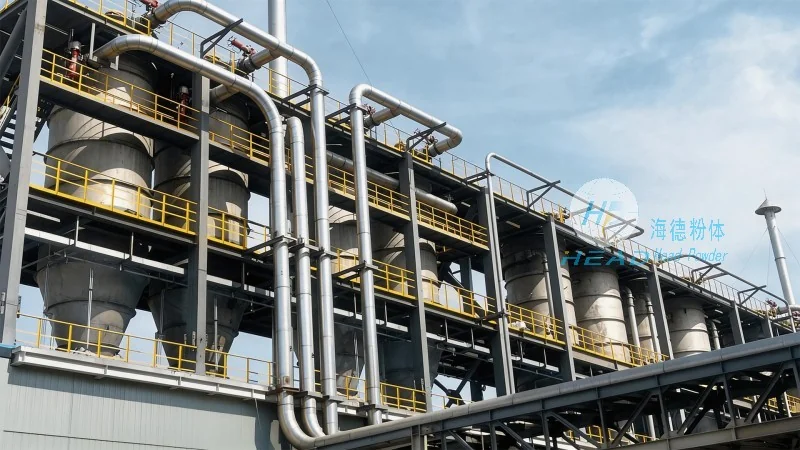
Yeast pneumatic conveying equipment is a vital component in modern industrial operations, offering an efficient, hygienic, and flexible solution for handling yeast. By understanding its working principle and key features, businesses can make informed decisions about integrating this technology into their production processes. As a leading manufacturer in this field, Shandong HeadPowder Engineering Co., Ltd. specializes in providing high-quality pneumatic conveying systems tailored to the specific needs of the food and beverage industry. With a focus on hygiene, efficiency, and customization, their equipment ensures that yeast is handled safely and effectively, contributing to the overall success of production operations. Based in Shandong, China, the company leverages advanced engineering and manufacturing capabilities to deliver reliable solutions that meet the demands of today's competitive market.