

Working Principle and Characteristics of Alumina Pneumatic Conveying
Alumina, a widely used industrial material, often requires efficient and reliable transportation methods for processing and distribution. Pneumatic conveying, a technology that utilizes air or gas to transport solid particles, has become a preferred solution for alumina handling due to its advantages in safety, hygiene, and operational flexibility. This article explores the working principle and key characteristics of alumina pneumatic conveying, providing insights into how this technology functions and its benefits in industrial applications.
Working Principle of Alumina Pneumatic Conveying
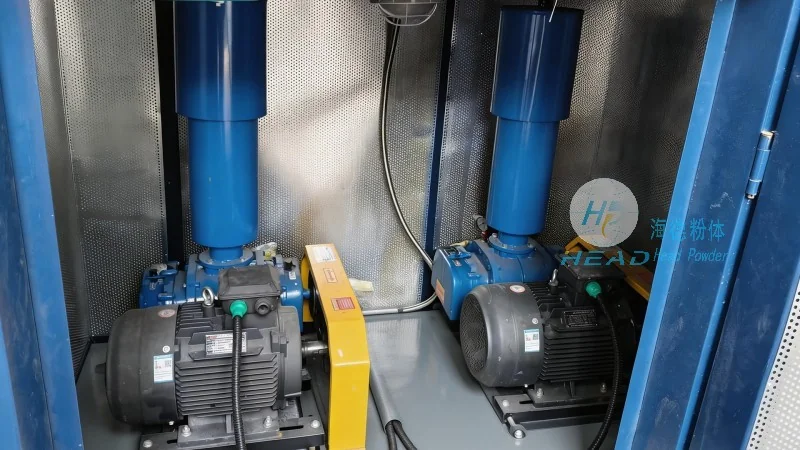
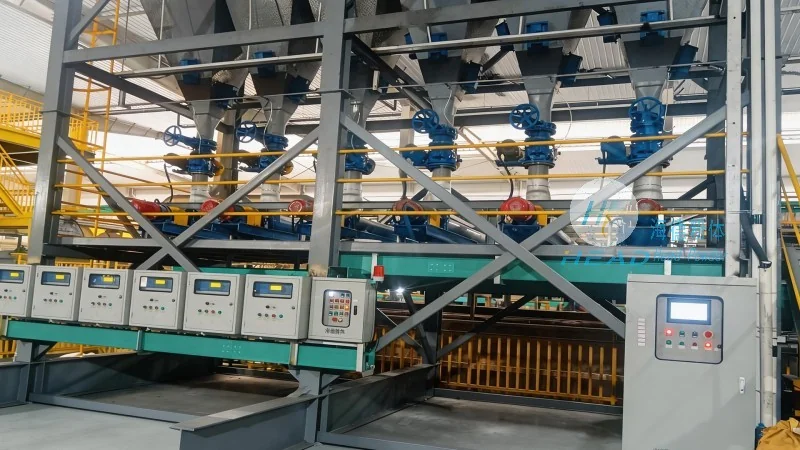
Pneumatic conveying systems for alumina operate by creating a flow of air or gas within a pipeline to transport the material. The process typically involves either suction (or vacuum) or pressure methods, each with distinct operational mechanisms. In suction systems, a vacuum is generated at the material loading point, drawing alumina particles into the pipeline and toward the discharge point. This method is ideal for applications where the material needs to be transported from multiple sources or over relatively short distances. Conversely, pressure systems use compressed air to push the alumina particles through the pipeline, which is suitable for longer distances or when the material must be discharged at a higher pressure. The core components of a pneumatic conveying system include a blower or compressor, a hopper for material storage, a feeder to control the flow rate, and a pipeline network. The feeder, often a rotary valve or a screw feeder, ensures a consistent and controlled feed of alumina into the system, preventing blockages and maintaining stable air flow. The blower or compressor provides the necessary pressure or vacuum to move the material, while the pipeline transports the alumina from the loading point to the discharge point. At the discharge end, a separator or cyclone may be used to separate the alumina from the air stream, allowing the material to be collected in a container or processing unit. The entire process is regulated by control systems that monitor pressure, flow rate, and material level, ensuring efficient and safe operation.
Key Characteristics of Alumina Pneumatic Conveying
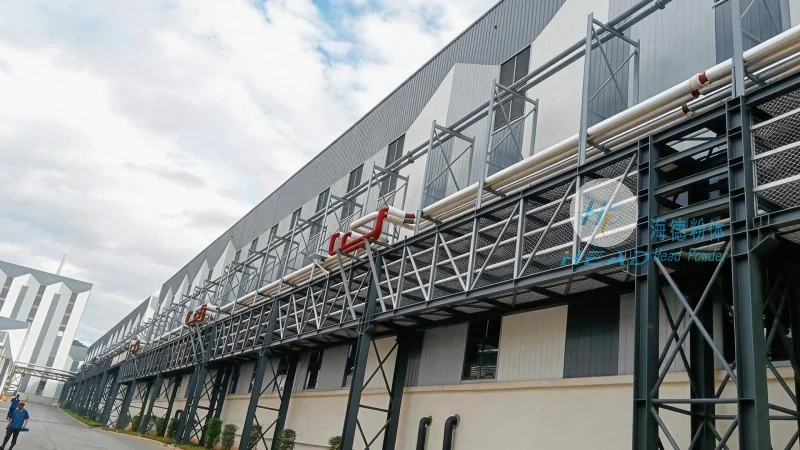
Alumina pneumatic conveying systems exhibit several notable characteristics that make them advantageous for industrial use. One of the primary benefits is the absence of mechanical contact between the material and system components. Since the alumina particles are transported by air rather than being pushed or pulled by mechanical parts, there is minimal risk of contamination or damage to the material. This is particularly important for high-purity alumina used in applications such as ceramics, refractories, and chemical manufacturing, where even trace contaminants can affect product quality. Additionally, pneumatic conveying is highly effective in maintaining material cleanliness and preventing cross-contamination, as the system is enclosed and the air can be filtered to remove dust or particles. The technology also offers flexibility in terms of system design and layout. Pneumatic conveying systems can be configured to handle various material types, including fine powders, granules, or even bulk solids, and can be adapted to different plant layouts, allowing for integration with existing processing equipment. Another key characteristic is the ability to handle alumina in a dust-free environment. Unlike mechanical conveying methods, which may generate significant dust and require additional dust control measures, pneumatic conveying keeps the material contained within the pipeline, reducing the risk of dust exposure and improving workplace safety. Furthermore, the systems are generally compact and can be installed in a variety of spaces, making them suitable for both new and retrofit applications. However, it is important to note that pneumatic conveying may have limitations in terms of material handling capacity and distance. For very long distances or large volumes of alumina, the system may require additional components such as pulse jets or larger compressors to maintain efficiency. Despite these considerations, the overall advantages of alumina pneumatic conveying, including its ability to maintain material integrity, ensure safety, and provide flexibility, make it a preferred choice for many industrial operations.
Applications and Benefits in Industrial Settings
Alumina pneumatic conveying is widely used in various industrial sectors due to its ability to handle the material efficiently and safely. In the ceramics industry, for example, alumina is used as a raw material for producing high-quality ceramic products, and pneumatic conveying ensures that the material is delivered to the production line without contamination or degradation. The technology is also employed in the refractory industry, where alumina is used to manufacture refractory bricks and other products that require high thermal stability. In chemical manufacturing, alumina is used as a catalyst or filler, and pneumatic conveying facilitates the transport of the material to reactors or processing units. The benefits of using pneumatic conveying in these applications include improved product quality, reduced downtime due to maintenance, and enhanced safety for operators. Additionally, the enclosed system reduces the risk of dust explosions, which is a critical safety consideration in many industrial environments. The flexibility of pneumatic conveying systems allows them to be integrated with existing production lines, minimizing the need for major infrastructure changes. This adaptability makes the technology cost-effective for both new installations and retrofit projects. Overall, the combination of efficiency, safety, and material integrity makes alumina pneumatic conveying a valuable solution for industries that rely on alumina as a key component.
Conclusion
In summary, alumina pneumatic conveying is a sophisticated and effective method for transporting alumina in industrial settings. The working principle, which relies on air or gas flow to move the material through a pipeline, ensures that the material is handled with minimal contact and maximum control. The key characteristics of this technology, including its ability to maintain material purity, ensure safety, and provide flexibility, make it an ideal choice for applications where high-quality alumina is required. Companies such as Shandong HeadPowder Engineering Co., Ltd., based in Shandong, China, specialize in designing and manufacturing pneumatic conveying systems tailored to the specific needs of alumina handling. By leveraging the advantages of pneumatic conveying, industries can improve their operational efficiency, reduce costs, and enhance product quality. As the demand for high-purity alumina continues to grow, the importance of reliable and efficient material transportation methods like pneumatic conveying will only increase, making it a critical component of modern industrial processes.